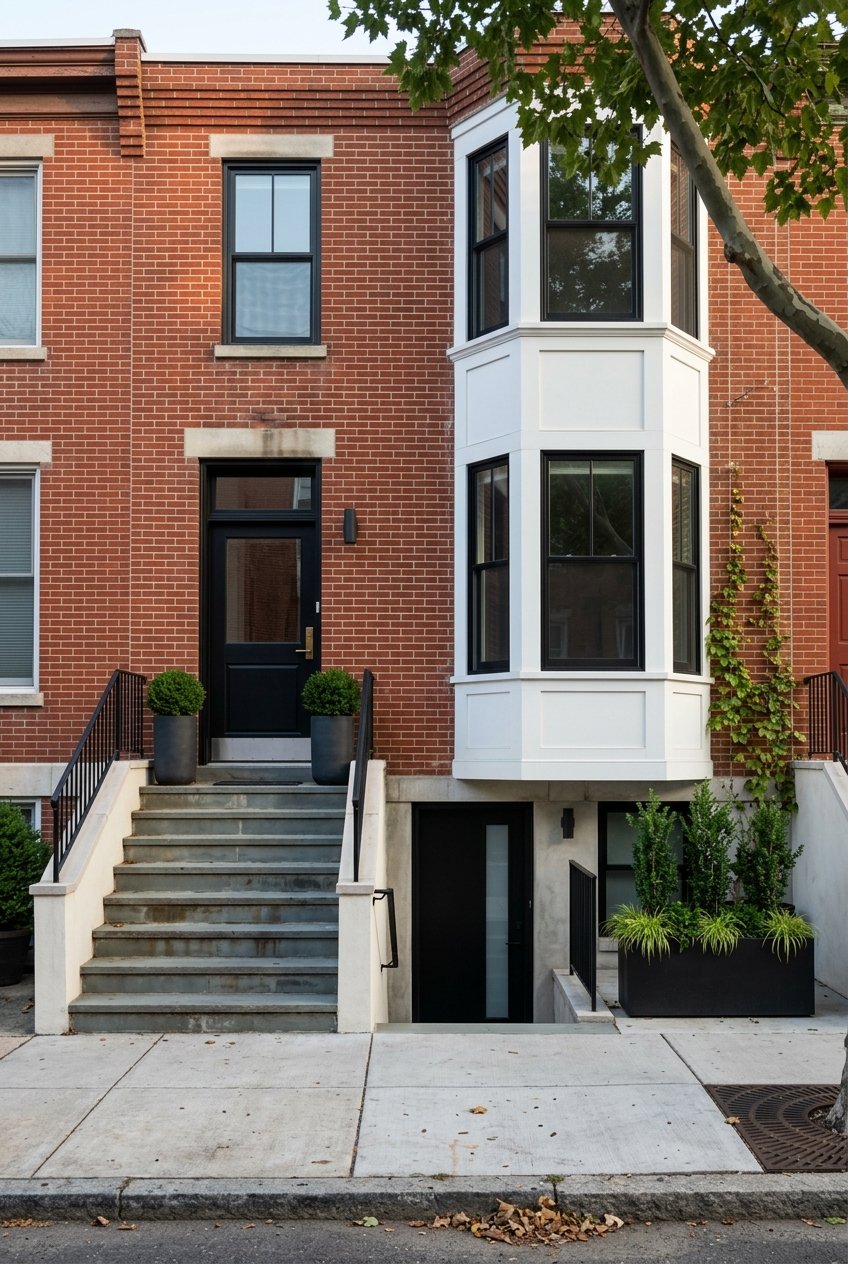
If you are looking at Graduate Hospital with an investor mindset, it helps to know this is not the kind of neighborhood where rough math and broad assumptions usually work. Prices, layout, legal use, and block-by-block differences can all shape whether a purchase feels smart five years from now. The good news is that with the right due diligence, you can evaluate the area more clearly and avoid common mistakes. Let’s dive in.
Why Graduate Hospital Gets Investor Attention
Graduate Hospital, also known as Southwest Center City, sits south of South Street and west of Broad Street. For many buyers, the draw starts with location and mobility. SEPTA highlights access to the Broad Street Line at Lombard-South along with bus routes 7, 12, and 40, which supports the neighborhood’s appeal for car-light living.
That convenience shows up in the housing conversation too. Current market snapshots place typical values broadly in the mid-$500,000s to mid-$600,000s, depending on the source and methodology. Zillow reported a home value index of $566,516 as of April 30, 2026, Redfin reported a median sale price of $654,257 for April 2026, and Realtor.com reported a median listing price of $662,000 with median rent around $2,076.
For an investor-minded buyer, that range matters. It suggests you are shopping in a mature urban market, not a distressed pocket where deep discounts are standard. In a neighborhood like this, the details of the asset often matter more than the neighborhood name alone.
What the Market Data Really Suggests
Graduate Hospital appears to offer a mix of lifestyle demand and relatively steady resale activity. Redfin described the neighborhood as somewhat competitive, with homes taking a median 56 days to sell and 71 homes sold in April 2026. Realtor.com called it a balanced market, with 131 homes for sale and 105 homes for rent.
If you think like an investor, that balance can be useful. It means you may not be chasing every property in a frenzy, but you also should not expect obvious mispricing on homes that are well located, well configured, and properly maintained. You are usually looking for an edge in the details, not in a broken market.
This is where local knowledge becomes important. Two rowhomes on nearby blocks can look similar on paper but perform differently based on condition, updates, legal layout, and how well they fit likely buyer or renter demand.
Rowhouse Basics Matter Here
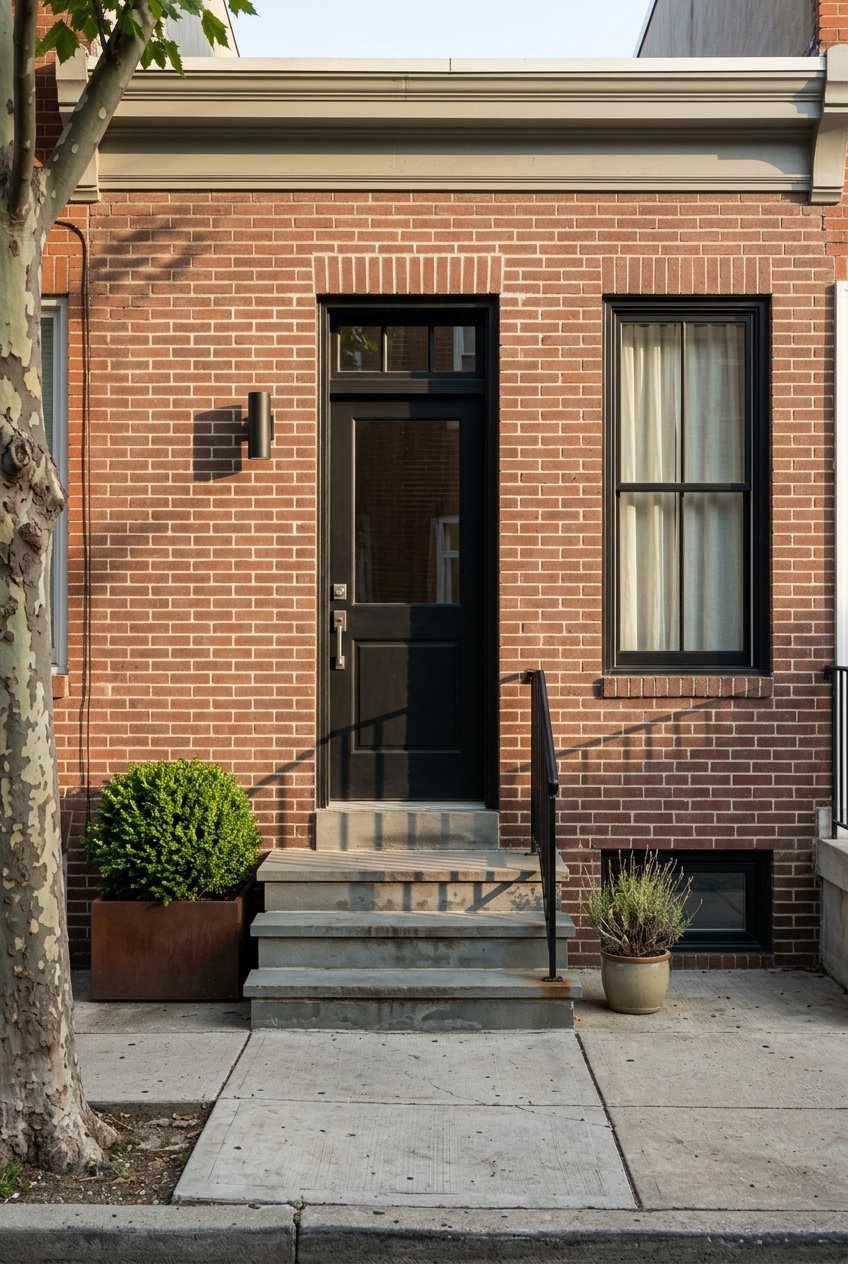
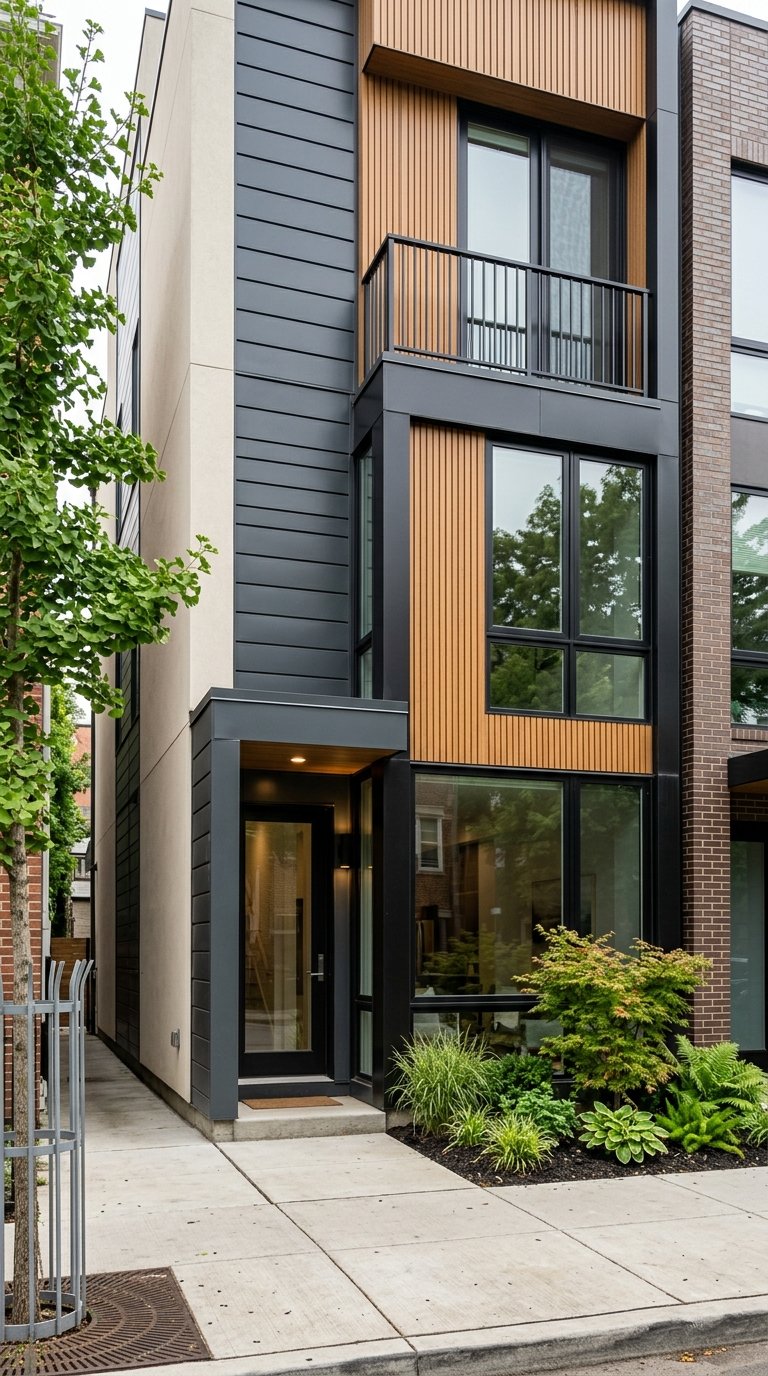
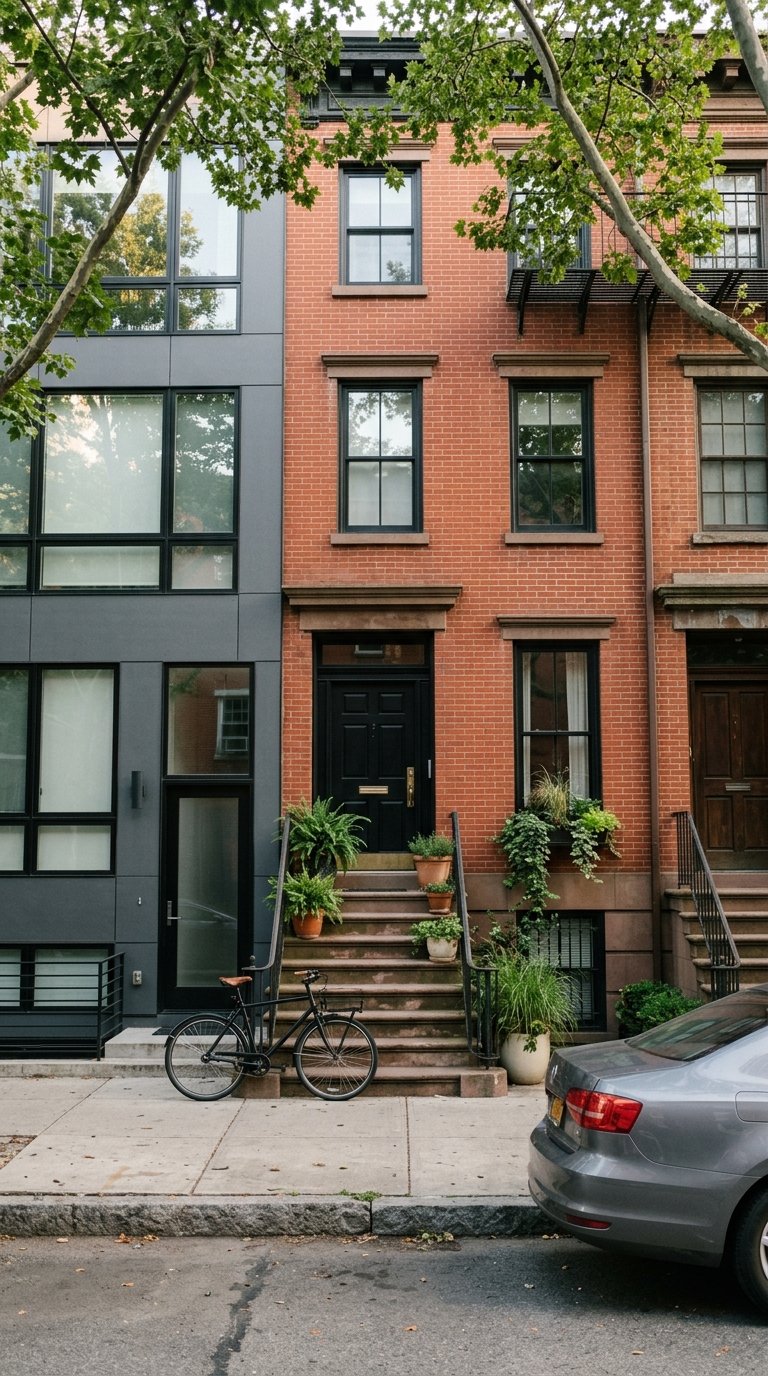
Philadelphia is a rowhouse city, and Graduate Hospital is a strong example of that. The City of Philadelphia’s Rowhouse Manual describes rowhouses as narrow, attached homes that can range from compact trinity houses to larger multi-story forms. That variety is part of the neighborhood’s appeal, but it also means one property can be very different from the next.
For investor-minded buyers, square footage alone does not tell the whole story. The Rowhouse Manual notes that many larger Philadelphia rowhouses have been subdivided into apartments or condominiums. So when you evaluate a property, you need to think beyond size and finishes and ask whether the layout legally supports your intended use.
That question matters whether you plan to live in the home, rent part of it, or hold it as a longer-term investment. A wide, updated rowhouse may look like a value-add opportunity, but the real opportunity depends on what is legally permitted and physically functional.
Focus on Legal Use, Not Just Potential
One of the biggest mistakes investor-minded buyers make is underwriting based on what a property could be, rather than what it legally is today. In Graduate Hospital, where older homes and conversions are common, that can create risk fast.
Before you buy, it is smart to confirm the current legal use as-is. If a property is already being rented, ask for proof of legal occupancy and documentation that supports the present configuration. If there was a rear addition, a deck, or a conversion, you should also verify whether that work was properly permitted.
This matters because rowhouses can be adaptable, but only when changes were done within city rules. A flexible layout can be a real asset. An unpermitted one can become an expensive problem.
Rental Rules You Need to Know
If your plan includes renting the property, Philadelphia has clear requirements. The city requires a Rental License to rent dwelling, rooming, or sleeping units. One license can cover all units in a single building, but separate condo units require separate licenses.
Before a new tenant moves in, the landlord must provide a Certificate of Rental Suitability. The city also requires compliance with lead-safety rules. Current guidance says that any property built before March 1978 must be certified lead-free or lead-safe in order to obtain a rental license.
Philadelphia also requires landlords to be current on city taxes and free of outstanding Licenses and Inspections violations. For a buyer, that means the due diligence process should include more than a standard home inspection. If rental income is part of your plan, city compliance should be part of your underwriting from the start.
Smart Due Diligence Questions to Ask
When you tour or analyze a property in Graduate Hospital, keep your questions practical and specific. A polished renovation can distract from bigger issues if you are not looking closely.
Ask questions like these before you move forward:
- Is the current use legal as it exists today?
- If the property is rented, is there proof of legal occupancy?
- Were additions, decks, or conversions properly permitted?
- Does the floor plan support your intended use without creating a zoning issue?
- If you plan exterior work, is the property on the Philadelphia Register of Historic Places?
These are not minor details. In a neighborhood with older housing stock and a lot of architectural variation, paperwork and layout can shape both your risk and your resale path.
Renovation Risk Can Be Very Specific
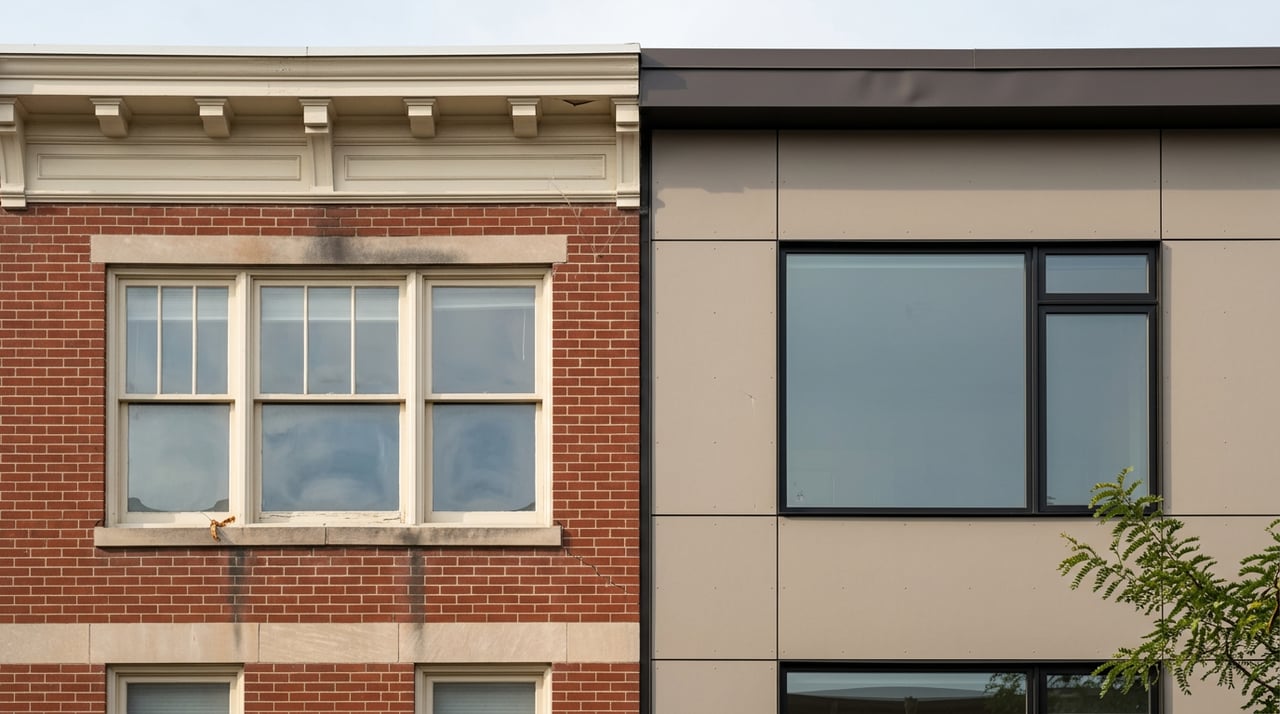
Graduate Hospital has a mix of residential, commercial, and medical-use buildings, along with a broad range of architectural styles. That diversity can support value, but it also means renovations are not always simple. What works on one block or one property type may not translate neatly to another.
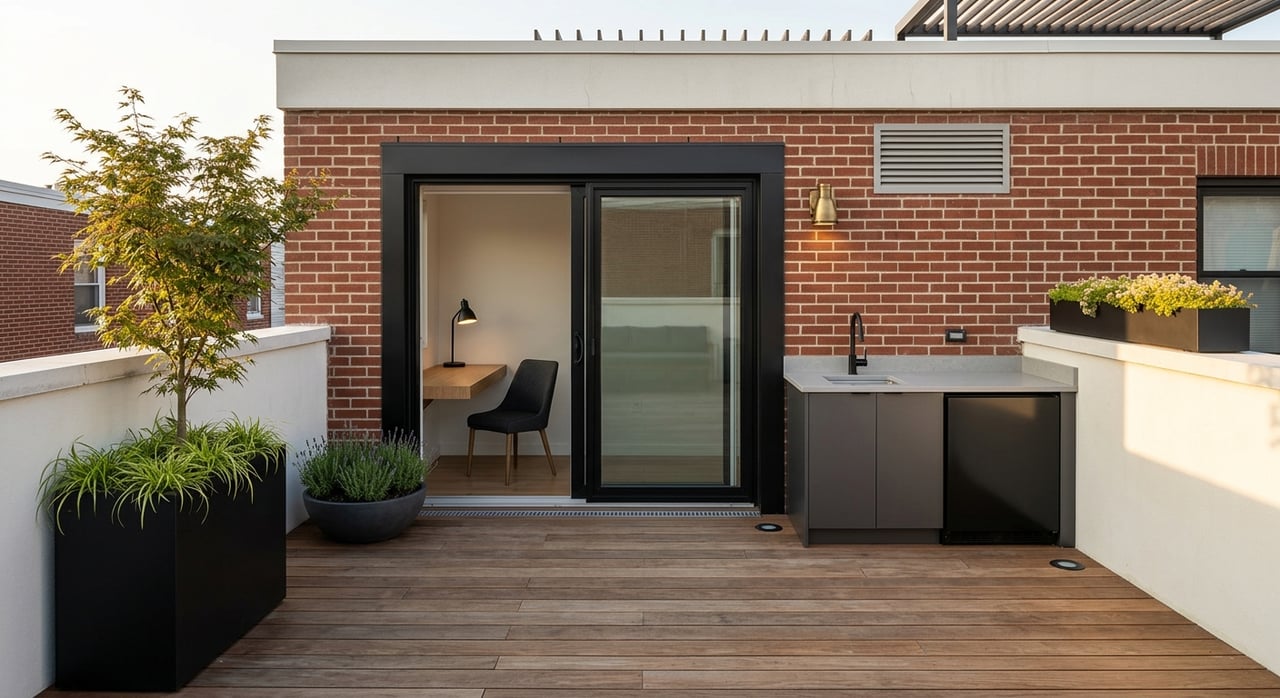
The Rowhouse Manual states that additions require zoning and building permits. The Philadelphia Historical Commission also notes that if a property is listed on the Philadelphia Register of Historic Places, commission approval is required before work, and building permit applications are reviewed.
For you as a buyer, the takeaway is simple. Do not budget for a future deck, facade update, or addition until you understand the property’s status and approvals. The more you know before closing, the fewer surprises you are likely to face after.
Public Projects Worth Watching
Investor-minded buyers often ask what could shape long-term value besides the house itself. In Graduate Hospital, corridor and mobility projects are worth paying attention to.
The city’s Washington Avenue repaving and improvement project covers the corridor from Grays Ferry Avenue to 4th Street. The project is designed to improve pedestrian crossings, reduce speeding, and separate bicyclists from moving traffic. For homes near the neighborhood’s southern edge, that may be an important quality-of-life factor to watch.
The city is also remapping South Street between 11th and Front streets to update zoning regulations on that corridor. On a broader level, Philadelphia2035 remains the city’s comprehensive plan, with an update in progress, and the city reports that more than 44% of city land has been remapped since 2011. Mayor Parker’s H.O.M.E. initiative also aims to build, preserve, and renovate 30,000 housing units citywide.
None of that guarantees a specific return. But it does tell you that the policy environment remains active, which can influence future supply, street experience, and buyer or renter demand.
Mobility Still Supports Demand
In many Philadelphia neighborhoods, convenience is part of the value story. Graduate Hospital benefits from that. SEPTA access and neighborhood walkability help support demand from buyers and renters who want easier access to Center City and nearby commercial corridors.
The city also notes that Indego bike-share stations connect neighborhoods to SEPTA, commercial corridors, public services, parks, and activities. That may not change your underwriting on its own, but it adds to the neighborhood’s usability. In practical terms, places that are easier to move around often stay more relevant to a broad pool of future buyers and renters.
How to Think About the Opportunity
Graduate Hospital is often best understood as a mature rowhouse market with strong everyday appeal and less room for sloppy decision-making. You are not just buying into a zip code. You are buying a specific structure, on a specific block, with a specific legal and physical setup.
That is why disciplined buyers often do best here. Instead of chasing a generic “upside” story, focus on the right rowhouse, the right paperwork, and a renovation plan that fits the block and the property. That kind of approach can help you protect downside while still leaving room for long-term value.
If you are weighing a purchase in Graduate Hospital and want help looking at it through both a homeowner and investment lens, The Stawasz Group can help you evaluate the neighborhood, the numbers, and the property-specific details that matter.
FAQs
What should investor-minded buyers look for in Graduate Hospital rowhouses?
- Focus on legal use, layout, permit history, current condition, and how the property fits likely buyer or renter demand on that specific block.
What rental rules apply to Graduate Hospital properties in Philadelphia?
- Philadelphia requires a Rental License for rental units, a Certificate of Rental Suitability before a new tenant moves in, compliance with lead-safety rules for pre-March 1978 properties, and no outstanding city tax or L&I issues.
What does the Graduate Hospital housing market look like in 2026?
- Reported values vary by source, with Zillow at $566,516, Redfin at a $654,257 median sale price in April 2026, and Realtor.com at a $662,000 median listing price with median rent around $2,076.
Why does permit history matter in Graduate Hospital?
- Many properties are older rowhouses or conversions, so additions, decks, altered layouts, and unit splits may affect legal use, renovation costs, and future resale if they were not properly permitted.
What public projects could affect Graduate Hospital over time?
- Buyers may want to watch the Washington Avenue improvement project, the South Street zoning remapping effort, and broader city planning and housing initiatives that can influence supply, mobility, and neighborhood conditions.