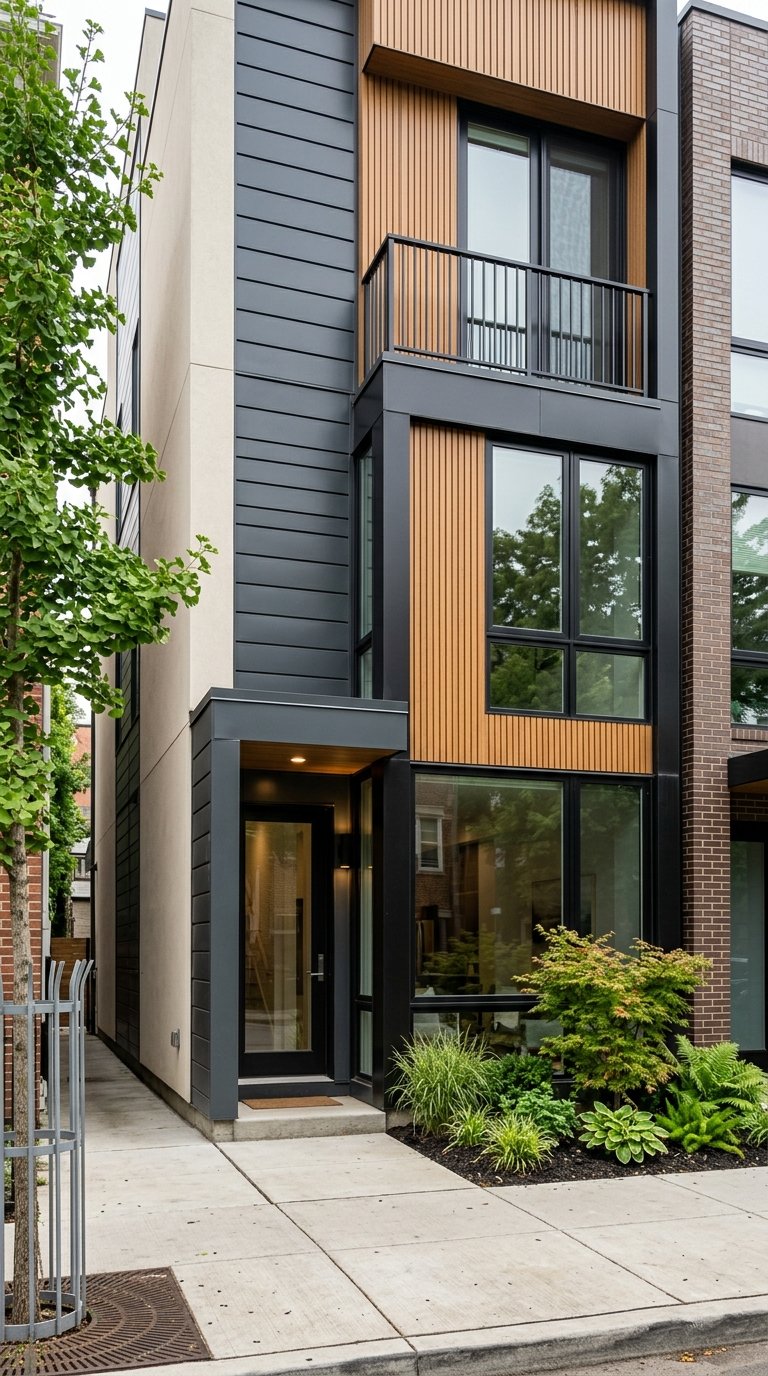
Wondering why Fishtown feels like it always has another new project going up? You are not imagining it. New construction is playing a real role in how buyers, sellers, and investor-minded shoppers think about this part of Philadelphia. If you are trying to understand pricing, inventory, and what today’s buyers actually want, this breakdown will help you make sense of where new builds fit into the bigger picture. Let’s dive in.
Fishtown Still Commands a Premium
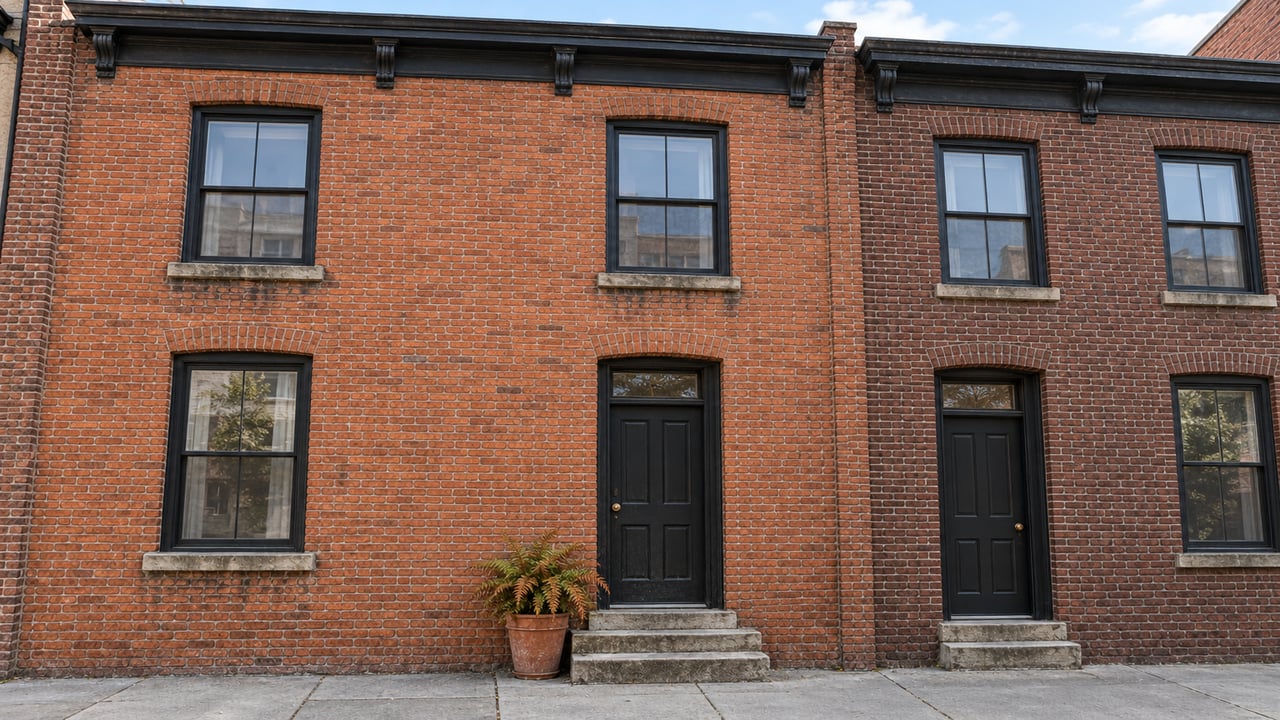
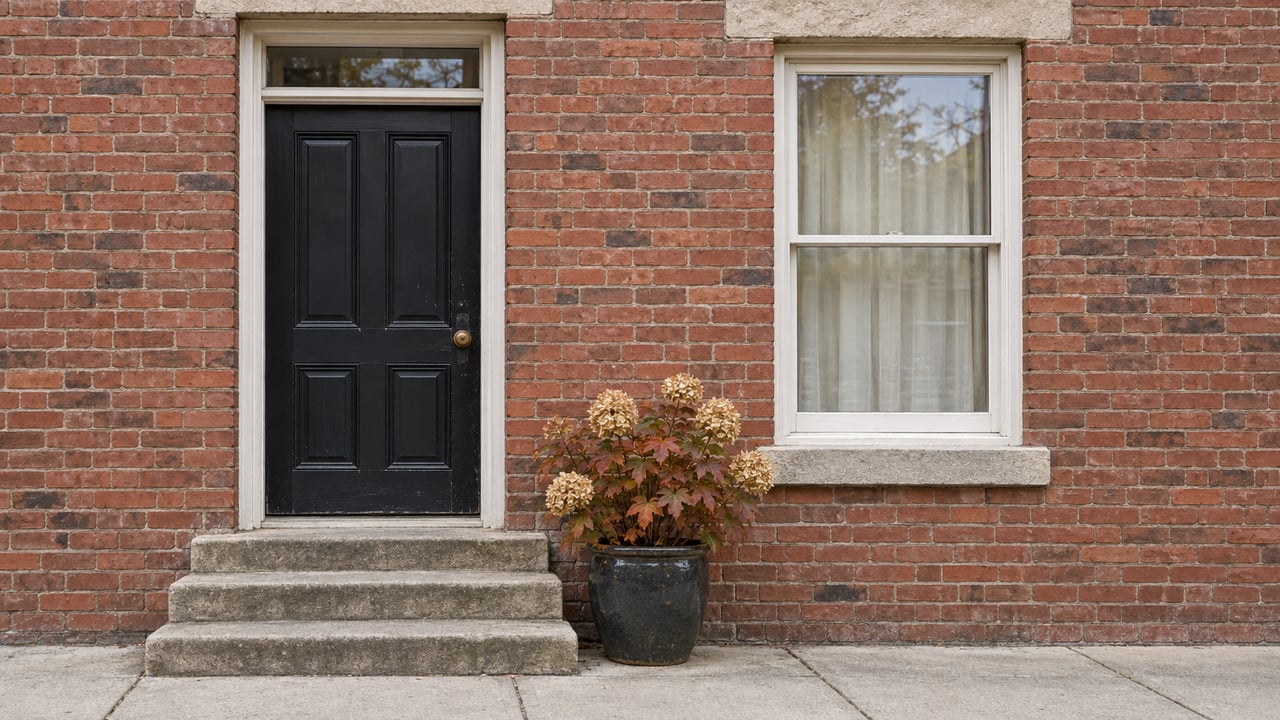
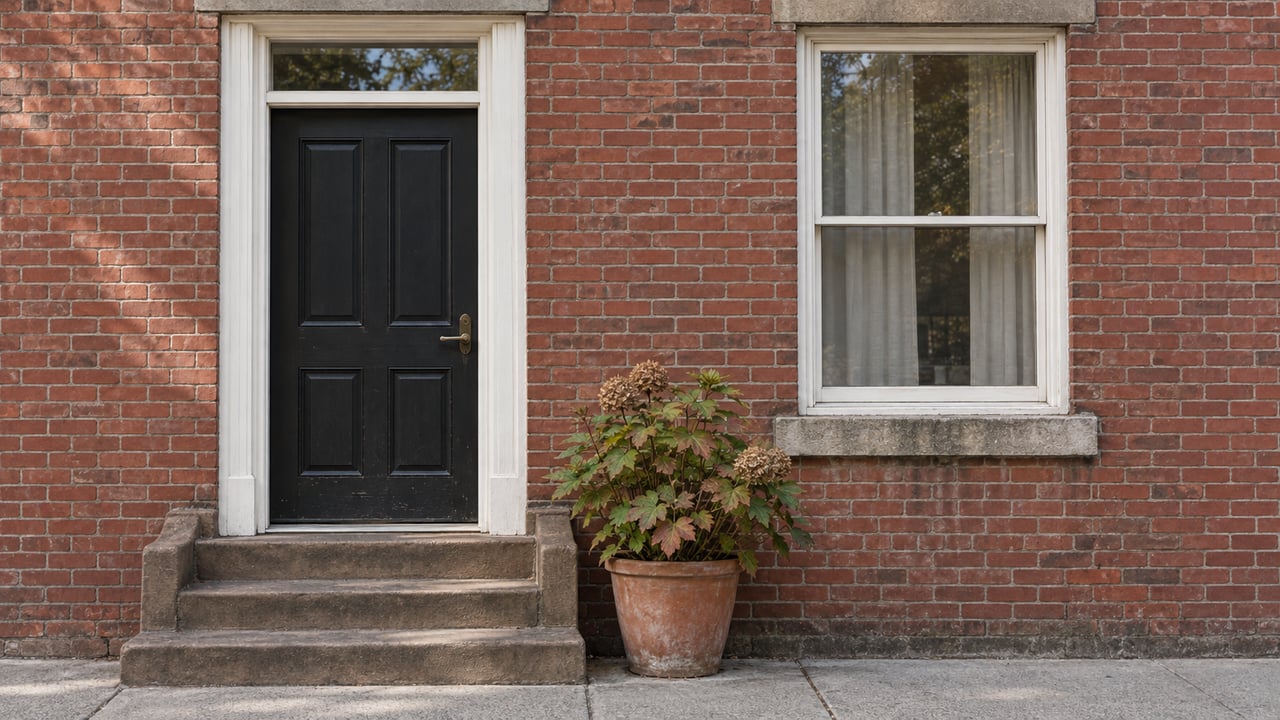
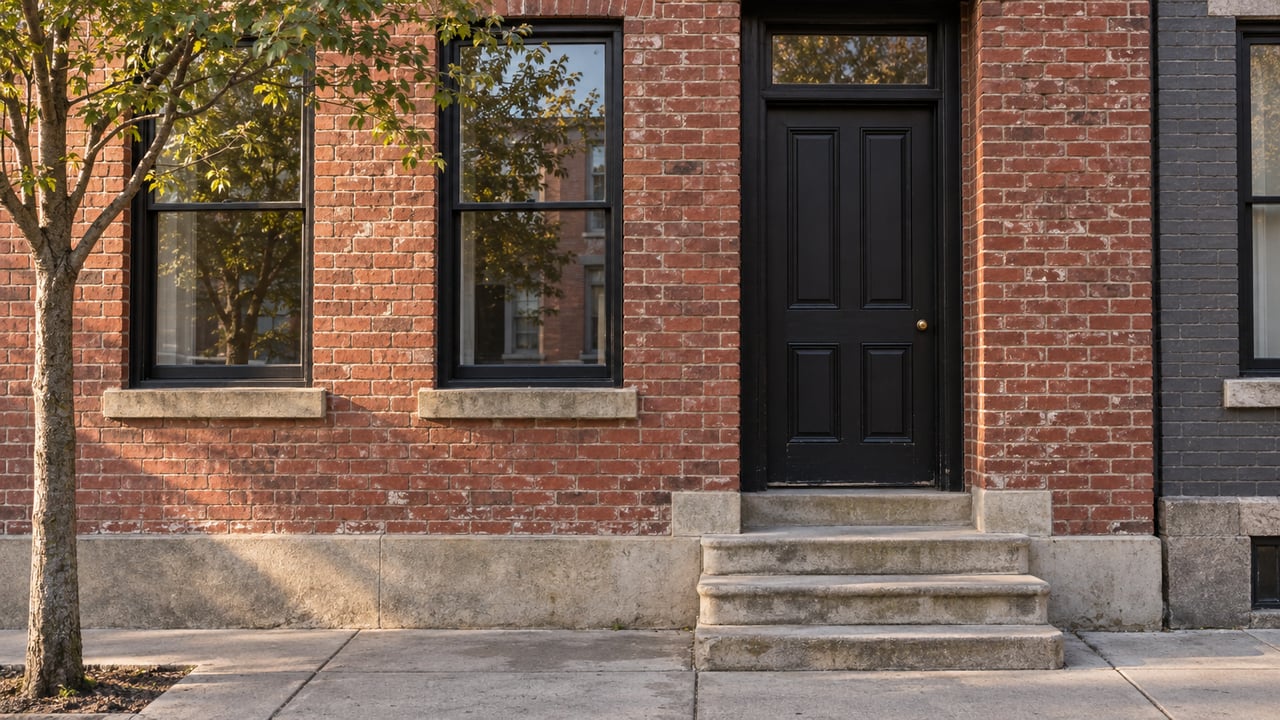
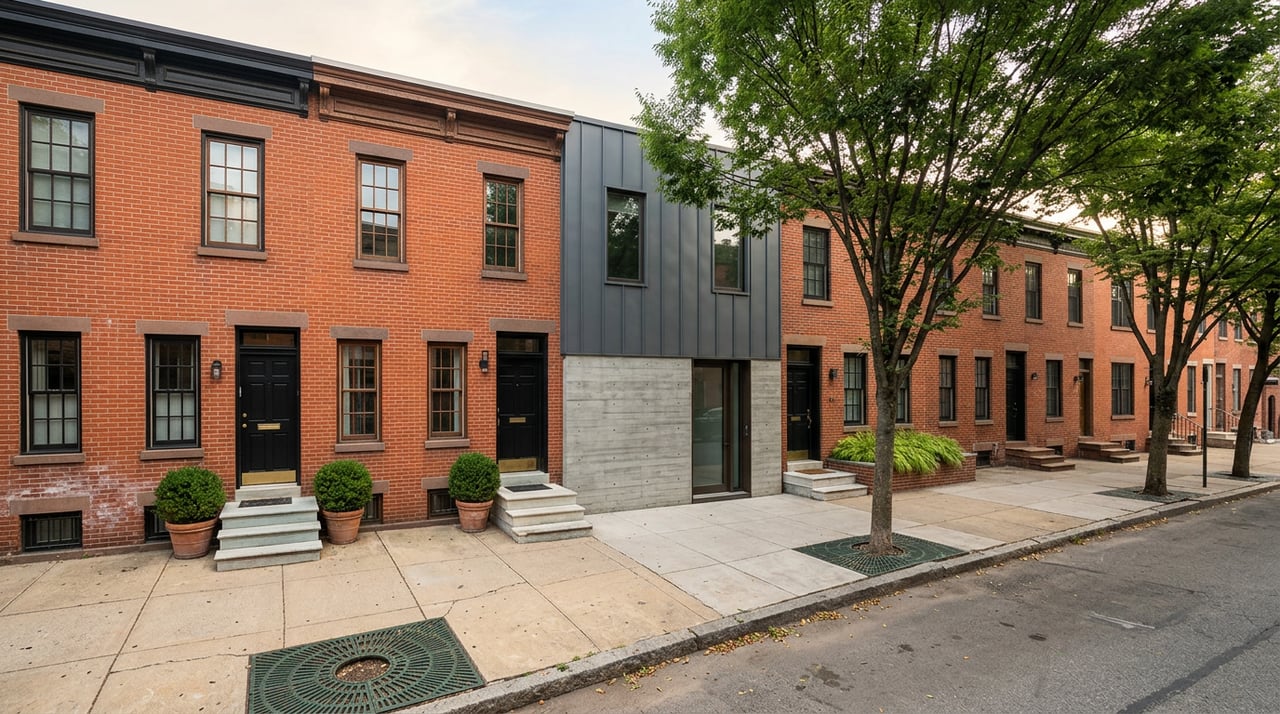
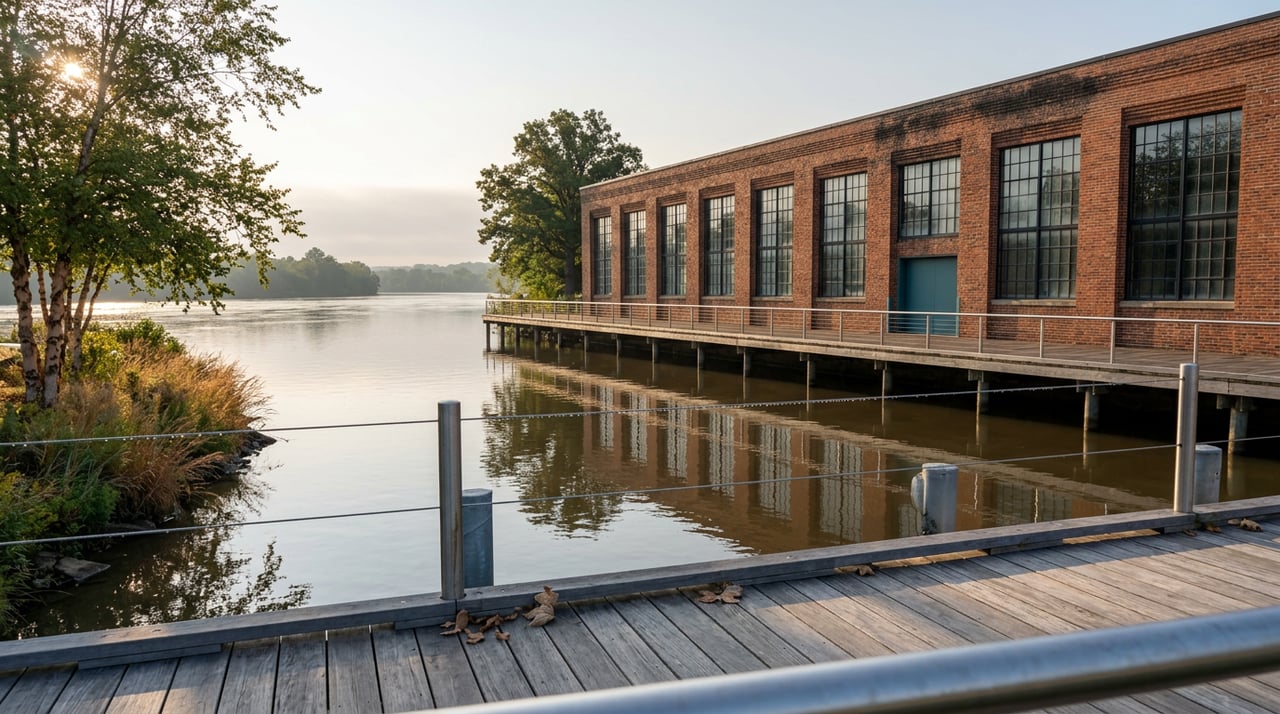
Fishtown has long stood out for its mix of historic rowhomes, former industrial spaces, and a location northeast of Center City. It is also known for being a major dining and entertainment district, with access to the Market-Frankford Line at Girard Station. At the same time, parking can be limited, which matters when you compare older housing stock with newer homes that include garages.
That neighborhood appeal shows up clearly in pricing. Redfin’s May 2026 data put Fishtown’s median sale price at $467,293, compared with $290,000 citywide in Philadelphia. That is about a 61% premium, which helps explain why builders continue to target the area with new infill projects.
Market activity also suggests there is still room for a range of buyers. Realtor.com’s April and May 2026 snapshot showed 221 active listings, a $520,000 median listing price, a $415,000 median sold price, 42 median days on market, and a 99% sale-to-list ratio. While Redfin called the neighborhood somewhat competitive and Realtor.com labeled it a buyer’s market in May 2026, both point to a market with meaningful inventory and active demand.
New Construction Is Expanding Buyer Choice
One of the biggest ways new construction is shaping Fishtown is by broadening the local product mix. Zillow’s Fishtown new-construction results show a wide spread, from a $434,900 two-bedroom condo to homes priced around $1.6 million. In between, you can find options like a $499,900 three-bedroom home and a $750,000 four-bedroom home.
That range matters because it gives buyers more than one entry point into newer housing. Instead of one type of luxury product, Fishtown’s new construction spans condos, townhomes, and larger single-family-style layouts. For buyers who want modern finishes and lower near-term maintenance, that variety can be a major draw.
It also shows that new construction is not arriving as one huge wave. In and around Fishtown, recent projects have tended to be boutique infill developments, like Moyer Street Court with 11 townhome units or Laurent Eight with eight townhomes. That pattern points to gradual inventory growth rather than a single surge of supply.
What Today’s New Builds Offer
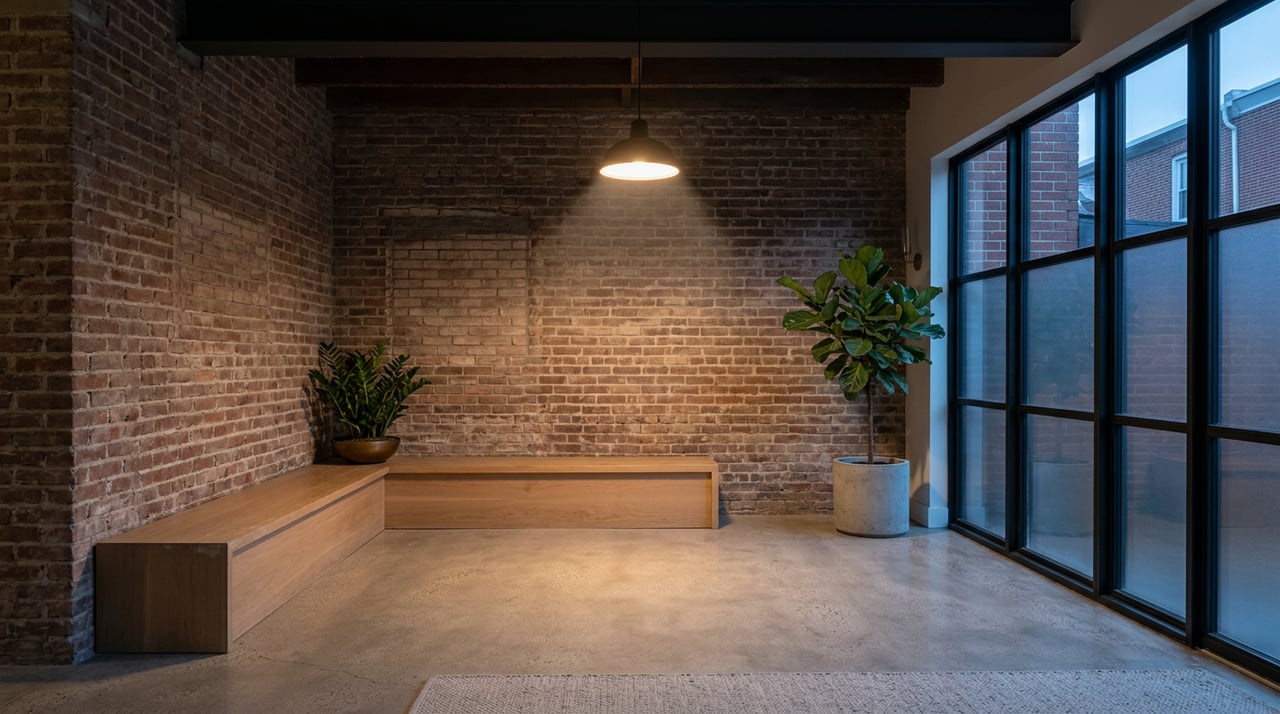
If you compare many newer listings with older resale rowhomes, the differences are easy to spot. Current new-construction listings often lean into features that many city buyers prioritize right now. That includes open main living areas, finished lower levels, roof decks, and multiple outdoor spaces.
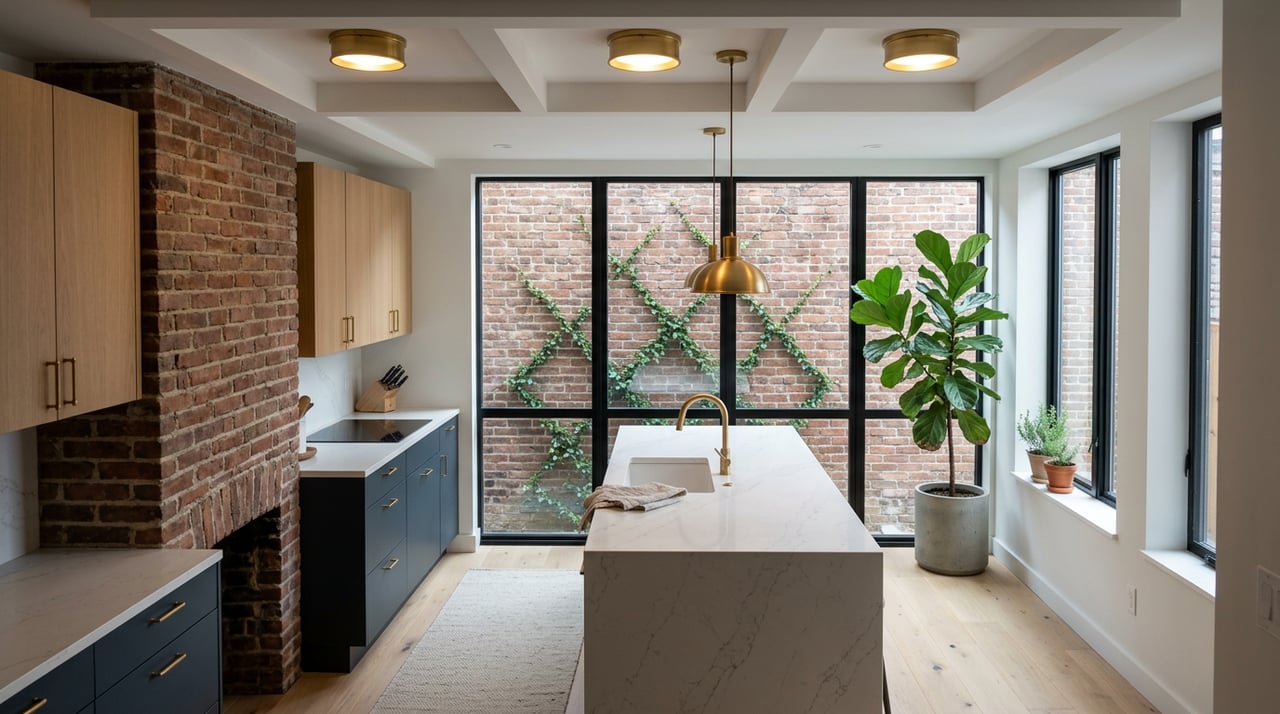
Many listings also skew toward three to four bedrooms and three to five bathrooms. Examples in current marketing include 10-foot ceilings, quartz waterfall islands, premium appliances, rear patios, rooftop decks, and bi-level condo layouts with upgraded cabinetry and counters. In practical terms, builders are designing around how people want to live today, not just around square footage.
Customization is another notable trend. Some projects let buyers choose from multiple finish packages, while others highlight cabinet color options and designer selections. For buyers who like the idea of a newer home but still want some personal input, that can make a big difference.
Why Parking Carries Extra Weight
In a dense neighborhood like Fishtown, parking is not a small feature. It can be a major pricing factor. Visit Philadelphia notes that parking can be limited in the neighborhood, and current new-construction examples show why garage parking stands out when it is available.
For some buyers, a garage or dedicated parking is not just a convenience. It is part of the decision to choose new construction over an older rowhome. In a market where daily lifestyle details shape demand, parking can help a home stand apart from competing listings.
Energy Features Add Everyday Value
Many newer Fishtown homes also market efficiency and convenience features that are harder to find in older housing stock. Listings mention high-efficiency HVAC, tankless hot-water systems, Energy Star appliances, green roof options, and builder warranties. These details may not be as flashy as a roof deck, but they matter once you move in.
When a project is ENERGY STAR-certified, there is another layer of value. According to the EPA, ENERGY STAR-certified homes and apartments exceed minimum energy code requirements by at least 10% and are independently verified for insulation, windows, air sealing, and HVAC systems. For buyers, that can mean better performance and potentially lower utility strain over time.
Why New Builds Cost More
New construction usually sits near the top of Fishtown’s price stack for a reason. You are often paying for newer systems, modern layouts, upgraded finishes, outdoor space, and sometimes garage parking, all within a neighborhood that already trades at a premium to the city median. In some cases, buyers also weigh the value of Philadelphia’s residential tax-abatement treatment into the overall picture.
Current listings help show that gap. Older resale rowhomes in Fishtown can appear around $249,875 to $339,000 for two-bedroom homes, while many new-construction options start in the mid-$400,000s and rise well above $1 million. That does not mean one category is always better than the other, but it does mean buyers should compare based on total value, not just sticker price.
Because newer product tends to sit at the higher end of the local market, it can also influence expectations for turnkey homes with amenities. That may affect how nearby homes are positioned and valued, especially when buyers compare condition, layout, and maintenance needs side by side.
What Buyers Gain and Give Up
For many buyers, the biggest advantage of new construction is lower near-term maintenance. Philadelphia’s Rowhouse Manual notes that rowhouses are adaptable, space-efficient, and cost-effective, but neglected rowhouses can lose value and common structural issues can include foundations and floor-joist problems. That helps explain why some buyers are willing to pay more for a home with newer systems and fewer immediate repair concerns.
You may also gain a more predictable move-in experience. Builder warranties, updated materials, and current design preferences can reduce the amount of work needed right after closing. If your schedule is tight or you want less renovation uncertainty, that can be very appealing.
The trade-offs are real too. Newer homes often come with a higher upfront price, and condo-style properties may include monthly HOA dues. One Fishtown condo listing showed a $106 monthly HOA fee covering common-area maintenance and master insurance.
In some cases, you may also trade larger interior space for newer finishes and amenities. An older rowhome may offer more traditional room separation or a different footprint, while a new build may focus more on open-concept living and outdoor features like decks and terraces. The right choice depends on your priorities.
The Tax Abatement Piece Matters
In Philadelphia, tax treatment can be part of the new-construction conversation. The city states that new residential construction can qualify for a 10-year property tax abatement starting the first month after the title date. The city’s application materials also show a declining schedule that starts at 100% abated in year one and phases down by 10 percentage points annually.
That can be meaningful when you are budgeting for ownership costs. At the same time, the city says homes with a 10-year residential abatement are not eligible for the Homestead Exemption during the abatement period. If you are comparing a new build with a resale home, this is one of the details worth reviewing carefully as part of your full monthly and long-term cost picture.
What This Means for Sellers
If you own an older home in Fishtown, new construction changes your competition. Buyers now have more chances to compare your property against homes with roof decks, designer finishes, newer systems, and in some cases parking. That makes pricing, preparation, and positioning even more important.
It does not mean older homes lose their appeal. Fishtown’s traditional rowhomes still offer character, established streetscapes, and, in some cases, a lower entry price. But when new construction raises the bar for turnkey living, sellers of resale homes need a clear strategy around condition, staging, and value.
What This Means for Buyers and Investors
For buyers, new construction in Fishtown creates more choice but also more homework. You need to look past the finishes and compare the full package, including layout, parking, tax treatment, HOA costs if any, and how the price fits the surrounding market. The right purchase is not always the newest one. It is the one that matches your budget, lifestyle, and long-term goals.
For investor-minded buyers, the key variables are often entry price, HOA dues, abatement runway, and maintenance avoided compared with an older resale rowhome. In a neighborhood with both premium pricing and active inventory, disciplined analysis matters. New construction can offer convenience and lower early repair risk, but the numbers still need to make sense.
Fishtown’s market is being shaped by steady, boutique-style development rather than massive change overnight. That is part of what makes the neighborhood so interesting right now. New construction is adding inventory, raising expectations, and expanding the range of homes available, all while fitting into a market that already commands attention across Philadelphia.
If you are weighing a new build against an older rowhome, or thinking about how to position your current home in this evolving market, The Stawasz Group can help you sort through the trade-offs with local insight and practical guidance.
FAQs
How is new construction affecting home prices in Fishtown?
- New construction is adding higher-priced, amenity-rich homes to the market, which expands buyer choice and can raise expectations for turnkey properties in the neighborhood.
Why do new construction homes in Fishtown cost more than older rowhomes?
- Many new builds include modern layouts, newer systems, roof decks, outdoor space, and sometimes garage parking, and they are entering a neighborhood where prices already sit above the Philadelphia median.
What features are common in Fishtown new construction homes?
- Current listings often include three to four bedrooms, multiple bathrooms, open-concept main floors, finished lower levels, roof decks, outdoor spaces, upgraded kitchens, and energy-efficient systems.
What should buyers know about Philadelphia tax abatements on new construction?
- Philadelphia says eligible new residential construction can qualify for a 10-year tax abatement with a declining schedule, and homes with that abatement are not eligible for the Homestead Exemption during the abatement period.
Are older Fishtown homes still a good option compared with new construction?
- Older homes can offer character and lower entry prices, but they may come with more maintenance risk than a newer home with updated systems and builder-backed features.