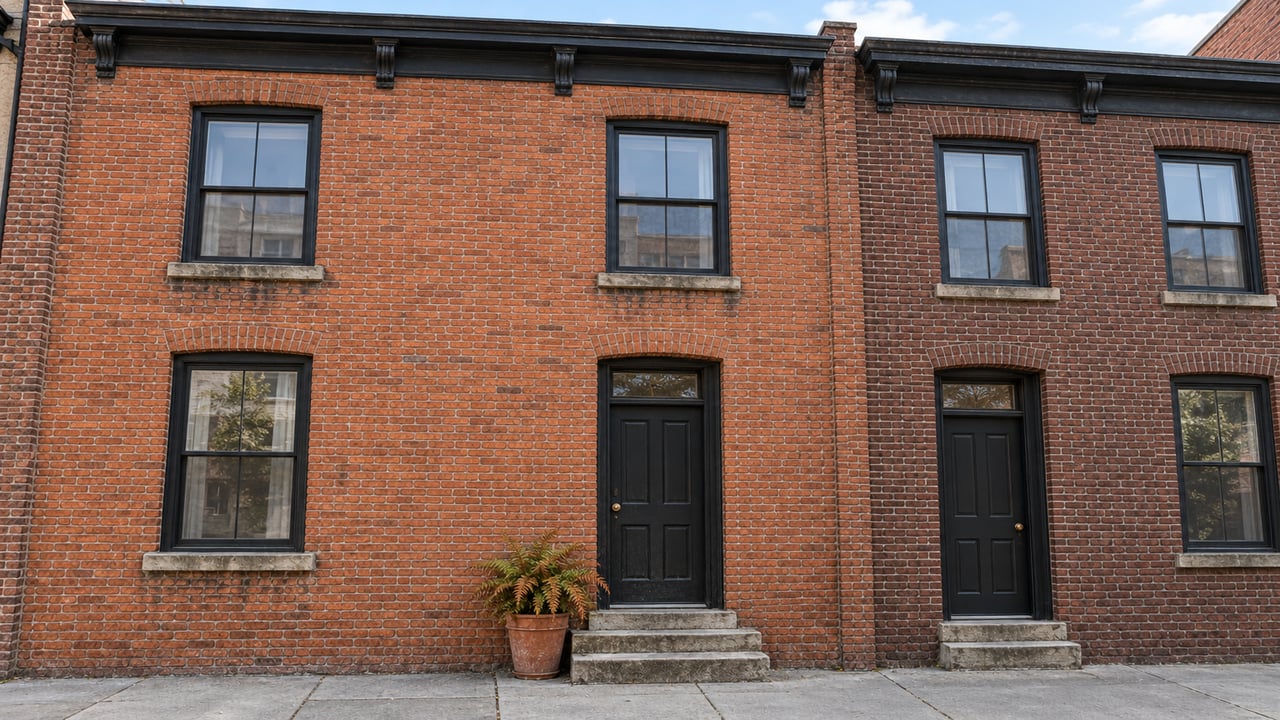
According to XPN, a show was underway in a converted garage on a side street off Front. It was January 2025, and nobody in the room noticed the visitor from the city's Department of Licenses and Inspections until the cease operations order was already being written up.
"There were probably 10 people here."
In its report, XPN quoted Joe Lockwood, co-owner of what's now called Nostalgia Fishtown, describing the night L&I issued a cease operations order. He texted his partner, Morgan Walbridge, who was on a treadmill at the nearby City Fitness when she got the news that the space they'd spent two years building was now under a cease operations order.
If this were a story about a DIY venue getting busted and disappearing, it wouldn't be worth telling. What makes it worth telling is what happened after. The bust didn't kill the garage. It legitimized it, and it did so because the neighborhood around it decided the venue was worth saving. That's the part of Fishtown's music scene that doesn't show up on a list of bars with a stage. It's the mechanism by which small rooms survive here.
From Cease and Desist to Sold Out
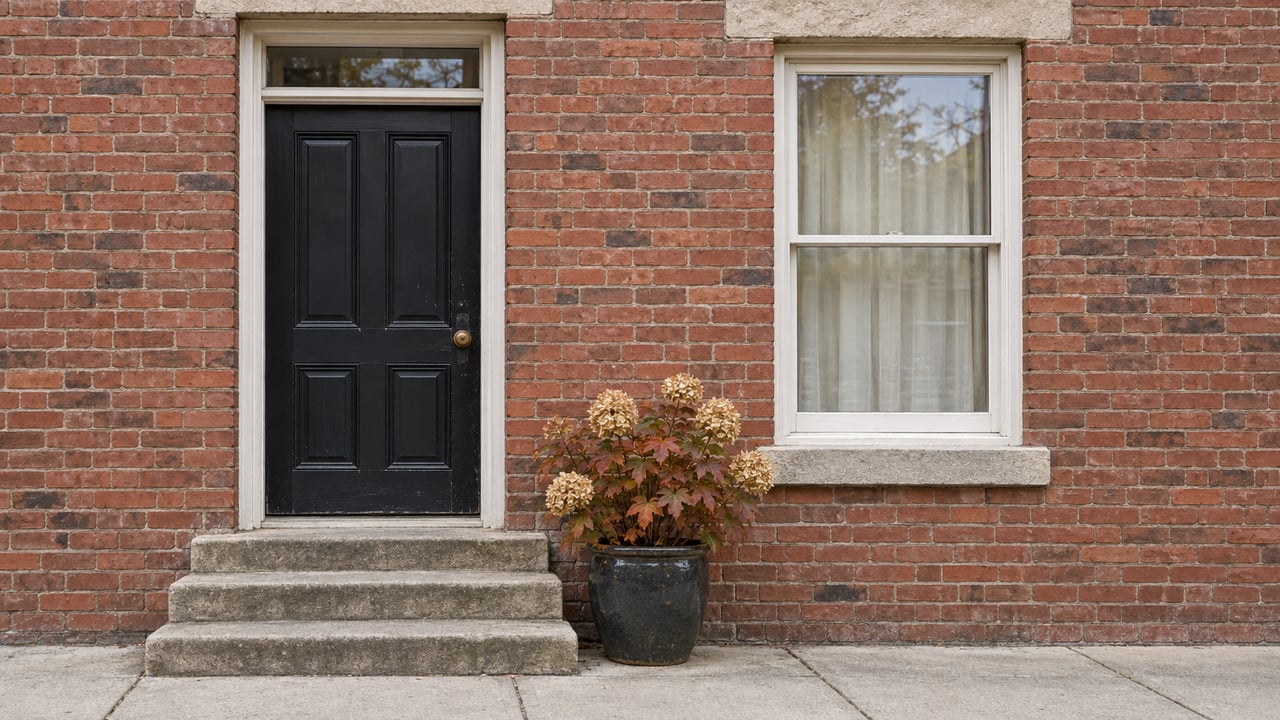
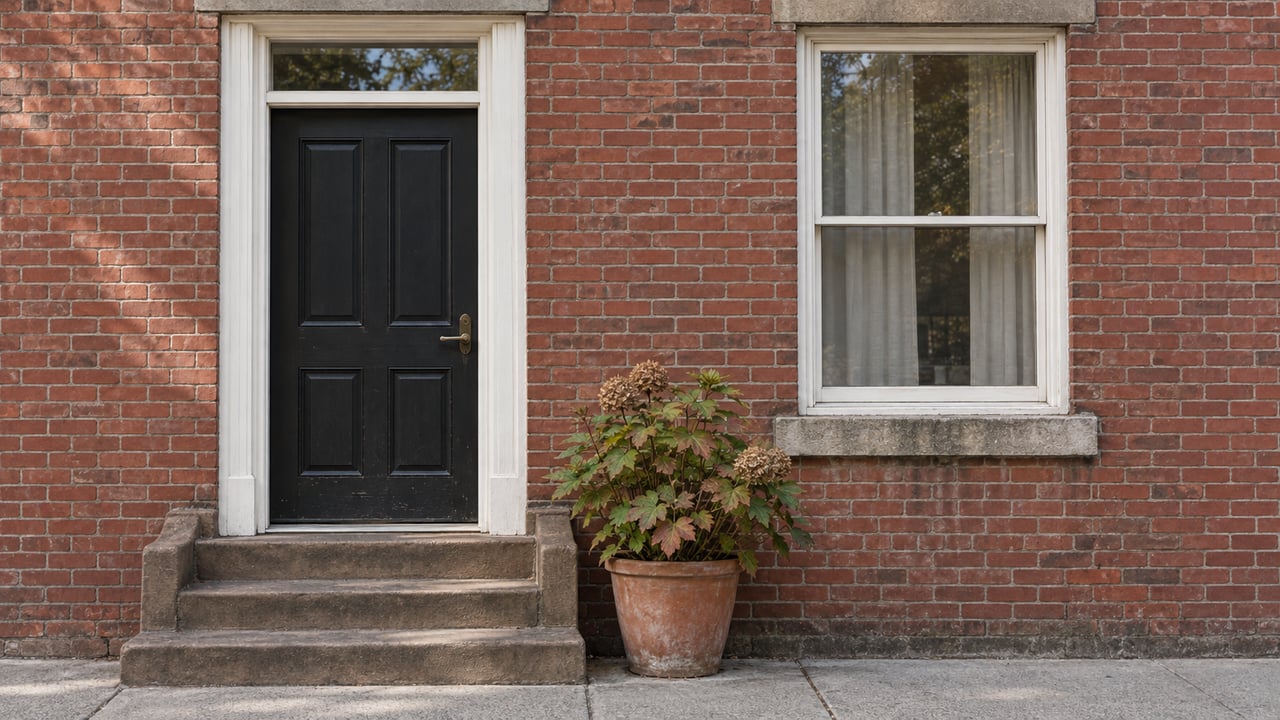
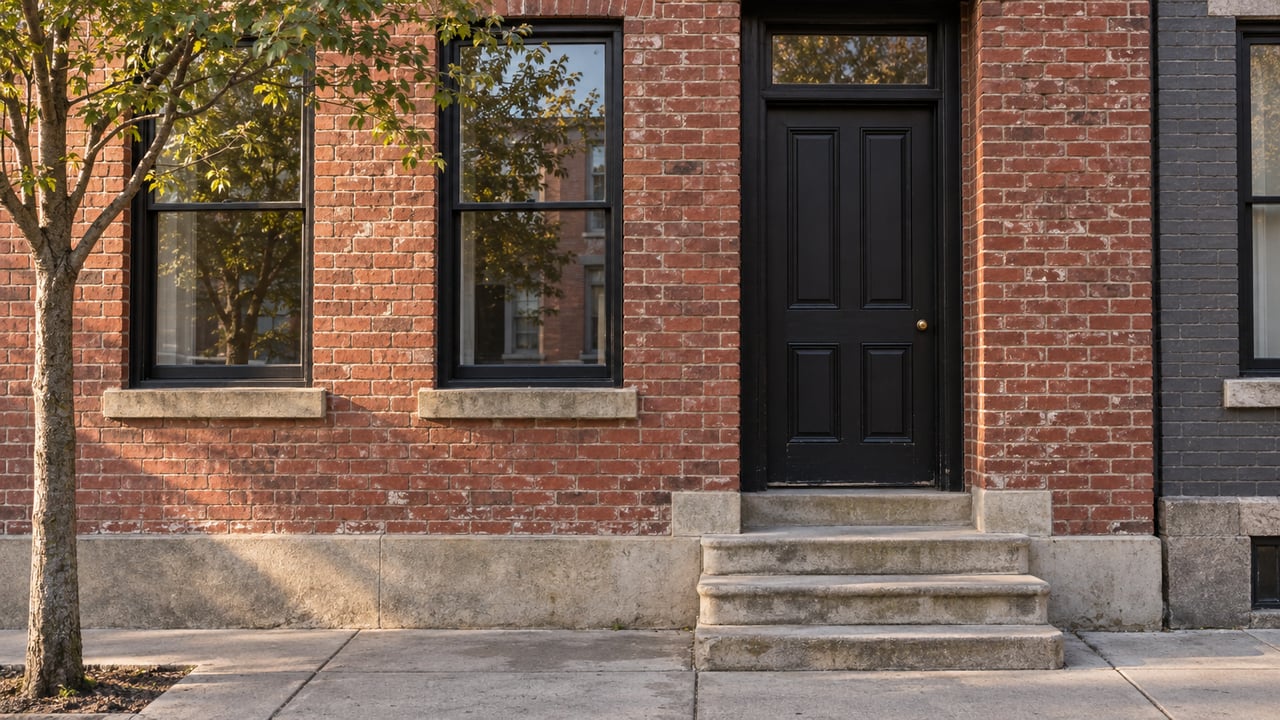
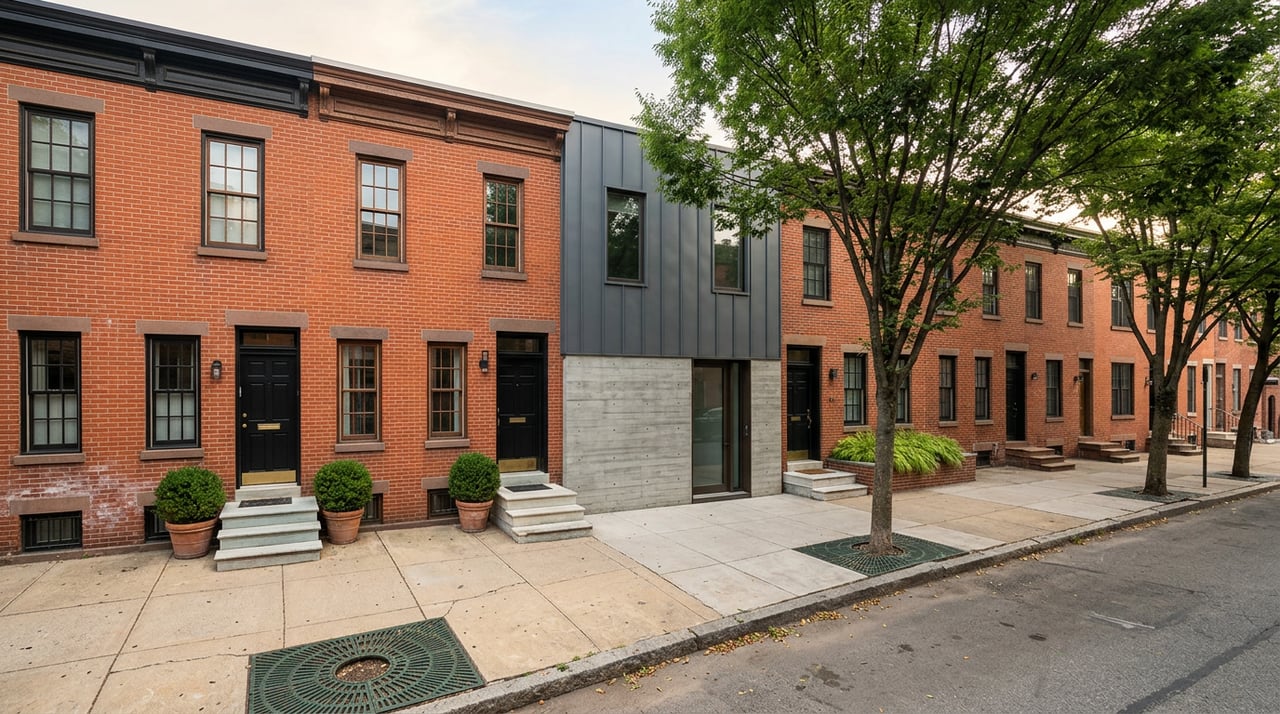
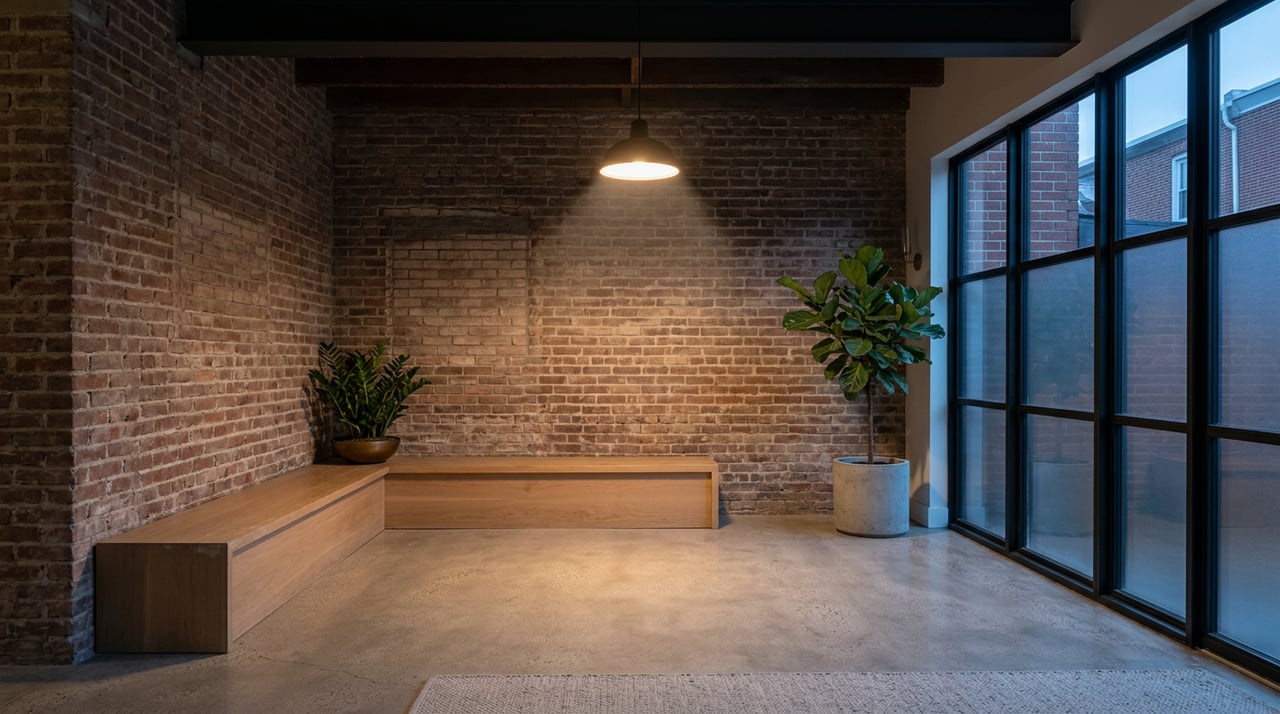
According to Billy Penn, Lockwood and Walbridge, both University of the Arts graduates, bought their Fishtown rowhome in 2023 with a plan to live upstairs and turn the ground-floor garage into a shared creative space. The renovation alone took two attempts. The report also quotes Lockwood describing the space before they rebuilt it: "The floor was all kinds of caved in, and there wasn't really any ceiling." They started hosting quiet, invite-only shows in 2024, just weeks before University of the Arts abruptly closed its doors. For the community of musicians who'd lost their school overnight, the garage became a landing spot almost by accident.
That informal run is what caught L&I's attention in January 2025. Getting shut down mid-show could have ended things. Instead, it forced the question of whether Nostalgia would become a real, licensed venue or stay a rumor. The path to yes ran through a presentation to the Fishtown Neighbors Association's zoning committee, a request for a special exception from the city's zoning board, and a lot of help the owners didn't have to go looking for. A zoning attorney, Rachael Pritzker, got connected to them through her musician assistant, who'd been to shows at the garage. The architect who helped redesign the space turned out to be another UArts alum. Neighbors who showed up to the zoning meeting voted in favor of the exception after the owners agreed to limit operating hours, a concession that mattered given the venue sits just steps from the Market-Frankford El.
The venue opened its doors to the public on May 1, 2026, first as a spot where people could stop in, browse a rack of thrifted T-shirts, and meet the owners. The first ticketed concert didn't happen until June 28. Within its first two months, nearly 500 groups had booked the space for something, whether a rehearsal, a listening party, or a full show. What started as a calendar booked through November had, by midsummer, stretched into February.
That trajectory is the actual story. A venue that got shut down for operating without permission is now the hardest room in the neighborhood to get a date at.
The Math of a Fifty-Seat Room
Nostalgia's capacity tells you what kind of venue this is. The room can physically hold up to 70 people, but the ticketed limit sits at 50, and the typical show runs closer to a living-room crowd than a concert. Compare that to what else is within walking distance:
- Nostalgia Fishtown (14 Jefferson St.) seats roughly 50 ticketed guests, BYOB, five shows a week
- Kung Fu Necktie (Front St.) runs closer to 200-person capacity for punk and indie bills
- Johnny Brenda's (Frankford Ave.) books its upstairs room in a similar range, with live music most nights of the week
- The Fillmore Philadelphia (Frankford and Delaware Aves.) tops out around 2,500, with its smaller upstairs room, The Foundry, holding about 450
The gap between the top and bottom of that list isn't just a difference in size. It's a difference in who controls the calendar. The Fillmore arrived in 2015 as a Live Nation project inside the old Ajax Metal Company building, backed by the same corporate infrastructure that books arenas nationwide. Nostalgia arrived because two people spent two years fighting City Hall's zoning process with help from neighbors who showed up to a community meeting. Both are part of the same live music scene. Neither one is the whole story on its own.
A Festival the Neighborhood Runs Itself
The same pattern shows up at street level every spring, when Fishtown Music & Arts takes over Front Street between Oxford and Palmer for a full day of programming across seven stages. The 2026 edition, held May 2, marked the festival's fourth year, running more than ten straight hours starting at 2 p.m. and drawing more than 100 vendors alongside two dozen-plus performers. It's built by the neighborhood, for the neighborhood, the same instinct that turned a garage on Jefferson Street into a venue people now plan their week around.
If you know Fishtown's music scene through shows at the Fillmore or drinks at Kung Fu Necktie on a Friday, Nostalgia offers another part of the picture. The bigger rooms are the visible skyline. The smaller ones, the ones that depend on a zoning attorney doing a favor or a neighbor voting yes at a community meeting, show another way the scene takes shape.
What This Actually Changes
If you're the kind of resident who tracks what's new on Frankford Avenue, the useful update isn't that Fishtown has live music. It's had live music for over a decade. The update is that the neighborhood's newest and smallest room only exists because the enforcement process that could have ended it instead pushed it toward legitimacy, with the community doing a lot of the pushing. That's a different kind of proof of a scene's health than another chain opening a location. It suggests the infrastructure around live music here, the zoning committees, the neighbors, the other venue owners, is oriented toward keeping small rooms alive rather than squeezing them out.
For anyone mapping out a week in Fishtown, that means the honest answer to "where's the show tonight" now spans a wider range than it used to: a 50-seat garage with a BYOB policy and a five-night-a-week calendar booked out to February, a punk bill at Kung Fu Necktie, or a touring act at the Fillmore. The neighborhood didn't get louder by adding one big room. It got deeper by making room for the small ones to stay.
If you're weighing what it actually means to live within walking distance of all of it, from a rowhome on a quiet block to a stage in someone else's garage, The Stawasz Group knows Fishtown block by block, past the parts that make the news. Reach out when you're ready to talk about what living here actually looks like, day to day.