Bryan has walked past the building on Frankford Avenue for six years without seeing anything happen inside it. He moved to Fishtown, the building stayed empty, and that was the arrangement until this spring, when a stack of zoning notices appeared and the Fishtown Neighbors Association scheduled a meeting to talk about what might finally go in.
What went in, as of September 10, is Cannonball Club: a 30,000-square-foot combination of coffee bar, members-only lounge, and vertical car storage for roughly 75 vehicles, tucked into a factory building that had done nothing but collect dust for longer than most current residents have lived on the block. The opening has been covered by television news, the Inquirer, and a handful of neighborhood blogs, mostly through the lens of what's parked inside. That's a reasonable way to cover a building with a Lotus Esprit and a 1976 Ford Gran Torino stacked four levels high behind glass. But it skips the part of the story that actually explains why this specific concept, in this specific building, made it to opening day at all.
A Building That Sat Empty Long Enough to Become Furniture
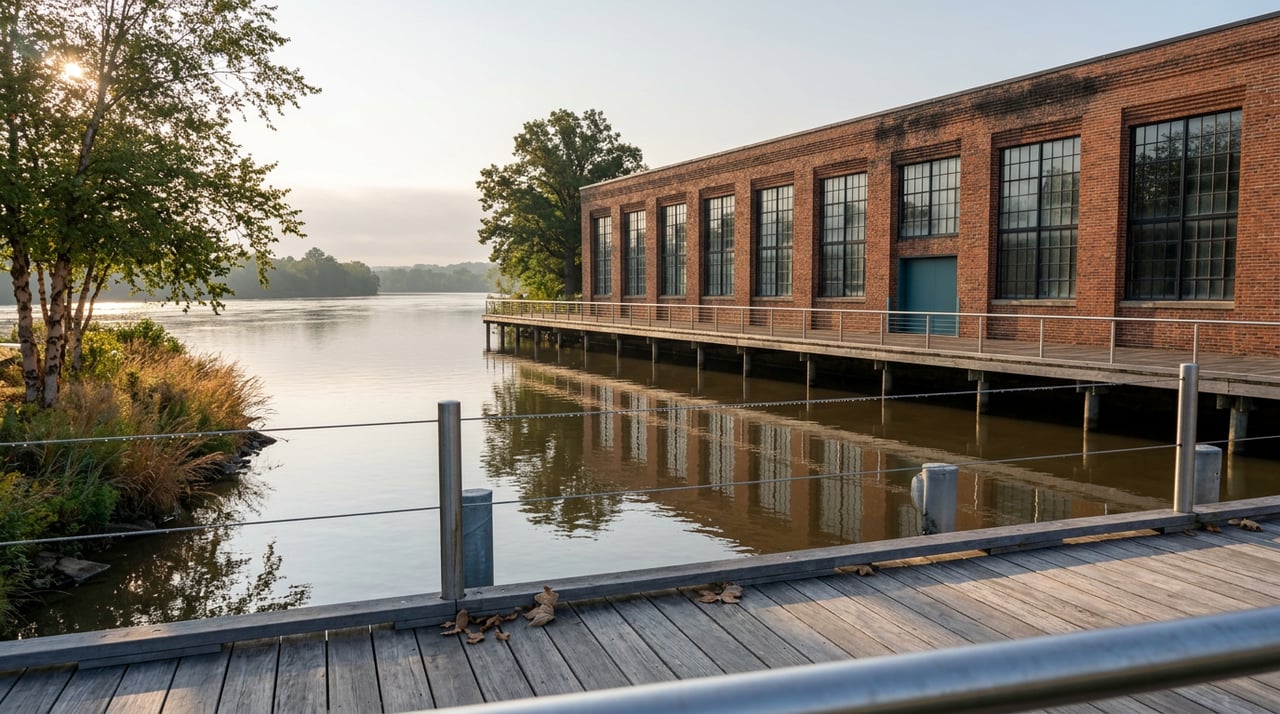
Local coverage doesn't fully agree on the building's corporate history. Some reporting identifies it as a former Otis Elevator Company factory from the early 1900s; other coverage calls it the old Morse Elevator Works. What every account agrees on is the more relevant fact for a Fishtown resident: the building had been sitting empty for years, exposed trusses and clerestory windows intact, doing nothing for the block except taking up a storefront that could have been something else.
Chris Allen, the 32-year-old Jenkintown native behind the project, first announced the concept in October 2024 and originally targeted a summer 2025 opening. Zoning and construction pushed that back by more than a year. Allen already ran a car storage facility in Huntingdon Valley, which he has described in press coverage as functional but lacking any real social pull. The Fishtown building gave him a chance to build something closer to what he had in mind from the start, a version of the Classic Car Club in Manhattan or the Motoring Club in Los Angeles, adapted for a Philadelphia rowhouse neighborhood rather than a coastal metro.
What Actually Reopened on September 10
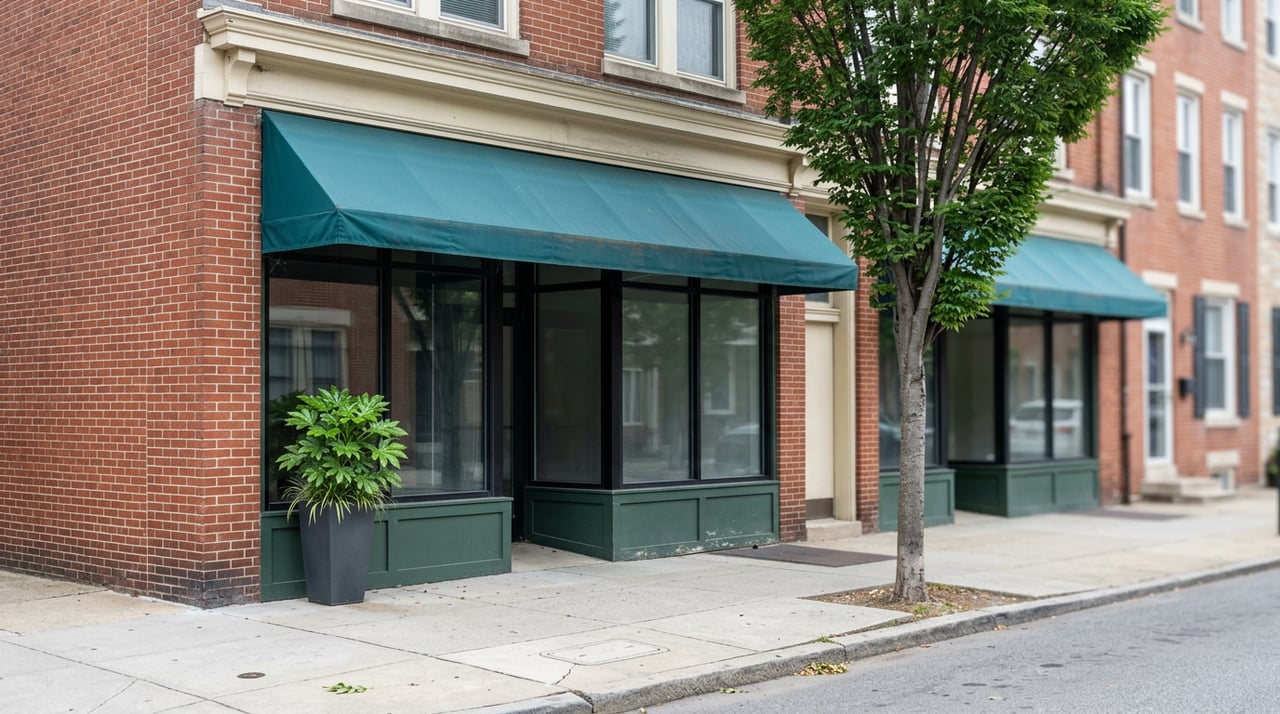
The public-facing part of Cannonball Club is a street-level cafe open from 8 a.m. to 2 p.m., where anyone can walk in for coffee and look through glass walls at the collection behind it. Everything past that point requires membership: a bar that runs more than fifty feet along the second floor, a co-working area, and four stacked levels of vehicles that members pay an annual fee to store.
The current lineup includes:
- A 1984 Porsche 911 Carrera Coupe
- A 1976 Ford Gran Torino
- A Citroen XM
- A Lotus Esprit
- A Fiat 600 Multipla from the 1950s
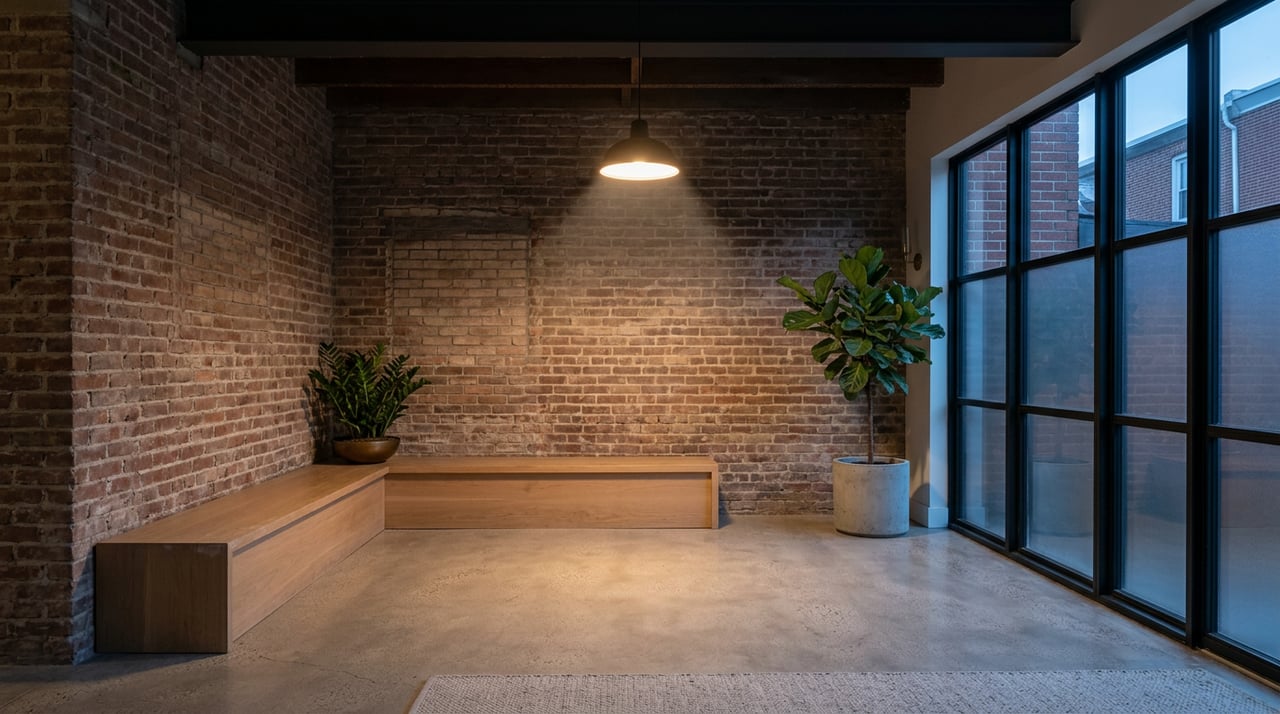
Allen was deliberate about avoiding the aesthetic that usually comes with this kind of project. He worked with his brother James and their mother, who runs an antique store, to build out a lounge with Oriental rugs, leather couches, and orange velvet wingback chairs, explicitly steering away from neon signage and vintage gas pumps. Not everyone thought the investment made sense. A business consultant who knows Allen from the endurance racing circuit told the Inquirer he would have advised against spending as much as Allen did on the buildout. That kind of skepticism from someone in Allen's own professional circle is worth sitting with, because it's a different flavor of doubt than the one that showed up online.
The Meeting Nobody Wrote About
Before any of the cars arrived, the project needed a zoning variance to operate as an entertainment venue, which meant a vote at a Fishtown Neighbors Association meeting. According to reporting in the Inquirer, neighborhood support at that meeting was strong, with only a handful of residents raising concerns, and even those concerns turned out to be based on a misreading of the concept. Bryan, the neighbor who had watched the building sit vacant for six years, put it plainly: people at the meeting seemed to think the club would be filled with Lamborghinis and Porsches, when his own car in storage there is a Gran Torino, not exactly an exotic.
Fishtown Neighbors Association president John Scott has been clear that the group doesn't typically weigh in on individual business proposals. Its meetings are usually reserved for broader neighborhood issues like pedestrian safety and parking. That the FNA held a dedicated vote on this one project, and that the vote favored approval by a wide margin, says something about how the neighborhood actually processes new commercial concepts before they open, which is a very different story than the one playing out in the comments.
The Gap Between the Comment Section and the Room
Online reaction to Cannonball Club has run hotter than the room where the actual decision got made. One Instagram comment under the business's announcement post claimed the whole neighborhood was against it. Allen has said he isn't new to that kind of pushback and has heard plenty of accusations that the concept is exclusionary or overly precious about car culture. His response, repeated across several interviews, has been that he wants the space to work for someone who wants to talk through the details of a Honda B-series engine just as much as someone with six figures of storage fees on the books.
The disconnect between the online temperature and the zoning-meeting outcome is the actual story here, and it's a pattern that shows up elsewhere in Fishtown's civic life too. The same kind of gap between a loud online reaction and a quieter, more favorable in-person process shaped how the neighborhood eventually came around on a small live music venue that City Hall initially tried to shut down. In both cases, the people who showed up to speak in person told a more forgiving story than the people typing from their phones.
What This Means If You Live Near Frankford Avenue
For a resident who has watched that building sit dark for years, the practical takeaway isn't about whether you're a car person. It's that Fishtown still has a functioning, low-drama civic process for deciding what happens to its remaining underused industrial buildings, and that process tends to run cooler than social media would suggest. Frankford Avenue has a handful of other properties with similar bones, old brick, tall ceilings, window lines that predate the neighborhood's current identity. If Cannonball Club's path from announcement to zoning vote to opening day is any indication, the next one of those buildings to get a serious proposal will probably clear a public hearing with less controversy than its own comment section implies.
For now, the building on Frankford Avenue that Bryan walked past for six years has a purpose again, coffee in the morning, a Gran Torino in the garage, and a public record of how the neighborhood actually decided to let it happen.
If you're curious about what else has changed on Frankford Avenue or want a broader read on the Fishtown neighborhood, our team keeps a running account of what's opening, what's closing, and what it means for anyone thinking about property nearby. The Stawasz Group works Fishtown block by block, and we're always happy to talk through what a specific building or block is actually worth right now. Contact Us.