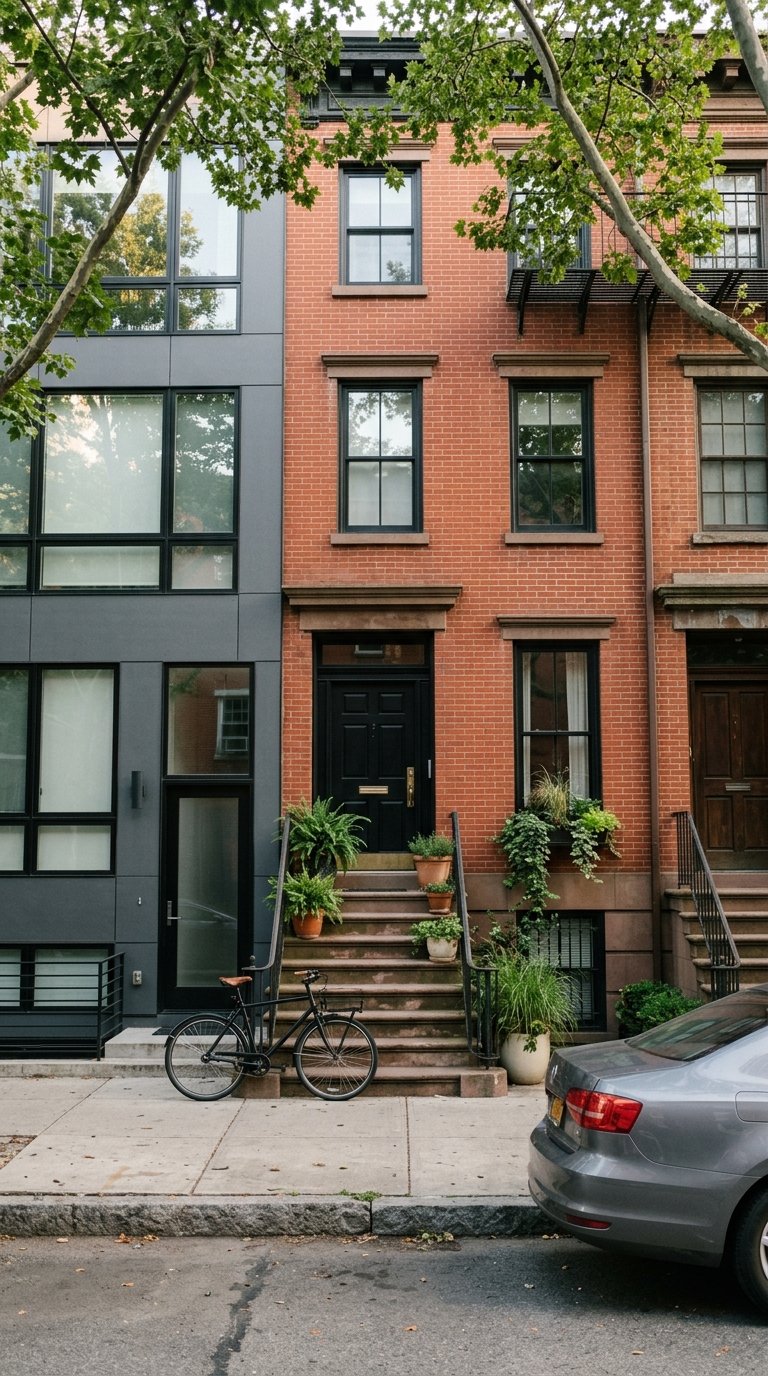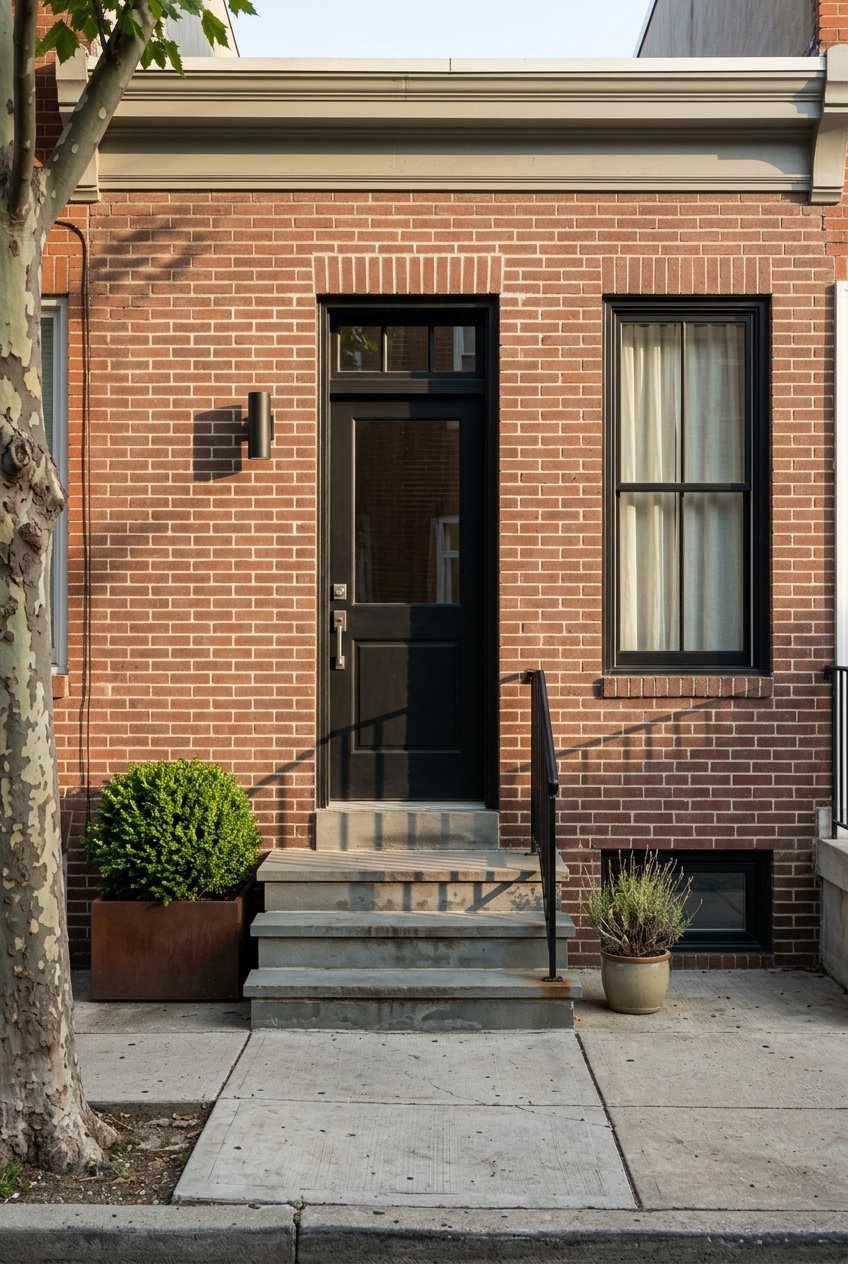
Thinking about buying a Fishtown rowhome with plans to renovate? You are not alone, and you are smart to look past fresh paint and trendy finishes before making a decision. In a neighborhood shaped by older housing stock, industrial history, and years of rehab activity, the real opportunity often comes from knowing how to spot solid potential and avoid expensive surprises. This guide will help you evaluate Fishtown rowhomes with more confidence, from layout clues and public records to permit history and structural red flags. Let’s dive in.
Why Fishtown Renovation Potential Stands Out
Fishtown is a strong neighborhood to study if you are looking at renovation potential because its housing stock tells a clear story. The area developed as one of Philadelphia’s industrial neighborhoods, with dense rowhouse blocks built near factories and the Delaware River waterfront. By the early 2000s, the neighborhood had already seen substantial rowhome rehabs and infill development.
That mix matters when you are evaluating a property today. Many homes still reflect older rowhouse forms, but they may also have decades of changes layered on top. In practical terms, renovation potential often depends less on dramatic expansion and more on whether you can improve livability without taking on major structural risk.
It is also worth noting that Fishtown boundaries can be debated depending on the source. If you are comparing listings, public data, or historic records, make sure the address falls within the area definition being used.
Common Fishtown Rowhome Clues
Many Fishtown buyers are looking at compact older homes or mid- to late-19th-century working-class rowhouses. According to Philadelphia’s Rowhouse Manual, these homes often feature narrow footprints, basements, front vestibules, shed kitchens, shallow closets, and older floor plans that do not always match modern living preferences.
Some homes may also have tall ceilings, bay windows, or more detailed woodwork. Those features can add character and resale appeal, but they do not guarantee the house is in original or stable condition. Rowhouses have often been remodeled over time, so what you see today may reflect several generations of changes.
That is why layout matters. In many Fishtown homes, the best renovation path is not adding major square footage. It is improving function through a better kitchen setup, updated baths, stronger storage, more natural light, or a more usable basement, when conditions allow.
Focus on Function, Not Just Size
If you are evaluating renovation upside, start by asking how the home lives day to day. A narrow rowhome can still feel comfortable if the layout is efficient, the basement is usable, and the rear portion of the home supports better flow. In many cases, these practical improvements create more value than chasing a major addition or complicated structural redesign.
The city’s rowhouse guidance also notes that some homes have rear yards with access, which can improve flexibility. Basement excavation may be possible in some cases, but only with professional support and without undermining party walls or neighboring foundations. That means basement potential should be treated carefully, especially in attached homes.
Start With Public Property Research
Before you get too attached to a listing, check the address through Philadelphia’s public tools. Atlas is the city’s main source for permit, license, inspection, and violation history. The Property App helps you review ownership, sales history, value, and physical property characteristics.
Together, these tools create a strong first-pass review. They can help you compare what the listing says, what photos show, and what the city has on record. If the property may have historic significance, files from the Philadelphia Historical Commission can add useful context like prior applications, photos, and property history.
This step is especially important in Fishtown because visible updates do not always tell the full story. A renovated kitchen may be recent, but you still want to know whether the bigger work behind the walls was documented when required.
How to Read Permit History Correctly
Permit history is one of the most useful clues in a rowhome renovation review, but it needs context. Philadelphia allows some projects through EZ permits without plans, including certain interior non-structural alterations, demolition of non-load-bearing walls, roof covering replacement, and some door or window replacement.
At the same time, EZ permits do not cover structural work. Changes involving exterior walls, party walls, floor framing, roof framing, foundations, underpinning, excavation, or basement alterations fall outside that simple path. If a home shows signs of big structural changes, you should expect a more formal paper trail.
There is another important nuance. In one- or two-family dwellings, replacing doors and windows often does not require a permit unless the property is historically registered. So if you do not see permits for cosmetic updates, that alone does not prove the work was done improperly.
Historic Status Can Change the Math
If a Fishtown property is historically registered, exterior work may require approval from the Philadelphia Historical Commission before changes are made. That can affect timeline, scope, and renovation flexibility.
This does not automatically make a home a bad candidate. It simply means you should confirm the property’s status early and understand whether past exterior changes were handled correctly. For a buyer weighing renovation potential, that is an important part of due diligence.
What Listing Photos Should Tell You
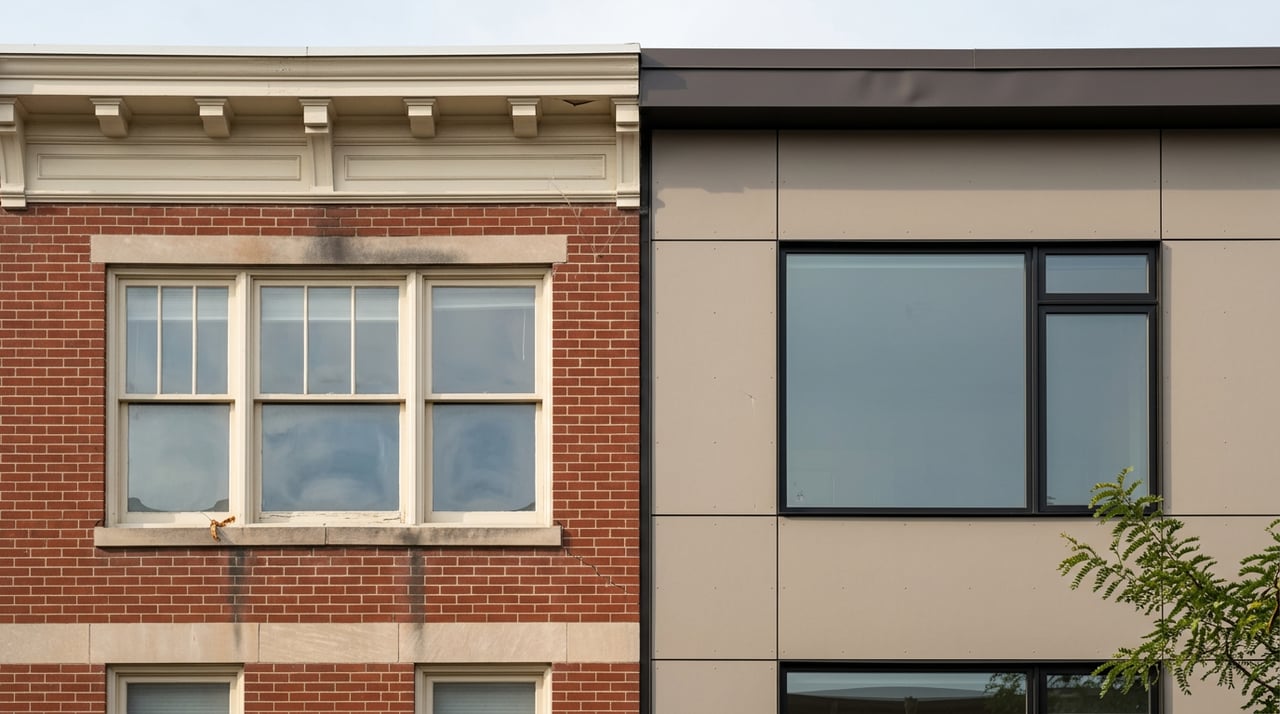
Photos can reveal a lot if you know what to watch for. On the exterior, pay close attention to brick spalling, deteriorated mortar, painted or covered masonry, cornice damage, drainage issues, and rear additions that look inconsistent with the original structure.
Philadelphia’s rowhouse guidance is clear that water is the main enemy of a rowhouse. Coverings on masonry can also hide deeper issues, which means a neat exterior does not always equal a low-risk one.
Inside, look at the stair layout, trim quality, plaster condition, and whether the floor plan reflects an older closed layout or a more recent opening of spaces. Original doors, trim, plaster, and floors can be valuable features, but poor patchwork or awkward transitions may point to a renovation done in stages or without strong planning.
Basement Red Flags to Take Seriously
In Fishtown rowhomes, the basement often holds some of the biggest clues about renovation potential. Watch for cracks, wall bulges, settlement, dampness, rot, termite damage, or signs that the basement floor was dug lower than neighboring homes.
Those issues can point to structural concerns, moisture problems, or unsupported changes. If a lowered basement looks attractive in photos, that does not mean it was done correctly. In an attached rowhome, basement and foundation work can affect not just your home, but adjoining structures as well.
What Usually Makes a Better Candidate
Not every fixer has the same upside. In Fishtown, stronger renovation candidates often share a few practical traits:
- Intact masonry and a sound roofline
- A believable permit trail for major work
- A usable basement without obvious structural warning signs
- Enough lot depth or rear access to improve livability
- A layout that can be upgraded without major structural changes
These traits tend to support a more manageable renovation path. They also fit with how the city evaluates property features that influence value, including style, square footage, era built, lot size, interior condition, central air, parking, and proximity to amenities.
What Should Raise Concern
Some homes are worth a closer look. Others may deserve real caution. The biggest red flags in an older Fishtown rowhome include:
- Foundation movement or settlement
- Major water intrusion
- Unsupported basement lowering
- Changes to party walls or framing without permits
- Exterior work on a historic property without required approval
A property with one of these issues is not always a deal-breaker, but it can quickly shift a renovation from cosmetic to complex. If you are buying with a budget in mind, understanding that difference early is critical.
Neighborhood Context Matters Too
Renovation potential is not just about the house itself. It is also about the block and the broader neighborhood pattern. Philadelphia’s New Kensington and Fishtown Redevelopment Area Plan notes that the area has dealt with vacancy and blight historically, but it also recorded more than 530 new housing units permitted between 2006 and 2013, along with substantial private investment in places like Frankford Avenue.
That pattern suggests a useful takeaway for buyers. In many cases, a structurally solid home with manageable improvement needs on a well-situated block may be a better long-term play than a property that requires major structural work or uncertain approvals.
Fishtown’s design guidance supports a similar view. The neighborhood’s built environment includes residential streets, commercial corridors, and reused older structures, with an emphasis on preserving the street edge and keeping changes responsive to surrounding homes.
A Simple Evaluation Workflow
If you are serious about a Fishtown rowhome, a practical review process can help you stay grounded:
- Confirm the property location and how the area is being defined.
- Review the address in Atlas for permits, inspections, and violations.
- Check the Property App for ownership, sales history, and physical details.
- Verify whether the property has historic status.
- Compare listing photos against likely rowhome issues, especially masonry, drainage, and basement condition.
- Separate cosmetic updates from structural changes.
- Assess whether the layout can be improved without major intervention.
This kind of disciplined review helps you avoid overreacting to finishes while staying alert to the details that can affect cost, timeline, and resale.
If you are weighing a Fishtown rowhome and want a second opinion on renovation upside, resale logic, or what to watch for on a specific block, ASTI Group LLC can help you think through the tradeoffs with a practical Philadelphia lens.
FAQs
What makes a Fishtown rowhome a good renovation candidate?
- A stronger candidate usually has sound masonry, a stable roofline, a usable basement, realistic layout improvement options, and a permit history that makes sense for the visible work.
How can you check permit history for a Fishtown property?
- You can review Philadelphia Atlas for address-level permit, inspection, license, and violation history, then compare that record to the property’s condition and listing photos.
Do all rowhome updates in Philadelphia require permits?
- No. Some cosmetic or limited non-structural work may not require a permit, and certain jobs can qualify for EZ permits, while structural work and some exterior changes require a more formal process.
Why is the basement so important in a Fishtown rowhome?
- The basement can reveal cracks, settlement, moisture, rot, termite damage, or signs of unsupported lowering, all of which may point to larger structural or water-related issues.
How do historic rules affect rowhome renovation in Fishtown?
- If a property is historically registered, exterior work may need approval from the Philadelphia Historical Commission, which can affect what changes are allowed and how long the process takes.
Is bigger always better when evaluating renovation potential in Fishtown?
- Not necessarily. In many Fishtown rowhomes, the better opportunity is improving function, storage, light, kitchens, baths, or basement usability rather than taking on a large structural expansion.