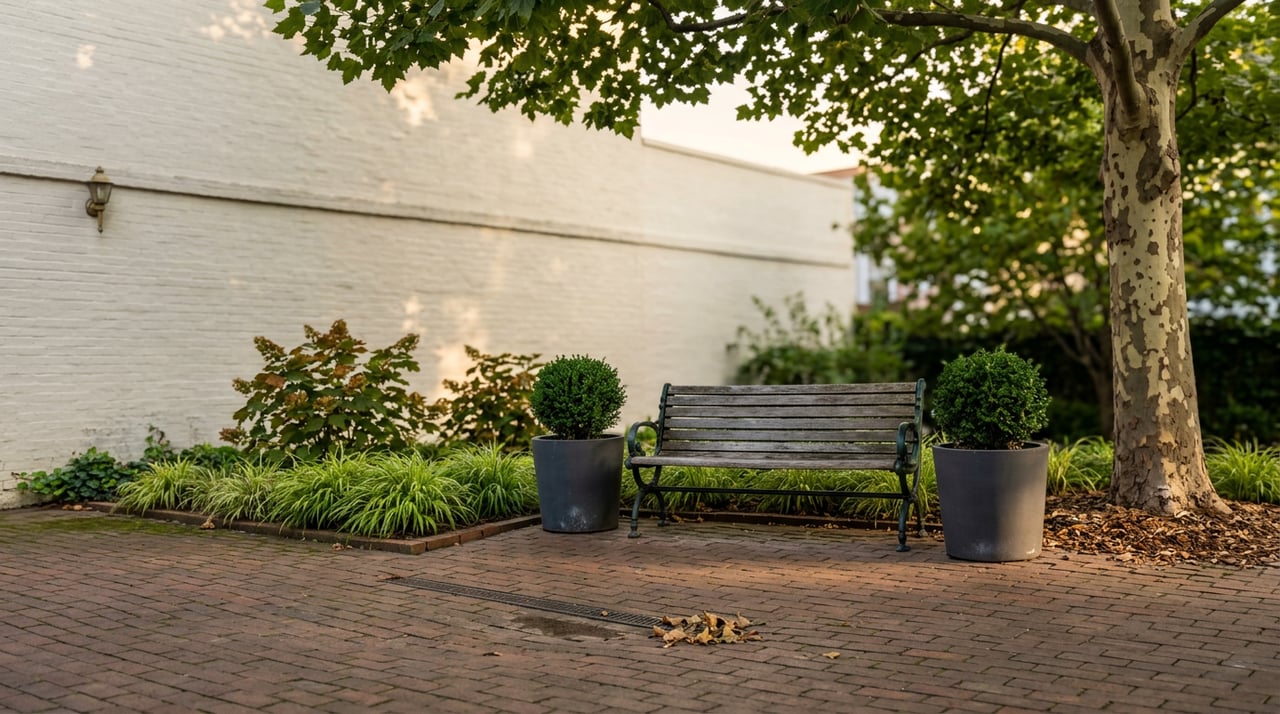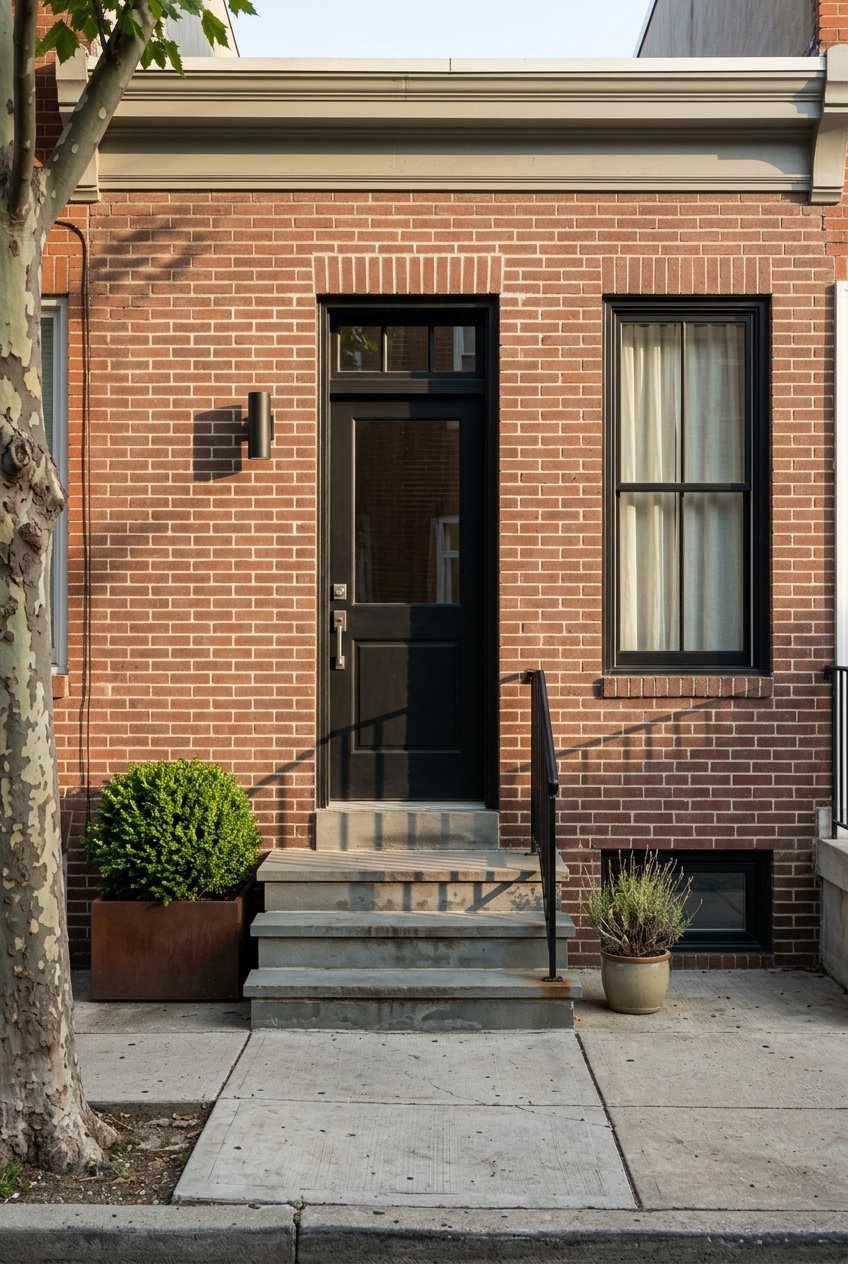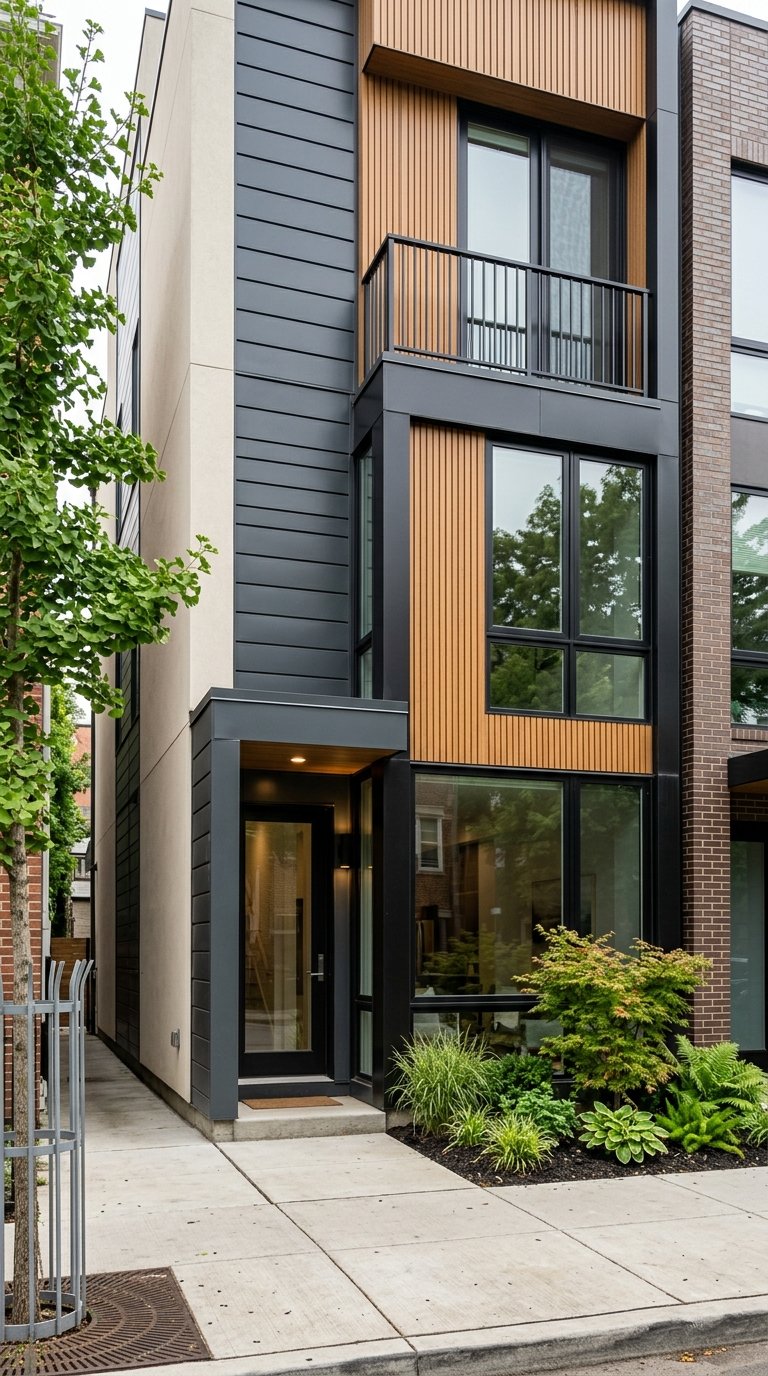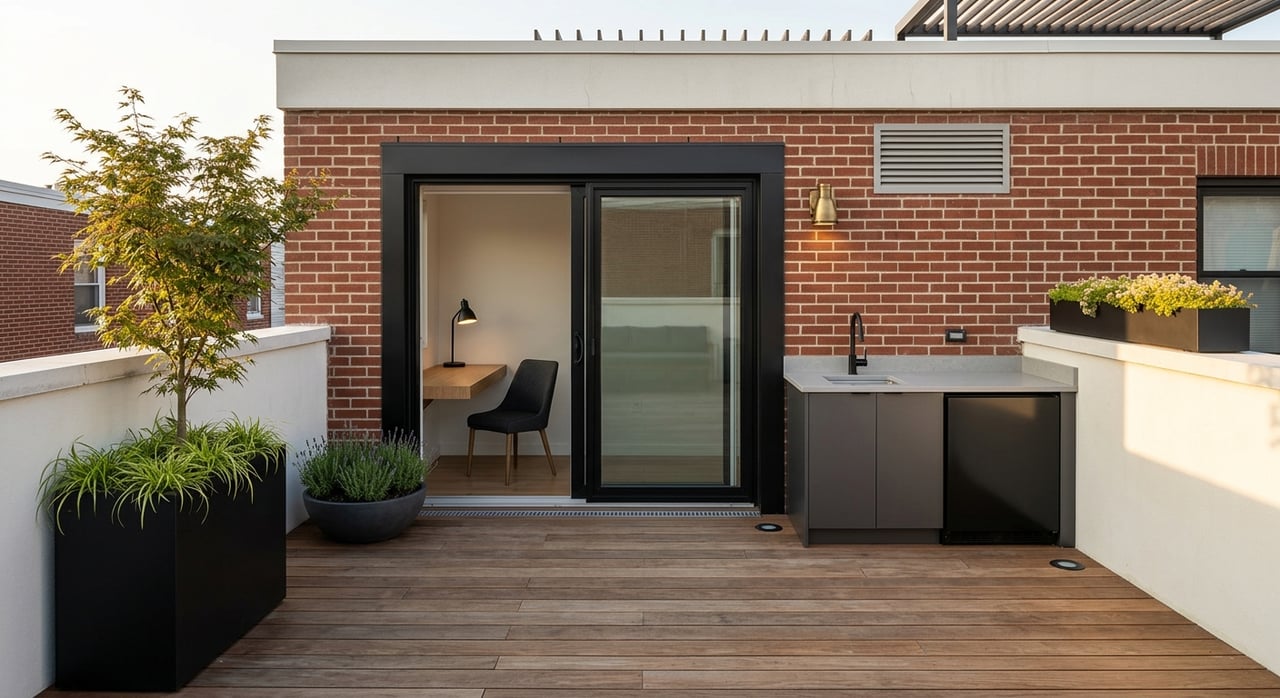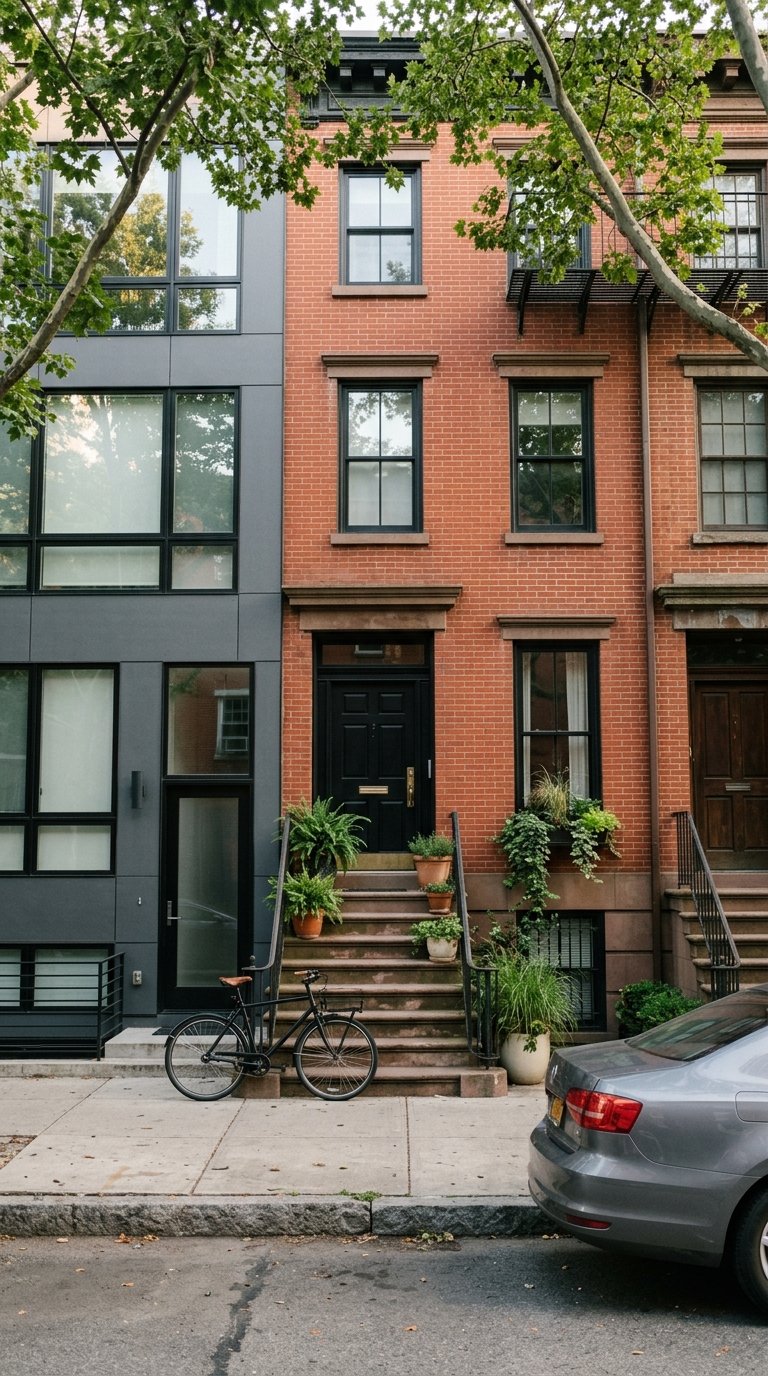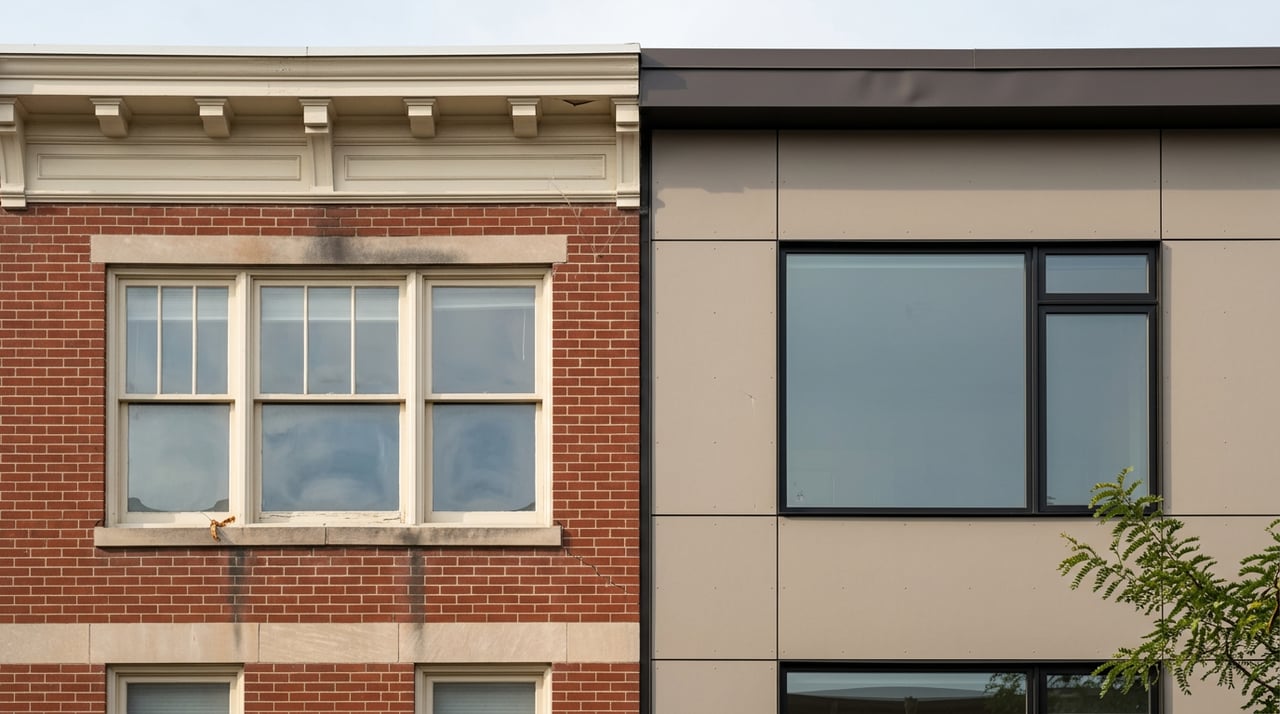
Open any portal and Graduate Hospital reads as a single number somewhere in the mid-$600s. Sit through three open houses on a Saturday and the number stops meaning anything. A gut-rehabbed trinity off South Street West, a 20-foot-wide brick rowhome on a Chadwick Street block, and a new-build townhome with a garage and roof deck can all land within $40,000 of each other on the sticker, and none of them are the same product.
The median is a mixing bowl. Three very different housing types compete on the same tax parcel map, and the one variable most buyers underweight, the phased 10-year tax abatement, quietly changes which of the three is actually the cheapest to own five years from now.
The thesis, stated plainly
In a 0.391-square-mile neighborhood where trinities, standard rowhomes, and new-construction townhomes all trade against the same "comps," the sticker price is the least interesting number on the listing. The two numbers that decide your five-year cost are the price per square foot and the year the abatement was filed. Get those two right and Graduate Hospital stops feeling like a coin flip.
Three products, one median
The neighborhood spans roughly South Street to Washington Avenue and the Schuylkill to Broad, and inside that grid you are shopping across at least three distinct product types at once.
The trinity. One room per floor, stacked. Historically the smallest and cheapest way into the neighborhood, though a well-executed rehab, with a semi-buried kitchen and a roof deck, can push a trinity into what Philadelphia Magazine once called "luxury trinity" territory. Square footage is the constraint. Storage is the constraint. Resale liquidity is the constraint.
The standard brick rowhome. Two or three stories, often extended in the back, sometimes with a finished basement. This is the neighborhood's workhorse. The best examples sit on tree-lined blocks with limestone lintels and original stair runs. The worst examples were flipped fast in the last cycle and are now showing it.
The new-construction or gut-rehab townhome. Full-floor primary suites, roof decks with skyline views, sometimes attached parking, frequently found in gated infill projects like Innovator Village or in stand-alone builds along blocks that had vacant lots a decade ago. Naval Square, the gated community on the former U.S. Naval Home site, sits in its own category but competes for the same buyer.
Movoto pegged the neighborhood's average price per square foot at roughly $389 in December 2025, but that average is doing the same trick the median does. Trade a trinity for a new build at the same price and you are usually giving up 400 to 700 square feet of finished space in exchange for taxes that look better on paper for the first few years. Whether that trade works depends entirely on how long you plan to stay.
| Product | Typical size | What you give up | What you gain |
|---|---|---|---|
| Trinity | 900–1,300 sq ft | Storage, primary-suite scale, easy resale to families | Lower entry price, character, walkable blocks |
| Standard rowhome | 1,400–2,200 sq ft | New-build finishes, roof deck as standard | Layout flexibility, likely full property taxes |
| New-build townhome | 2,000–2,800 sq ft | Higher $/sq ft, HOA in some projects | Abatement years remaining, garage, roof deck |
The abatement is the hidden price tag
Philadelphia's 10-year residential tax abatement used to be a flat 100% for the full decade. For any application filed on or after January 1, 2022, the abatement now phases down ten percentage points per year, starting at 100% in year one and ending at 10% in year ten. The city's combined real estate tax rate is 1.3998%, split between a 0.6159% city rate and a 0.7839% school district rate.
Two consequences most buyers miss:
- A new-build listed today with a fresh abatement is not the same product as a new-build sold in 2023 with three years already burned off.
- An abated property cannot claim the Homestead Exemption until the abatement ends, so the "obvious" $80,000 deduction other owners use is not on the table.
Here is what that looks like in practice. Assume two Graduate Hospital listings both priced at $700,000. One is a 2018 renovated rowhome carrying a full assessment. The other is a 2025 new-build with a fresh phased abatement, with the land assessed at $110,000 and the improvement at $500,000.
- The rowhome owner pays roughly the full 1.3998% on the assessed value from day one.
- The new-build owner pays the land portion in full and a declining share of the improvement portion. In year one the improvement is fully exempt. In year six they are paying the tax rate on 50% of that $500,000 improvement value. In year ten they are paying on 90% of it.
- Layer in the mid-abatement reassessments the Office of Property Assessment is permitted to do and the "savings" are less a fixed number than a moving target.
For a buyer planning to hold five years, the new-build likely wins on total carrying cost. For a buyer planning to hold twelve, the math flips, and the rowhome, with its Homestead Exemption available and no scheduled step-ups, can end up cheaper by the back half of the hold.
The right question at the open house is not "what is the tax bill." It is "what year of the abatement schedule am I buying into, and what does year five look like."
Why the "weird" 2026 pace matters here
The Philadelphia Inquirer reported in July 2026 that local agents keep using the word "weird" to describe the current market. Homes that sat all fall went under contract in winter. A listing that idles for 30 days can suddenly attract multiple offers the same week. Graduate Hospital and Fishtown were both cited by name.
The rolling three-month data for the period ending May 2026 backs up the mixed signal. Typical values in Graduate Hospital were up roughly 14% year over year against about 3% for the broader Philadelphia market. Median days on market stretched to about 49 days, longer than the year prior. Sale-to-list still sat just under 100%, and roughly 22% of closings crossed above list. Months of supply came in around 3.6 versus 4.8 citywide.
Read those numbers together and a pattern emerges. Buyers have more time than they did in 2023 and 2024, but they do not have more options at any given price point, because inventory is stretched across those three product types unevenly. Trinities under $500,000 move fast when they are clean. New-builds over $900,000 sit longer, especially when the abatement clock has already started ticking. The standard rowhome in the middle is where the multiple-offer surprises are showing up, because it is the deepest buyer pool and the thinnest supply.
What this changes about your search
- Sort your Graduate Hospital saved search by $/sq ft, not by price. The median hides the product mix; the per-foot number surfaces it.
- Ask the listing agent for the abatement filing date in writing. Not "does it have an abatement" but "when does year one end." The answer determines your year-five tax bill.
- If you are looking at anything built or gut-rehabbed after 2022, price the year-six tax bill into your affordability model, not the year-one bill your lender will quote.
- On rowhomes without an abatement, confirm the Homestead Exemption is either active or transferable at closing.
- Treat days-on-market above 40 as an invitation to inspect harder, not as leverage on price. Sale-to-list near 100% means the discount you are hoping for is not usually there.
The neighborhood works when the product fits the hold period. A trinity is a great five-year home and a difficult twelve-year home for a growing household. A new-build with a fresh abatement is a great five-year home and a math problem at year eight. A standard rowhome is the closest thing Graduate Hospital has to a default answer, which is why it is also the most competitive tranche of the market right now.
FAQ
Is the abatement transferable if I buy a home mid-schedule?
Yes. The abatement stays with the property, not the original owner. If a 2023 new-build sells to you in 2026, you inherit whatever years remain on that specific schedule. Confirm the exact filing date and the year the schedule started with the seller and, ideally, with the city's Office of Property Assessment before removing contingencies.
Why do two homes on the same block have such different tax bills?
Land and improvement values are assessed separately, abatements attach to the improvement portion, and the OPA can reassess mid-cycle. Two homes with similar sale prices can carry very different taxable bases depending on when they were built, when they were rehabbed, and whether the current owner ever applied for Homestead.
Does the phased abatement make new construction a bad deal?
Not on its own. It compresses the window during which the tax savings are large. If you plan to hold ten-plus years, model the full ramp. If you plan to hold three to five, the phased abatement still meaningfully lowers your carrying cost in the years you actually own the home.
Where can I compare Graduate Hospital against similar Center City-adjacent options?
The Graduate Hospital neighborhood guide and the adjacent Fitler Square, Fairmount, and Bella Vista pages are the fastest way to line up product mix, price bands, and walkability against Graduate Hospital before you commit to a Saturday of tours.
If you are trying to decide which of these three Graduate Hospital products fits your budget and your hold period, The Stawasz Group can pull the abatement schedule, the assessed values, and the recent per-square-foot comps on any listing you are considering, and walk you through what the year-five bill actually looks like before you write the offer.