Selling a rowhome in Fishtown can feel like walking a pricing tightrope. You want to maximize your sale, but you also do not want to sit on the market while buyers pass by for homes that feel sharper or better priced. If you are getting ready to sell, the good news is that a focused prep plan and a realistic pricing strategy can help you stand out. Let’s dive in.
Why Fishtown pricing takes nuance
Fishtown remains one of Philadelphia’s more premium and active neighborhoods, but buyers are paying attention to value. Recent market snapshots show a March 2026 median sale price of $458,000 in Fishtown according to Redfin, while Zillow reported an average home value of $383,665 and a median list price of $447,150. Realtor.com reported a $554,000 median listing price, 191 homes for sale, a 35-day median time on market, and sales closing about 1.35% below asking.
Those numbers do not conflict as much as they might seem. Each platform uses different samples and methods, so the bigger lesson is that you should not price your home off one headline number. In Fishtown, smart pricing starts with similar comps, not broad neighborhood averages.
Citywide context matters too. Redfin reported a March 2026 median sale price of $275,000 for Philadelphia overall, with homes taking about 61 days to sell. That tells you Fishtown is still a stronger pocket of the city, but it does not mean every listing will trigger a bidding war.
What buyers notice in Fishtown rowhomes
In this neighborhood, the feature mix often matters just as much as square footage. Recent sold and active listings repeatedly highlight garage or off-street parking, roof decks, rear patios or yards, balconies, open main floors, strong natural light, updated kitchens and baths, finished basements, and move-in-ready finishes.
That means two homes with similar size can land in very different price ranges. A rowhome without parking or outdoor space may not compete directly with a newer home that has a garage, a private roof deck, and polished finishes. Buyers in Fishtown tend to compare lifestyle value as much as floor plan.
Use the right comps, not the closest comps
A good pricing strategy starts with the right comparison set. You want to compare your rowhome by bed and bath count, square footage, renovation quality, parking, outdoor space, and ownership structure.
For example, recent Fishtown sales show how wide the range can be:
- 2668 Tilton St sold for $370,000 with 2 bedrooms, 2.5 baths, and garage parking
- 2675 Edgemont St sold for $393,333 with 2 bedrooms, 2.5 baths, and an attached one-car garage
- 636 Belgrade St Unit A sold for $455,000 with 2 bedrooms, 3 baths, and three outdoor spaces including a roof deck
- 1230 Leopard St sold for $562,000 with 2 bedrooms, 3 baths, a private roof deck, and a rear patio
- 2504 E Norris St sold for $819,000 with 4 bedrooms, 3 baths, private parking, and a roof deck
- 1323 Crease St sold for $960,000 with a garage, two additional parking spots, and a large backyard
The takeaway is simple: your best comp is not always the nearest sale. A smaller renovated home with strong outdoor space may be more relevant than a larger outdated one a block away. Likewise, a home with no parking should not be priced against one with a garage and HOA-managed common elements.
How to prep before you price
Before you settle on a list price, make sure your home is being judged on its strengths rather than its distractions. Buyers shop online first, and your list price only works if the condition and presentation support it.
For most Fishtown rowhomes, the highest-return prep work is practical and visual rather than dramatic. That usually means cleaning, decluttering, touch-up paint, small repairs, curb appeal, and professional photography instead of expensive cosmetic projects.
Fix the issues buyers worry about most
Pennsylvania seller disclosures require you to address and disclose material issues, so start there. If your home has roof concerns, basement moisture, plumbing leaks, HVAC problems, electrical defects, structural cracks, pest issues, or unpermitted additions or remodels, those deserve attention early.
Even if you decide not to complete every repair, you should understand the condition before you hit the market. Surprises during a buyer inspection can hurt your leverage and often cost more later.
Focus on the rooms that drive clicks
According to the 2025 NAR staging report, buyers’ agents said staging helps buyers visualize a home, and many sellers’ agents said it can reduce time on market. The same report identified photos, traditional staging, video tours, and virtual tours as the most important listing elements.
The rooms that matter most are also very practical for a rowhome seller to prioritize:
- Living room
- Kitchen
- Primary bedroom
- Dining area
- Outdoor spaces
If you only have time or budget for selective prep, start there. Bright, clean, well-edited spaces can make your home feel larger, calmer, and more move-in ready.
Make outdoor space count
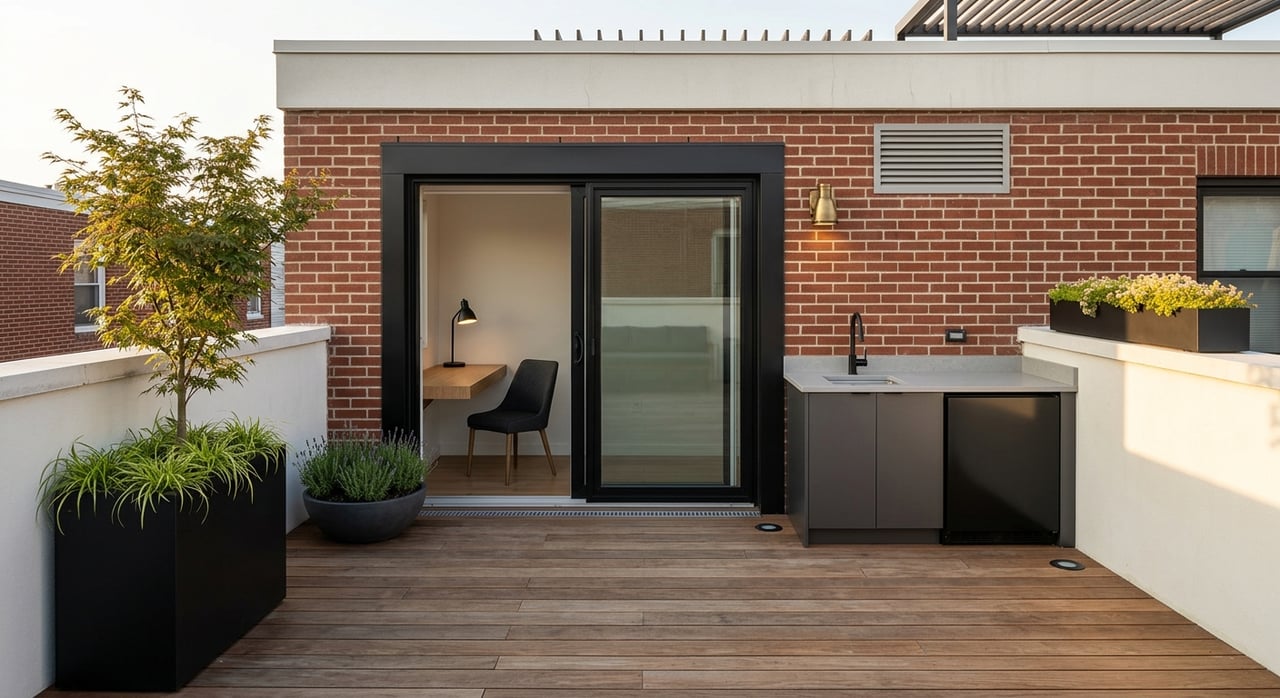
In Fishtown, outdoor living is a real selling point. If you have a porch, rear patio, balcony, shared yard, or roof deck, stage it like usable square footage.
That can be as simple as cleaning surfaces, adding a few seats, and making sure the space photographs well. Buyers often respond strongly to lifestyle features, especially when the interior footprint is compact.
Do not overlook the front exterior
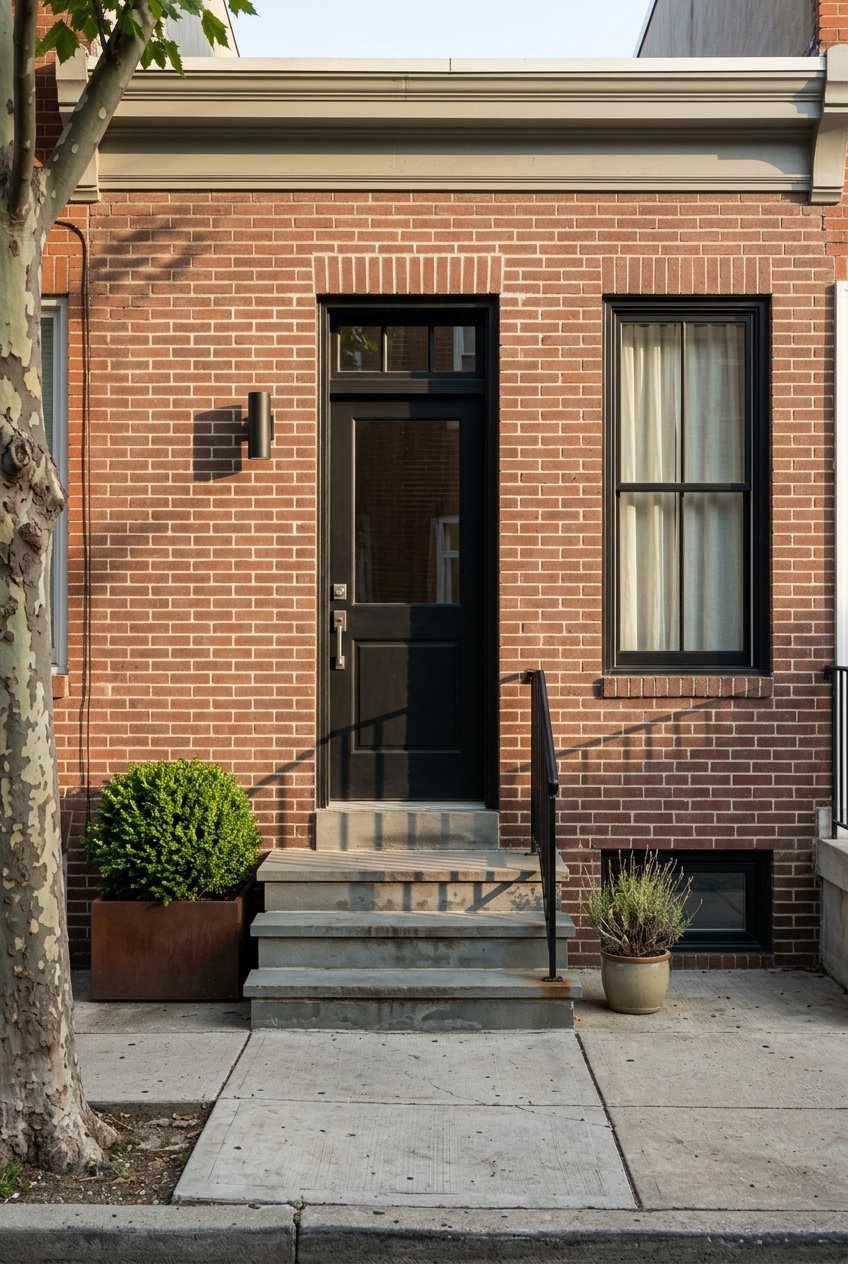
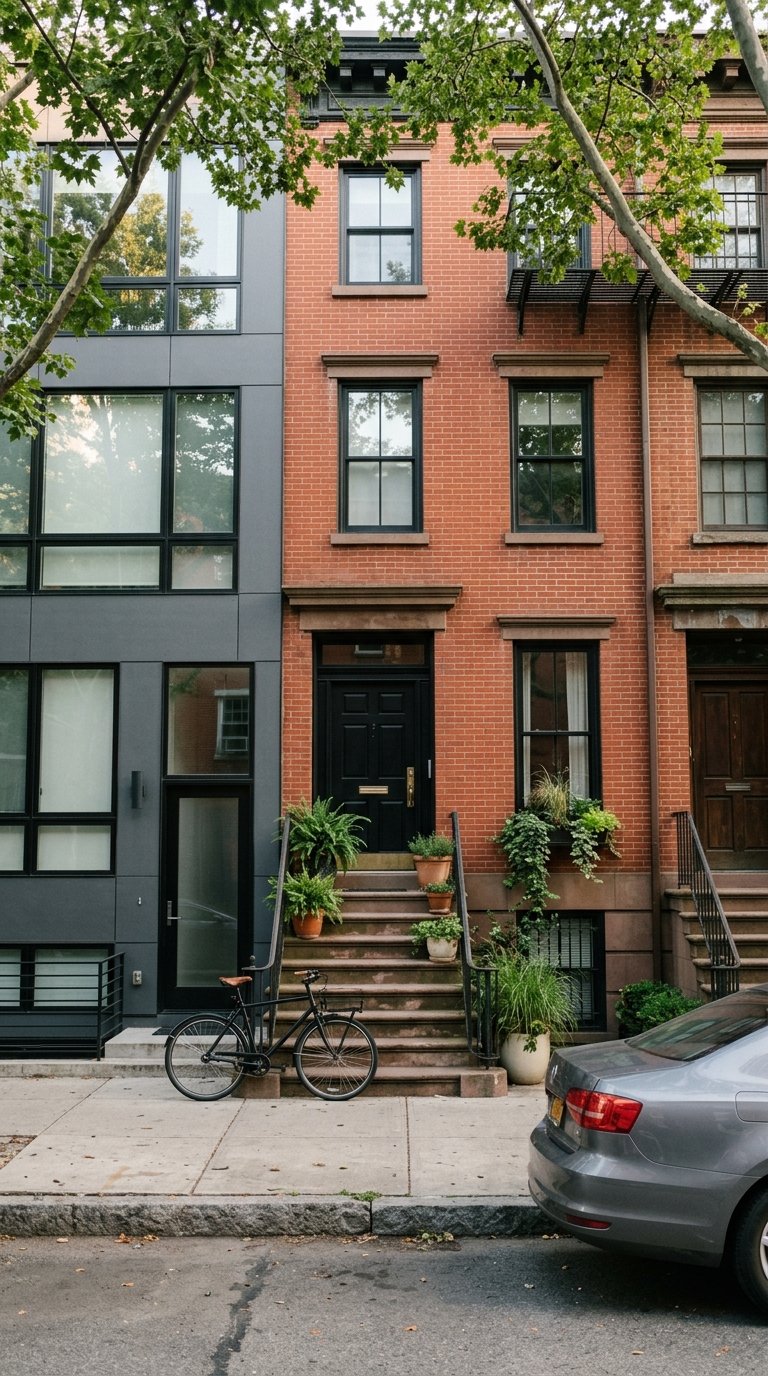
Your exterior sets the tone before buyers ever walk in. Cleaning the façade, refreshing the front door area, and improving the entry path can help your rowhome read as cared for and current.
This matters in person, but it also matters in listing photos. In a neighborhood full of brick facades and similar housing stock, small visual upgrades can help your home stand out in search results.
Basement and radon considerations
If your rowhome has an unfinished basement, or if a future buyer may want to finish it, radon is worth thinking about before listing. Pennsylvania’s radon guidance notes that buyers often ask for test results, want to know if elevated levels were reduced, and may want testing in basement areas they plan to finish.
If you have already tested for radon, those results must be disclosed when the home is sold. Handling that information early can help you avoid last-minute stress once negotiations begin.
Pricing strategy for today’s market
In a selective market, the best list price is usually the one that creates confidence right away. Overpricing can make buyers hesitate, and in Fishtown that can mean more days on market and more room for negotiation.
That is especially important because the broader data suggests buyers are still price-aware. Realtor.com reported recent Fishtown sales closing about 1.35% below asking, while Redfin describes the Philadelphia market as somewhat competitive with about two offers per home on average citywide.
A good pricing plan usually includes three steps:
- Build a tight comp set using homes with similar size, finish level, parking, and outdoor space.
- Adjust for feature gaps so you are not comparing a standard rowhome to a premium townhouse product.
- Position the list price strategically so buyers feel they are seeing fair value the moment your home goes live.
In other words, the goal is not to chase the highest neighborhood number. The goal is to attract the right buyers fast enough that your home stays fresh and competitive.
Plan for seller costs and disclosures
Before listing, it helps to understand the paperwork and costs that can affect your net proceeds. Philadelphia’s Realty Transfer Tax is 4.578% of the sale price or assessed value plus assumed debt, and it is usually split evenly between buyer and seller, though that split is negotiable.
Pennsylvania also requires a signed and dated seller disclosure statement before the agreement of transfer. The form covers major topics like the roof, basement or crawl space, structural issues, additions and remodeling, water and sewer, plumbing, HVAC, electrical, hazardous substances, HOA matters, title issues, and stormwater facilities.
If your home was built before 1978, federal lead-based paint rules apply as well. That includes required disclosures, any available reports or records, a warning statement, and a 10-day opportunity for the buyer to conduct a lead inspection.
A practical Fishtown seller checklist
If you want to simplify your next steps, start here:
- Review recent comps that truly match your home
- Identify your top value drivers like parking, roof deck, patio, or finished basement
- Fix visible condition issues that could hurt buyer confidence
- Declutter and deep clean key living spaces
- Touch up paint and minor cosmetic wear
- Stage the main rooms and any outdoor areas
- Schedule professional photography
- Gather disclosure information early
- Confirm any past radon testing results
- Price based on evidence, not optimism alone
Why local strategy matters
Selling in Fishtown is not just about putting a home on the MLS and hoping the neighborhood carries the listing. Block-by-block differences, finish level, parking, and outdoor space can all change how buyers respond.
That is why sellers usually benefit from advice that blends neighborhood knowledge with a practical eye for condition, renovation level, and resale positioning. In a rowhome market, details matter, and the details often drive the final number.
If you are thinking about selling a Fishtown rowhome, The Stawasz Group can help you build a prep plan, study the right comps, and price with a clear strategy for today’s market.
FAQs
How should you price a Fishtown rowhome before listing?
- You should price it using recent comparable sales with similar bedrooms, bathrooms, size, finish level, parking, outdoor space, and ownership structure rather than relying on a neighborhood median alone.
What home features help a Fishtown rowhome sell?
- Features that often stand out include garage or off-street parking, roof decks, rear yards or patios, balconies, open main floors, natural light, updated kitchens and baths, finished basements, and move-in-ready finishes.
What should you fix before selling a rowhome in Philadelphia?
- You should start with visible or material issues like roof problems, basement moisture, plumbing leaks, HVAC concerns, electrical defects, structural cracks, pest issues, and unpermitted additions or remodels.
What seller disclosures are required for a Philadelphia home sale?
- Pennsylvania requires a signed seller disclosure statement before the agreement of transfer, and older homes built before 1978 also require lead-based paint disclosures under federal law.
What seller taxes should you expect in Philadelphia?
- Philadelphia Realty Transfer Tax is 4.578% of the sale price or assessed value plus assumed debt, and it is commonly split between buyer and seller, though the split can be negotiated.
Should you test for radon before selling a Fishtown rowhome?
- It can be worth considering, especially if the basement is unfinished or may be finished later, because buyers often ask about radon results and Pennsylvania requires disclosure if radon has already been tested.