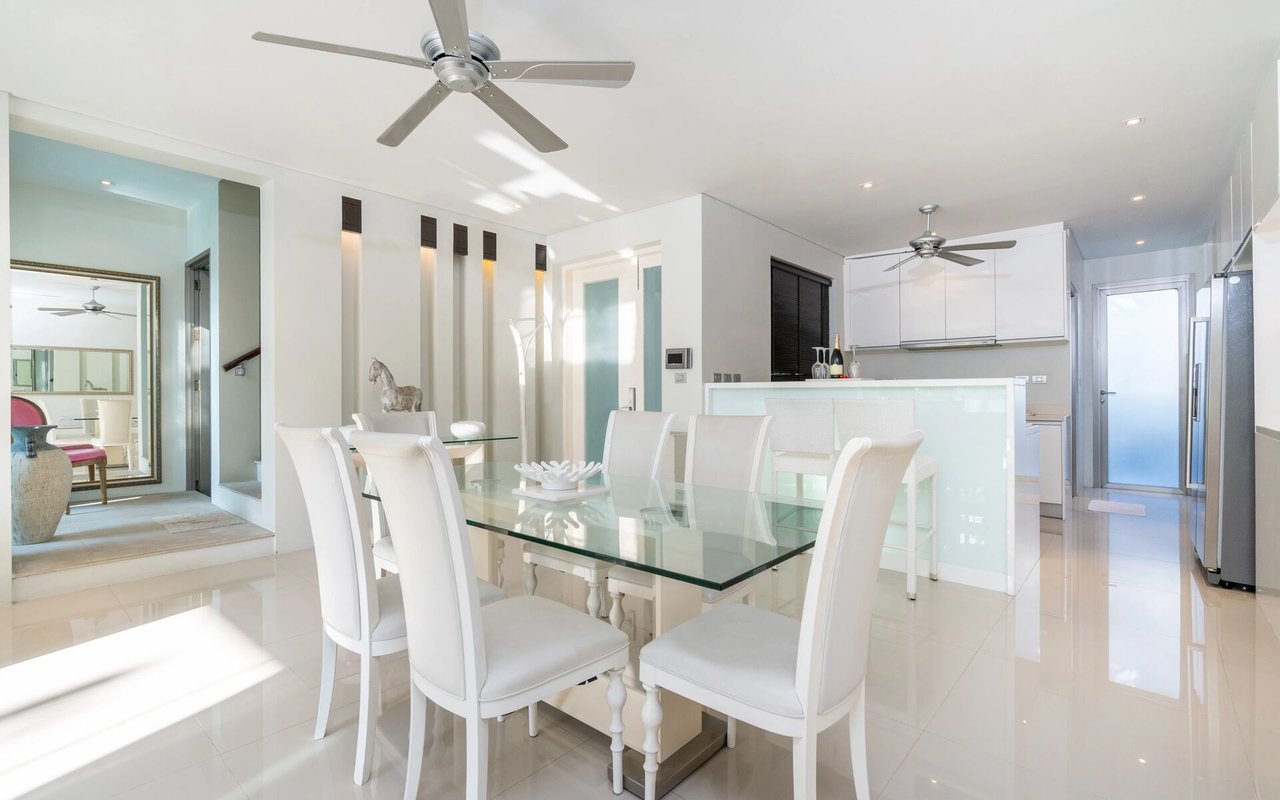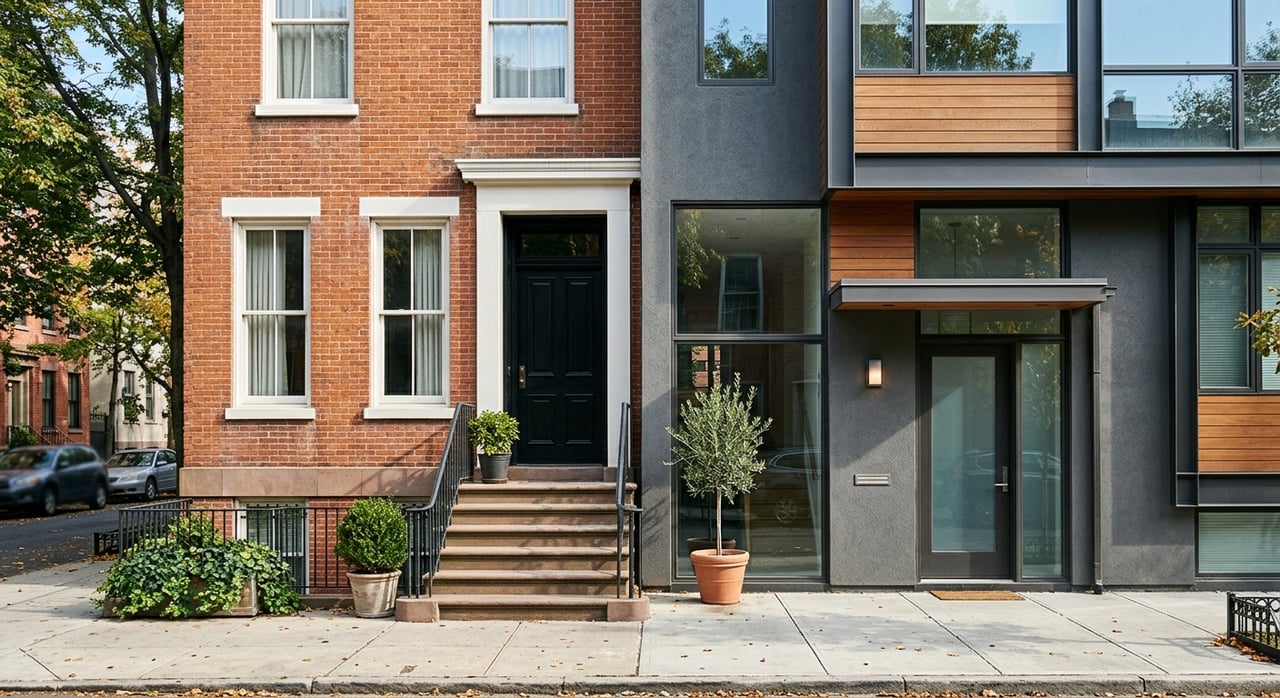
Trying to choose between a condo and a townhome in Graduate Hospital? You are not alone. In a neighborhood where many homes can look similar from the street, the bigger difference often comes down to ownership structure, monthly costs, and how you want to live day to day. If you are weighing convenience, privacy, resale, and long-term value, this guide will help you compare both options with more clarity. Let’s dive in.
Why this choice matters in Graduate Hospital
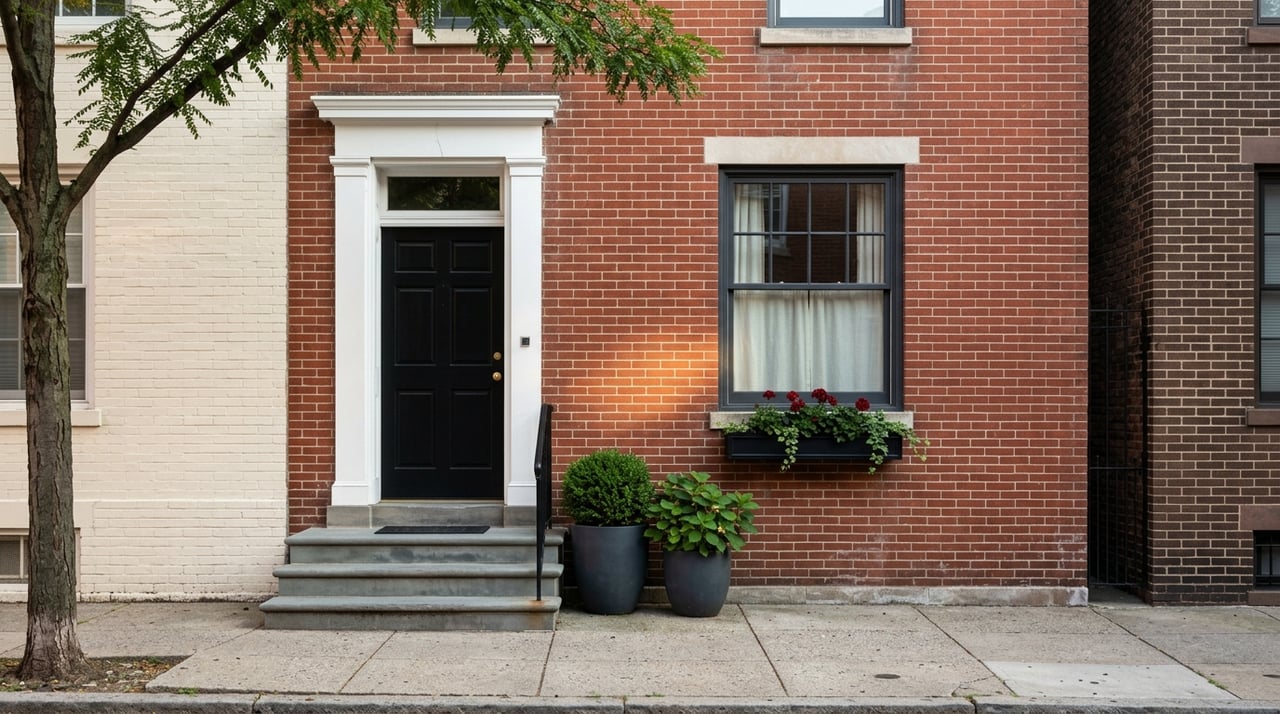
Graduate Hospital sits south of South Street and west of Broad Street, with a walkable setting that includes restaurants, cafés, shops, and quiet tree-lined blocks. The neighborhood still has a strong rowhome feel, which can make condos and townhomes look more alike than buyers expect.
That is why this decision takes more than a quick glance at photos or a listing headline. In Graduate Hospital, the better question is not just what the property looks like. It is how the home is legally owned, what the monthly carrying costs look like, and what that means for your lifestyle and future resale.
Graduate Hospital market context
This is a high-demand Philadelphia neighborhood. Recent market snapshots showed 131 homes for sale, a median listing price of $662,000, a median sale price of $633,300, and homes moving in about 25 days on market, depending on the source and reporting period.
For you as a buyer, that means your decision needs to be practical and fast. If you already know which tradeoffs matter most, you can compare listings more confidently and avoid getting distracted by labels that do not tell the full story.
Condo vs townhome basics
What a condo means
A condominium is a form of ownership where you own your individual unit and share ownership of common elements with other owners. Under Pennsylvania law, a property is not a condominium unless the undivided interests in the common elements are vested in the unit owners.
In plain English, that means a condo is defined by its legal structure, not just by the building style. A condo might be in a larger building, a boutique conversion, or even a property that feels more house-like from the outside.
What a townhome means
A townhome is generally a multilevel home attached to another home by a shared wall. It often feels more like a traditional house because it may include a private entrance and sometimes a private deck or patio.
But the word townhome does not automatically tell you how ownership works. Some townhomes are fee simple, while others are part of a planned community or HOA with shared rules, dues, and common responsibilities.
Why the label is not enough
In Graduate Hospital, many homes have a similar rowhome-style appearance. That can make it easy to assume a property functions like a house when the legal documents say something else.
Before you compare two homes, confirm the deed type, declaration, and governing documents. That is where you learn what you actually own, what you are responsible for, and what the association handles.
How maintenance differs
Condo maintenance responsibilities
Pennsylvania’s Condominium Act says the association is responsible for maintenance, repair, and replacement of common elements, while each owner is responsible for the unit unless the declaration says otherwise. That often makes condo ownership feel more hands-off.
If you want simpler day-to-day ownership, this can be a real benefit. You may spend less time thinking about shared building systems, exterior upkeep, or other common areas, depending on the project.
Townhome maintenance responsibilities
Townhomes can vary more. In a planned community, the association may maintain certain shared elements or common property, but you may still have more direct responsibility for the structure and lot.
That is why one townhome can feel very different from another. Some offer a low-maintenance setup, while others function much more like a traditional house with fewer shared responsibilities handled for you.
Compare monthly costs the right way
HOA dues matter more than the label
Many buyers assume condos always have higher monthly fees and townhomes always have lower ones. In reality, the better question is what the dues cover.
Condo dues typically help cover community operating costs and reserve contributions. But a townhome in an HOA or planned community can also have meaningful dues if the association maintains shared roofs, amenities, or other common assets.
Watch for special assessments
Special assessments are extra charges used for repairs, replacements, improvements, or operation of common areas. That means a property with a modest monthly fee can still become more expensive if the association has a major project coming up.
Before making an offer, ask whether there are any pending assessments and whether the association has a reserve fund. Those details can change the true cost of ownership in a big way.
Do not forget Philadelphia taxes
Your comparison should also include city-level taxes that apply whether you buy a condo or a townhome. Philadelphia’s Real Estate Tax rate is 1.3998% of assessed value, due March 31 each year.
If you will live in the home, the Homestead Exemption can reduce taxable assessment by $80,000 for eligible owner-occupants. Philadelphia also charges a Realty Transfer Tax of 4.578% of sale price or assessed value plus assumed debt when the deed is recorded. These costs can affect your budget enough to change which option makes more sense.
Think about privacy and daily living
Where townhomes often stand out
Townhomes usually feel more private because they often have a private entrance and a more house-like layout. That can be a strong advantage if you want a little more separation from neighbors or if you simply prefer a home that feels more self-contained.
That said, townhomes still share at least one wall with another home. In a neighborhood like Graduate Hospital, where rowhomes define many blocks, the privacy difference may be noticeable but not absolute.
Where condos vary more
Condos can range from smaller conversions to larger buildings, so the day-to-day experience depends heavily on the specific property. Sound transfer, shared spaces, and overall privacy can differ from one project to the next.
This is one area where seeing the home in person matters. Two condos in the same neighborhood can offer very different living experiences, even if they look similar online.
Financing and resale are important
Condo financing can be more project-sensitive
When you buy a condo, the home itself is only part of the financing picture. FHA condo loans require either an FHA-approved condominium project or single-unit approval, and project review can include insurance coverage, title, pending legal action, and physical condition.
Fannie Mae also notes that condo ineligibility can be tied to critical repairs, inadequate insurance, pending litigation, or project characteristics that do not meet lending standards. For you, that means a well-run condo association can support a broader buyer pool, while a weaker one can limit future resale demand.
Townhomes are not always simpler
It is easy to assume a townhome will automatically be easier to finance or resell. That is not always true.
If a townhome is part of a planned community or HOA, project-level rules can still matter. A townhome may be fee simple and straightforward, or it may carry shared obligations that affect both financing and the future buyer pool.
A simple decision framework
Lean toward a condo if
- You want a more streamlined ownership experience.
- You are comfortable paying dues for shared common areas and reserves.
- You are willing to review the association’s insurance, reserves, and overall health.
- You value convenience and are less focused on having a more house-like setup.
Lean toward a townhome if
- You want a private entrance and a more traditional home layout.
- You prefer a little more separation from neighbors.
- You are comfortable verifying whether the property is fee simple or part of an HOA or planned community.
- You want a home that may feel more like a classic Graduate Hospital rowhome.
Always verify these details
Before you compare offers, confirm:
- The deed type
- What the HOA dues cover
- Whether there is a reserve fund
- Whether any special assessments are pending
- Whether your lender needs project approval
In Graduate Hospital, the best choice is usually not condo versus townhome in the abstract. It is the specific property, the legal structure, the association health, and the total monthly and annual cost.
The smartest way to decide
If you are torn between the two, start with your lifestyle first and your documents second. Think about how much maintenance you want to handle, how important privacy is to you, and how comfortable you are with shared rules and fees.
Then pressure-test the numbers and paperwork. In a neighborhood as active as Graduate Hospital, that extra step can help you avoid surprises and choose a home that fits both your daily life and your long-term goals.
Whether you are buying your first place in the city or making a strategic move within Philadelphia, having local guidance matters. If you want help comparing condos and townhomes in Graduate Hospital, reach out to The Stawasz Group for practical, neighborhood-specific advice.
FAQs
What is the main difference between a condo and a townhome in Graduate Hospital?
- The main difference is usually the ownership structure. A condo means you own your unit and share ownership of common elements, while a townhome is typically a multilevel attached home, but it may still be part of an HOA or planned community.
Do Graduate Hospital condos always have higher monthly fees than townhomes?
- No. Monthly costs depend on what the HOA or condo dues cover. Some townhomes also have meaningful dues if the community maintains shared property or other common assets.
Are Graduate Hospital townhomes easier to finance than condos?
- Not always. Condos can involve more project-level lender review, but townhomes in planned communities can also have rules or structures that affect financing and resale.
What Philadelphia taxes should buyers compare for condos and townhomes?
- Buyers should factor in Philadelphia Real Estate Tax, which is 1.3998% of assessed value, and Realty Transfer Tax, which is 4.578% of sale price or assessed value plus assumed debt when the deed is recorded. Eligible owner-occupants may also benefit from the Homestead Exemption.
What should buyers review before making an offer on a Graduate Hospital condo or townhome?
- Review the deed type, governing documents, what the dues cover, whether there is a reserve fund, whether special assessments are pending, and whether your lender requires project approval.