Buying your first home in Graduate Hospital can feel exciting and intimidating at the same time. You want a neighborhood that fits your lifestyle, a home that fits your budget, and a process that does not surprise you halfway through. The good news is that with the right plan, you can make smart decisions from day one and avoid some of the most common first-time buyer mistakes. Let’s dive in.
Why Graduate Hospital appeals to first-time buyers
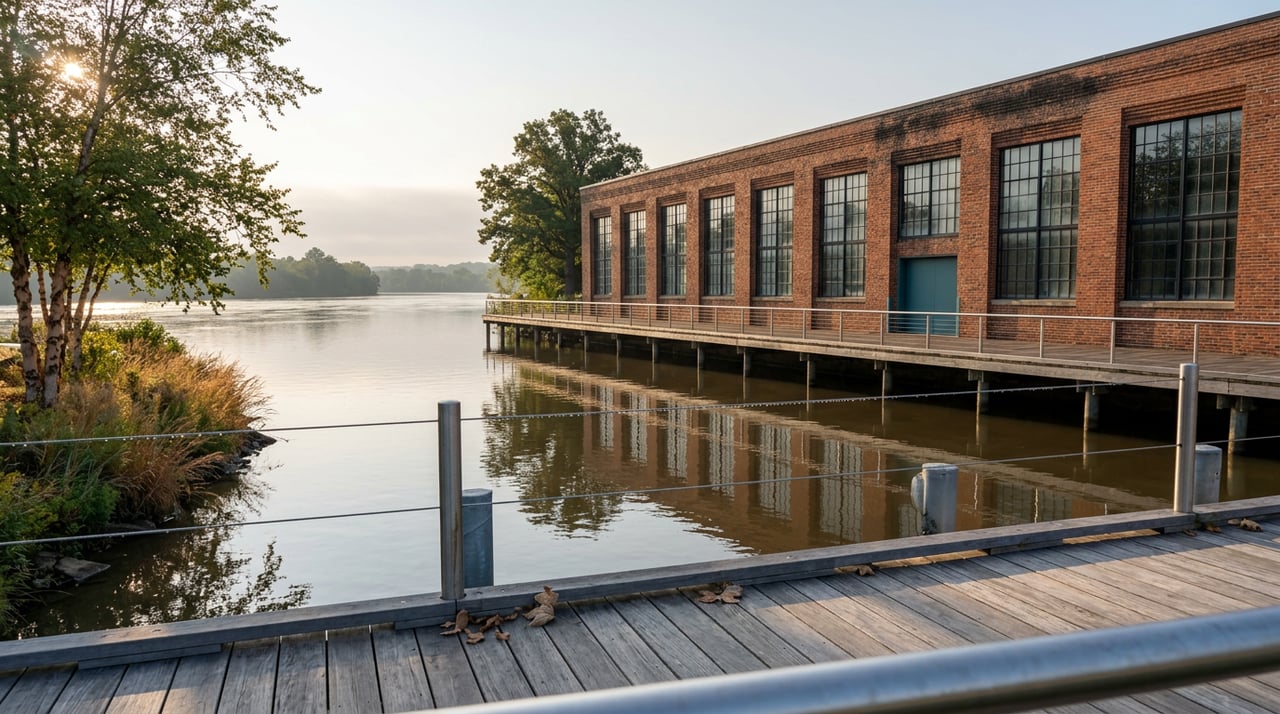
Graduate Hospital, also called Southwest Center City or South of South, offers a central Philadelphia location with strong day-to-day convenience. The neighborhood is generally described as running from Broad Street to the Schuylkill River and from Washington Avenue to South Street, and it is known for its walkable, transit-friendly layout.
That convenience is a big reason first-time buyers look here. Current mobility scores show a 95 Walk Score, 85 Transit Score, and 94 Bike Score, which can support a car-light or car-free lifestyle. If you want easier access to city amenities without relying on a car for every errand, Graduate Hospital can check a lot of boxes.
What the Graduate Hospital market looks like
If you are buying your first home here, it helps to know that the market is competitive, but not every listing behaves the same way. In March 2026, the median sale price in Graduate Hospital was $633,300, up 19.5% year over year. Median days on market were 75, the sale-to-list price was 98.2%, and 13.6% of homes sold above list price.
That tells you something important. You should be ready to act quickly when the right home comes up, but you should not assume every property will trigger a bidding war. Some homes receive multiple offers and move fast, while others sit longer closer to the neighborhood average.
What types of homes you will find
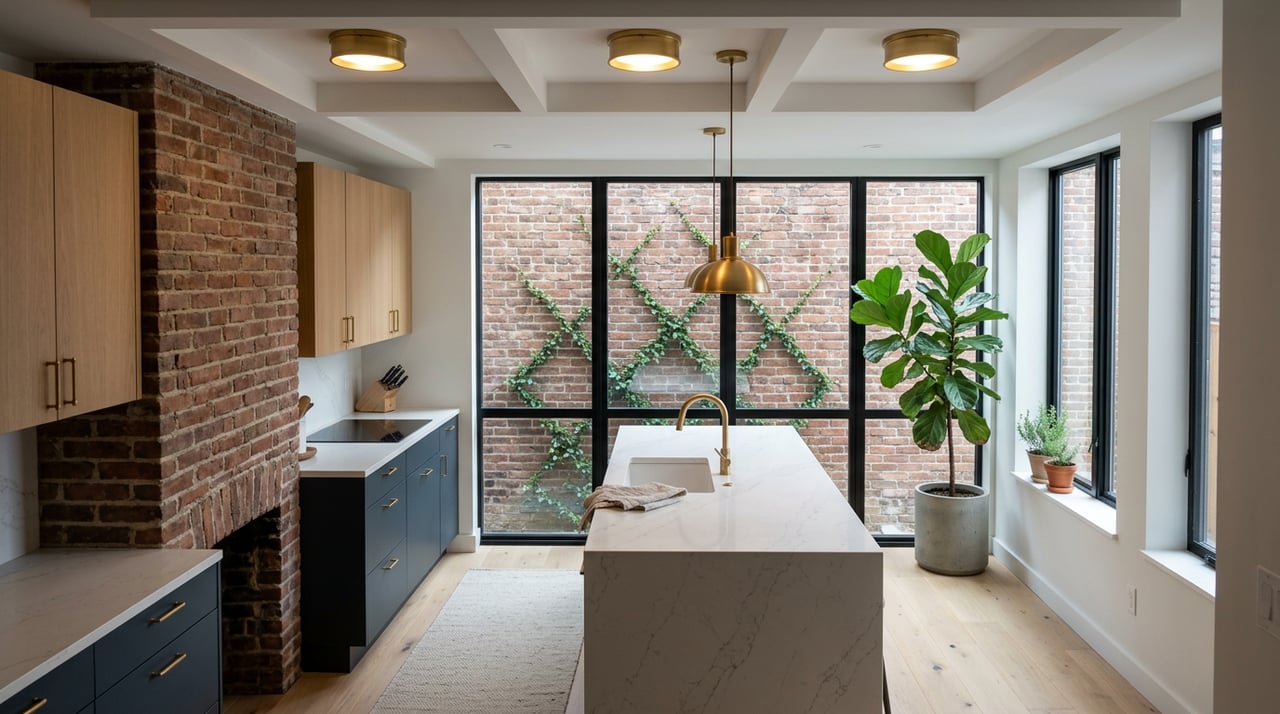
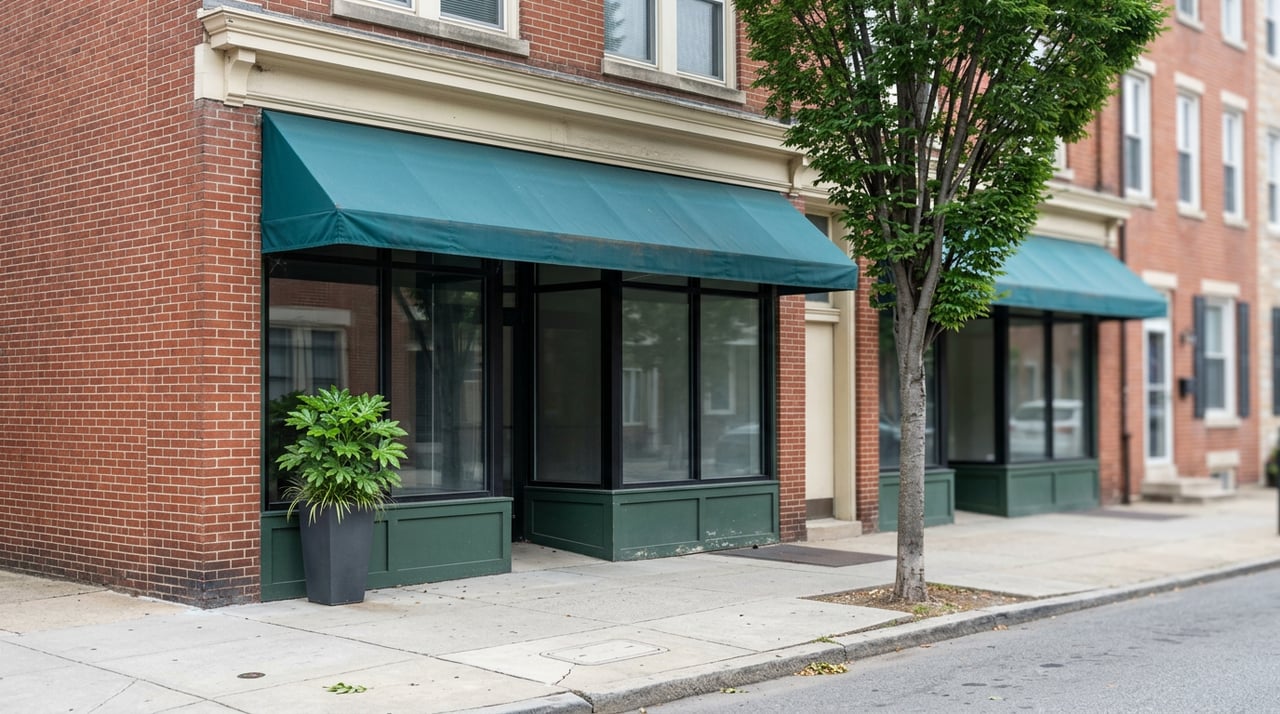
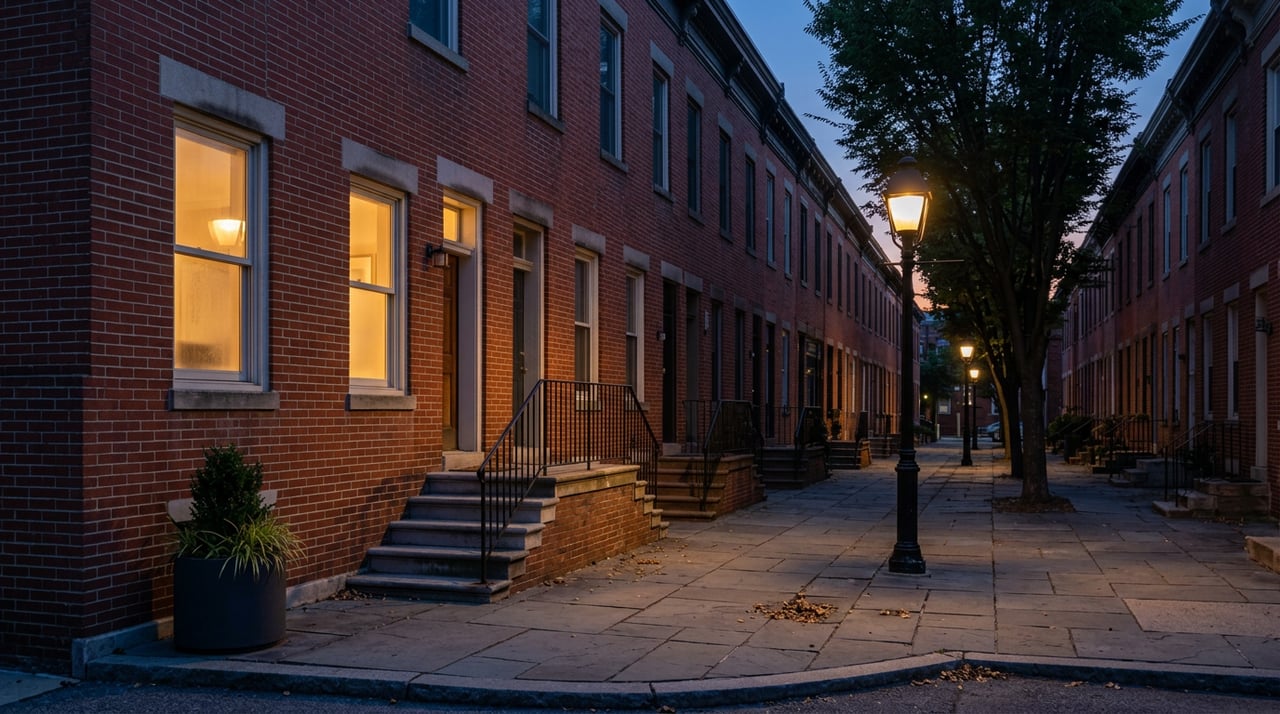
Graduate Hospital has a mix of townhouses, condos, and multi-family properties. You may see everything from smaller condo-style units to larger luxury townhouses and newer infill homes. That variety is part of what makes the neighborhood appealing, but it also means prices can vary sharply.
Two homes on nearby blocks can have very different values based on size, finish level, condition, and property type. A condo, a fee-simple attached house, and a newer construction townhouse may all price differently even if they seem close on a map. As a first-time buyer, you need to compare homes by ownership type and long-term costs, not just list price.
Set your budget beyond the down payment
One of the biggest first-time buyer mistakes is focusing only on the down payment. In Philadelphia, you also need to budget for closing costs, and one of the biggest local costs is the realty transfer tax.
Philadelphia’s total realty transfer tax is 4.578%, made up of a 3.578% city tax and a 1% Commonwealth tax. It is due when the deed is recorded. While this tax is often split between buyer and seller, the city can collect the full amount from either party, so you should treat it as a real cost that needs to be discussed early in your budget planning.
That does not mean you will always pay the full amount yourself. It does mean you should not assume the seller will cover your share unless that is clearly negotiated in the contract. For first-time buyers, this is one of the most important local numbers to understand before you start making offers.
Understand Philadelphia property taxes
Philadelphia’s Real Estate Tax rate is 1.3998% of assessed value. For a primary residence, the Homestead Exemption reduces the taxable portion of the property’s assessed value by $100,000. Starting in 2025, the city says most homeowners save about $1,399 per year through that exemption.
That can make a meaningful difference in your monthly housing costs. The city also notes that the annual tax bill is due March 31, so it is worth understanding how taxes will be handled through your mortgage escrow or direct payment plan.
Know how abatements can change ownership costs
Graduate Hospital has a mix of older homes, newer construction, and major rehabs. Because of that, Philadelphia’s property tax abatement program comes up often when buyers compare homes in the neighborhood.
The city says abatements can exempt all or part of the improvement value for a set number of years, including a 10-year residential abatement for new construction. That can lower ownership costs compared with a similar property that does not have an active abatement. If you are comparing two homes, this difference can matter just as much as the purchase price.
There is also an important tradeoff to know. Properties with a 10-year residential tax abatement are not eligible for the Homestead Exemption until the abatement expires. So if you are looking at newer construction, make sure you confirm the exact tax treatment instead of assuming all tax benefits stack together.
Use local first-time buyer assistance wisely
Philadelphia offers meaningful support for eligible first-time buyers. The city’s Philly First Home program can provide up to $10,000, or 6% of the purchase price, whichever is less, for down payment and or closing costs.
There is one major Graduate Hospital caveat. Philly First Home is limited to single-family homes or duplexes in Philadelphia, and condos are not eligible. Since condos are part of the neighborhood’s housing mix, that rule can affect which homes fit your financing strategy.
The city also requires buyers to complete a city-funded housing counseling program before signing the agreement of sale. If you think you may use this program, that step should happen early, not after you have already found a home.
PHFA is another resource worth exploring. PHFA offers home purchase loans with competitive interest rates, lower fees, and possible down payment and closing cost assistance through its programs. PHFA also directs buyers to begin with a PHFA-approved homebuyer counselor and a participating lender.
Compare older and newer homes carefully
One of the most important decisions in Graduate Hospital is whether you prefer an older attached home or a newer infill property. Neither option is automatically better. Each comes with its own tradeoffs.
Older homes may offer more character and an established streetscape. At the same time, they can come with more maintenance uncertainty, older systems, or renovation questions that are not obvious during a quick showing.
Newer homes may offer more modern layouts and possibly a tax abatement. But newer does not mean you should skip due diligence. You still want to verify construction quality, permit history, and exactly how the home is taxed.
Watch for historic district rules
Some Graduate Hospital buyers are surprised to learn that historic district status can affect future renovation plans. The neighborhood includes the Christian Street/Black Doctors Row historic district, and Philadelphia requires Historical Commission approval for work on historic property when the project requires a permit or changes the exterior appearance.
That does not mean you cannot make updates. It means you should confirm whether the home is in a designated historic district and understand what that could mean for future exterior projects. If you are buying with plans to change windows, doors, facades, or other exterior features, this step matters.
A smart first-home checklist for Graduate Hospital
Before you make an offer, try to confirm these items:
- The property type: condo, fee-simple attached house, duplex, or multi-family
- Whether Philly First Home would apply, especially if the property is a condo
- The estimated realty transfer tax and how it may be split in the transaction
- The current property tax treatment, including Homestead Exemption or abatement status
- Whether the home is in a historic district
- Permit history for major renovations or newer construction
- Expected maintenance needs based on the home’s age and condition
This is where local market knowledge can save you time and stress. In Graduate Hospital, the details behind the listing sheet often matter just as much as the photos.
How to compete without overreaching
As a first-time buyer, it is easy to think you need to be aggressive on every home. In Graduate Hospital, a better approach is to be prepared, informed, and selective.
Because the market is somewhat competitive, you want your financing, budget, and search criteria lined up before the right property appears. But because not every home moves at the same speed, you also want to avoid overpaying just because a listing looks polished online. The goal is to move quickly when it makes sense, not rush on every address.
Why local guidance matters here
Graduate Hospital is the kind of neighborhood where block-by-block differences can shape value, taxes, and long-term ownership costs. A newer townhouse may come with very different tax treatment than an older rowhome a few doors away. A condo may fit your lifestyle well but rule out a city grant you were counting on.
That is why first-time buyers benefit from guidance that goes beyond opening doors. You want help understanding pricing, property condition, ownership structure, and how each choice fits your goals now and later.
If you are thinking about buying your first home in Graduate Hospital, The Stawasz Group can help you sort through the neighborhood’s options with clear advice, local insight, and a strategy built around your budget and goals.
FAQs
What is the Graduate Hospital real estate market like for first-time buyers?
- Graduate Hospital is somewhat competitive. In March 2026, the median sale price was $633,300, median days on market were 75, and some homes received multiple offers while others took longer to sell.
Can you use Philly First Home for a condo in Graduate Hospital?
- No. The City of Philadelphia limits Philly First Home to single-family homes or duplexes, so condos in Graduate Hospital are not eligible.
How much is Philadelphia realty transfer tax when buying a home?
- The total Philadelphia realty transfer tax is 4.578%, including 3.578% city tax and 1% Commonwealth tax. It is due when the deed is recorded and is often split, but not guaranteed to be split, between buyer and seller.
Does a new construction home in Graduate Hospital get the Homestead Exemption?
- Not always. A property with a 10-year residential tax abatement is not eligible for the Homestead Exemption until the abatement expires.
Can you renovate any older home in Graduate Hospital however you want?
- Not necessarily. If a home is in a designated historic district, exterior work that requires a permit or changes the exterior appearance may need approval from the Philadelphia Historical Commission.
What should first-time buyers compare when choosing a Graduate Hospital home?
- Focus on property type, closing costs, transfer tax, tax treatment, abatement status, historic district status, permit history, and overall condition, not just the list price.