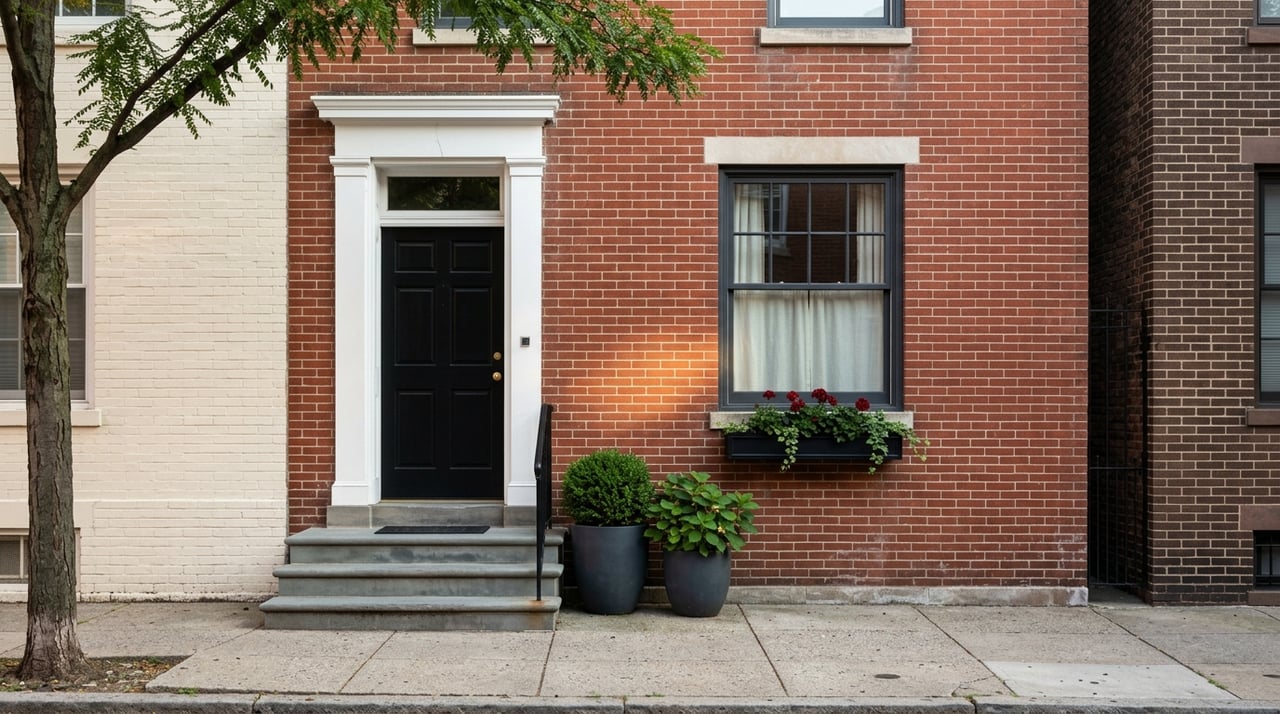
Looking for a Philadelphia neighborhood that feels connected to Center City without losing its residential character? Graduate Hospital often stands out for exactly that reason. If you are drawn to walkable blocks, classic brick rowhomes, river trail access, and a strong everyday neighborhood rhythm, this guide will help you picture what life here can really look like. Let’s dive in.
Why Graduate Hospital Feels Distinct
Graduate Hospital, also called Southwest Center City or South of South, generally stretches from Broad Street to the Schuylkill River and from South Street to Washington Avenue, according to SOSNA and Visit Philadelphia. That location puts you close to Center City while still giving many blocks a quieter, more residential feel.
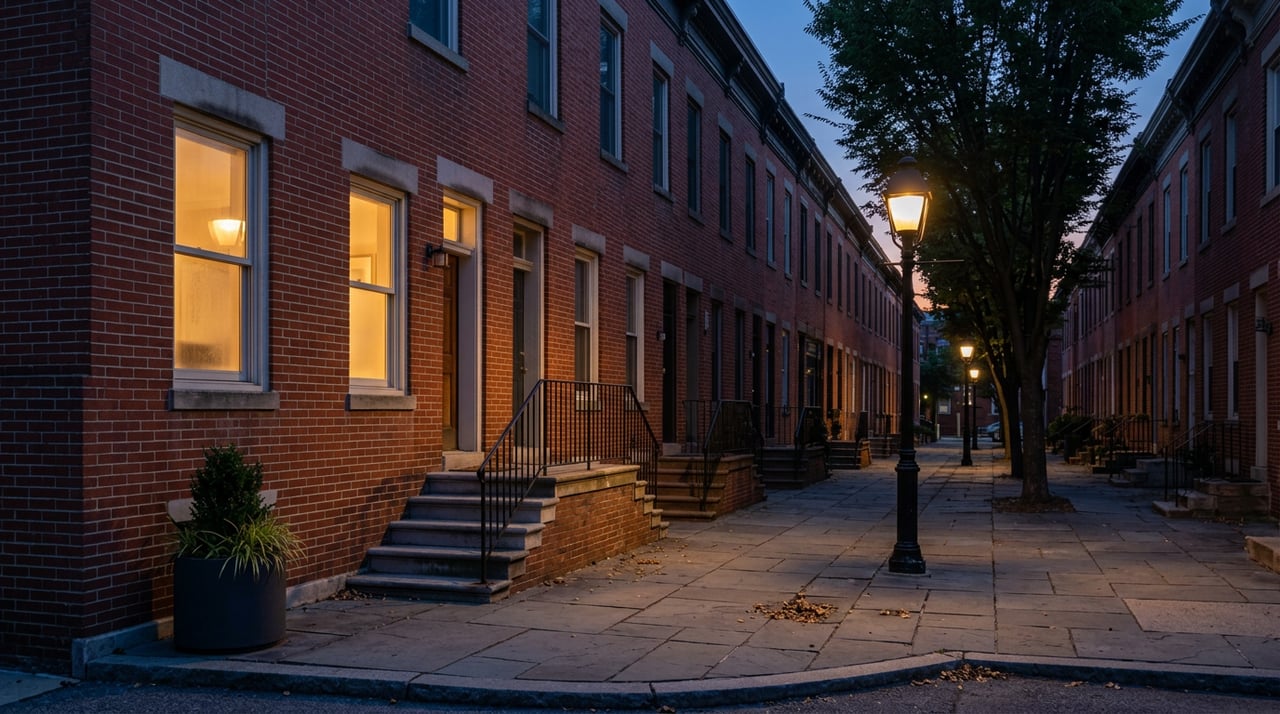
What gives the neighborhood its identity is the mix of urban convenience and rowhouse scale. Visit Philadelphia describes it as Center City’s backyard, with walkability, historic homes, and neighborhood businesses woven together. You are not stepping into a high-rise district here. You are stepping into a place that still feels tied to the street.
The neighborhood also carries a layered cultural identity. Visit Philadelphia’s neighborhood guide highlights local Black music history and the annual ODUNDE Festival, one of the nation’s largest Black and African celebrations. That broader context helps explain why Graduate Hospital feels more textured than a simple downtown-adjacent residential pocket.
Home Style in Graduate Hospital
If you picture Graduate Hospital correctly, you probably picture rowhomes first. That is the clearest housing story in the neighborhood.
Rowhomes Set the Tone
The city’s Christian Street/Black Doctors Row historic district nomination notes that many homes in that district are three-story brick rowhouses built between the 1860s and 1890s. A Southwest Center City report from NOWAC also notes that an 1895 atlas showed the neighborhood lined with rowhouses.
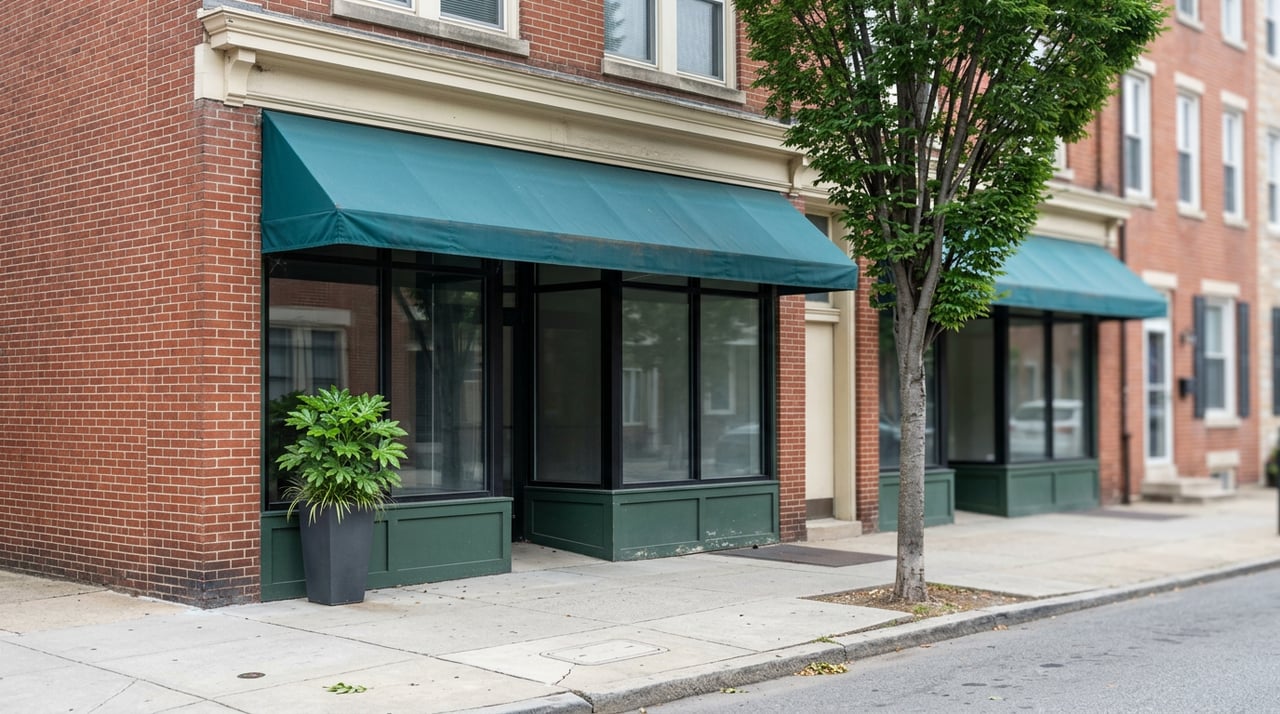
That history still shows up in the streetscape today. Wider streets often feature three-story homes, while narrower streets more often have two-story homes. The result is variety, but it still reads as cohesive and neighborhood-scaled rather than oversized.
Renovated and Modern Options Exist Too
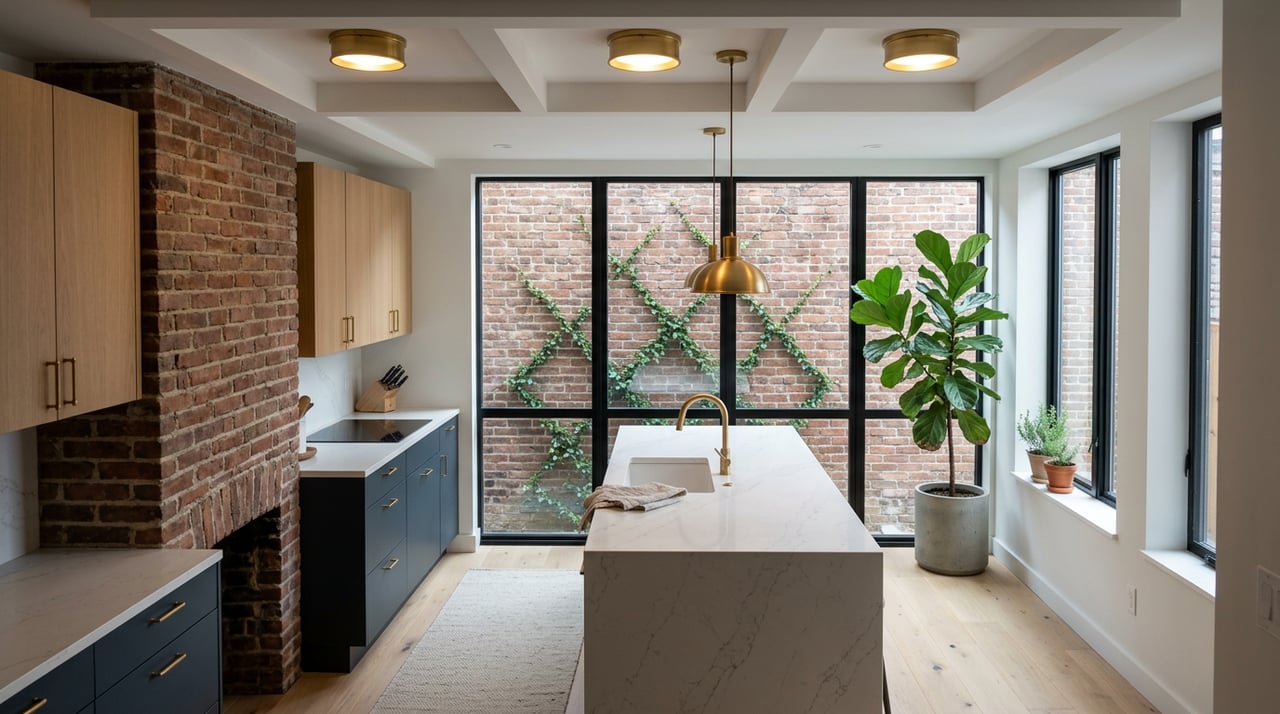
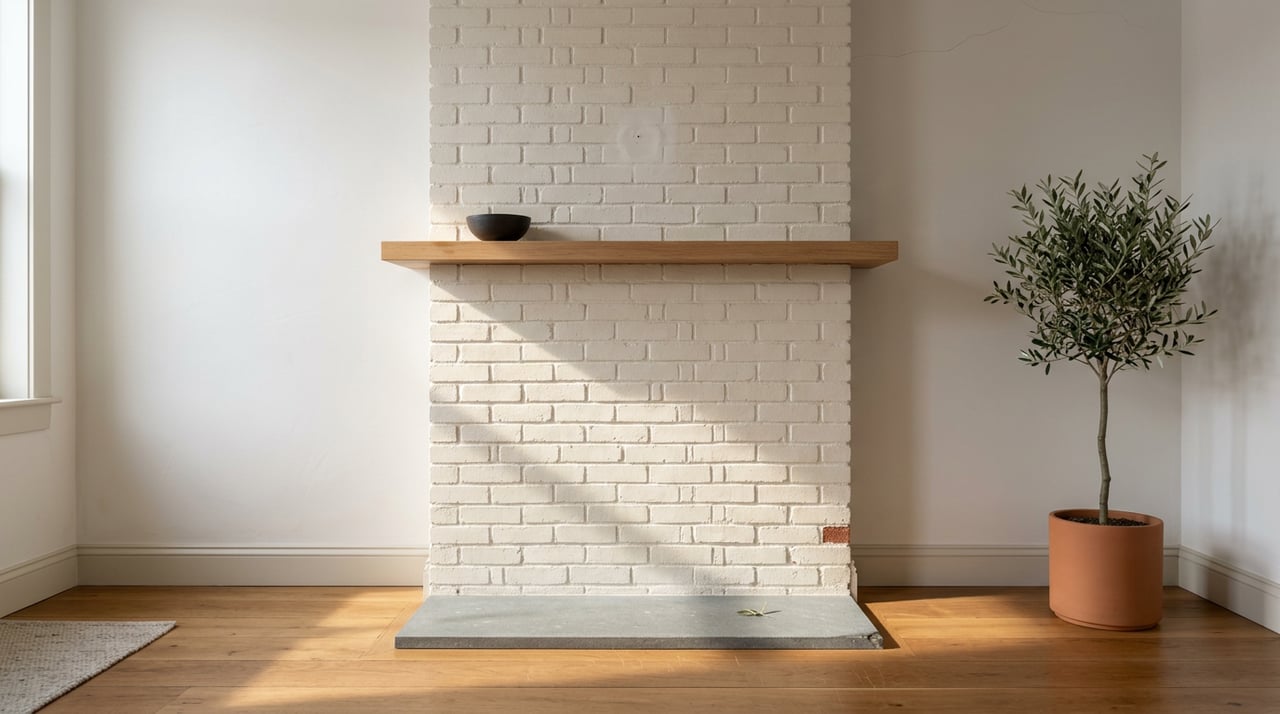
While historic brick rowhomes define the area, you will also find newer construction in select pockets. This is especially relevant if you want a more modern layout, newer systems, or less maintenance.
One example is Innovator Village on Washington Avenue, which has been described as including townhomes, condos, duplexes, quadplexes, rental apartments, and ground-floor retail. In practical terms, that means Graduate Hospital can appeal to buyers who love classic blocks as well as buyers who want newer finishes and a more contemporary floor plan.
Everyday Style of Living Here
Graduate Hospital is one of those neighborhoods where day-to-day routines can feel simple. You can often handle a lot of your week on foot, and that shapes the lifestyle as much as the housing does.
Walkability Shapes the Neighborhood
According to Visit Philadelphia, the neighborhood is highly walkable and parking can be limited. That is worth knowing up front. If you prefer a car-light routine, that can be a plus. If you drive daily, parking logistics are something you will want to think through block by block.
The area is also served by transit. SEPTA notes that Graduate Hospital is accessible via the B line to Lombard-South and bus routes 7, 12, and 40. For many residents, that adds flexibility for commuting and getting around the city without relying on a car for every trip.
South Street West Adds Energy
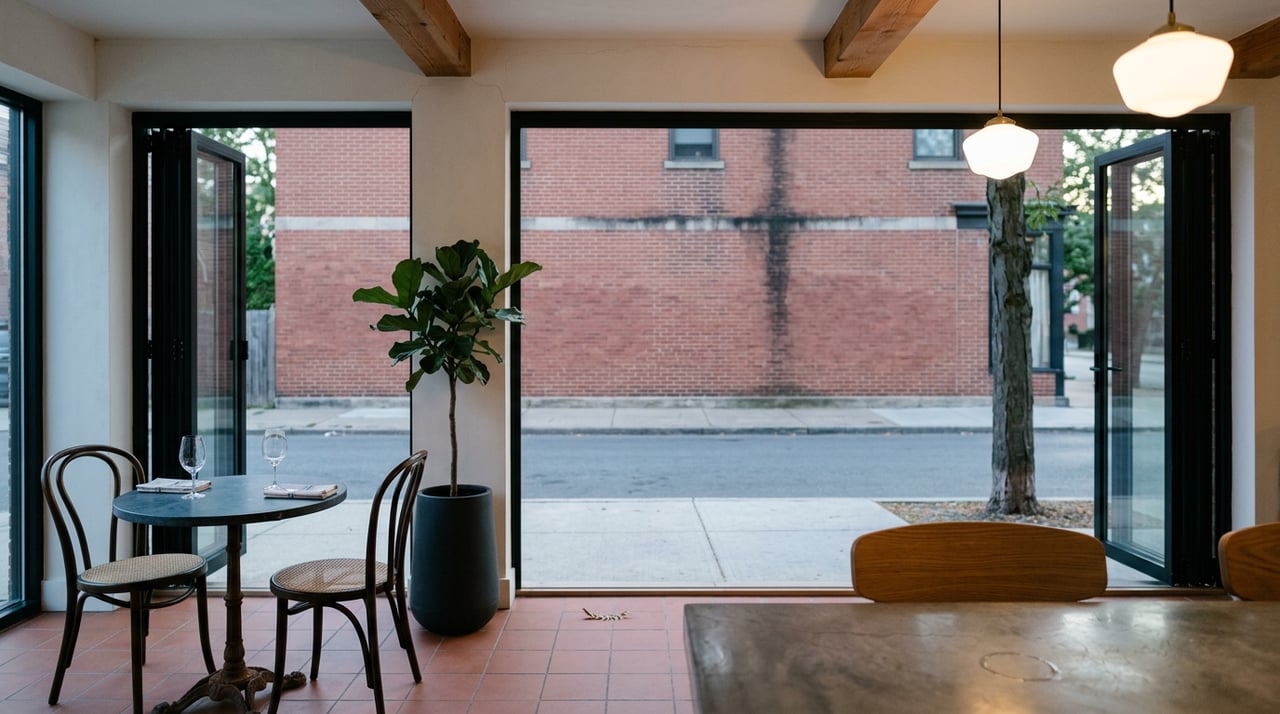
For dining, shopping, and casual errands, South Street West is a major lifestyle anchor. Visit Philadelphia describes the corridor as a mix of boutiques, vintage furniture, small galleries, and food options throughout the day.
The neighborhood guide points to spots like Ants Pants Cafe, Miles Table, Breezy’s Deli and Market, Falafel Time, Thai Square Restaurant, The Sidecar Bar & Grille, Illata, L’Anima, Kei Sushi, and Rex at the Royal. The big takeaway is not just the list itself. It is that the neighborhood supports a strong local routine, whether you want a quick breakfast, a dinner out, or somewhere casual to meet friends.
Outdoor Routines Are Easy Here
In a dense city neighborhood, good outdoor access changes how a place feels. Graduate Hospital benefits from several well-used parks and one of Philadelphia’s signature riverfront trail systems.
Schuylkill Banks Is a Major Draw
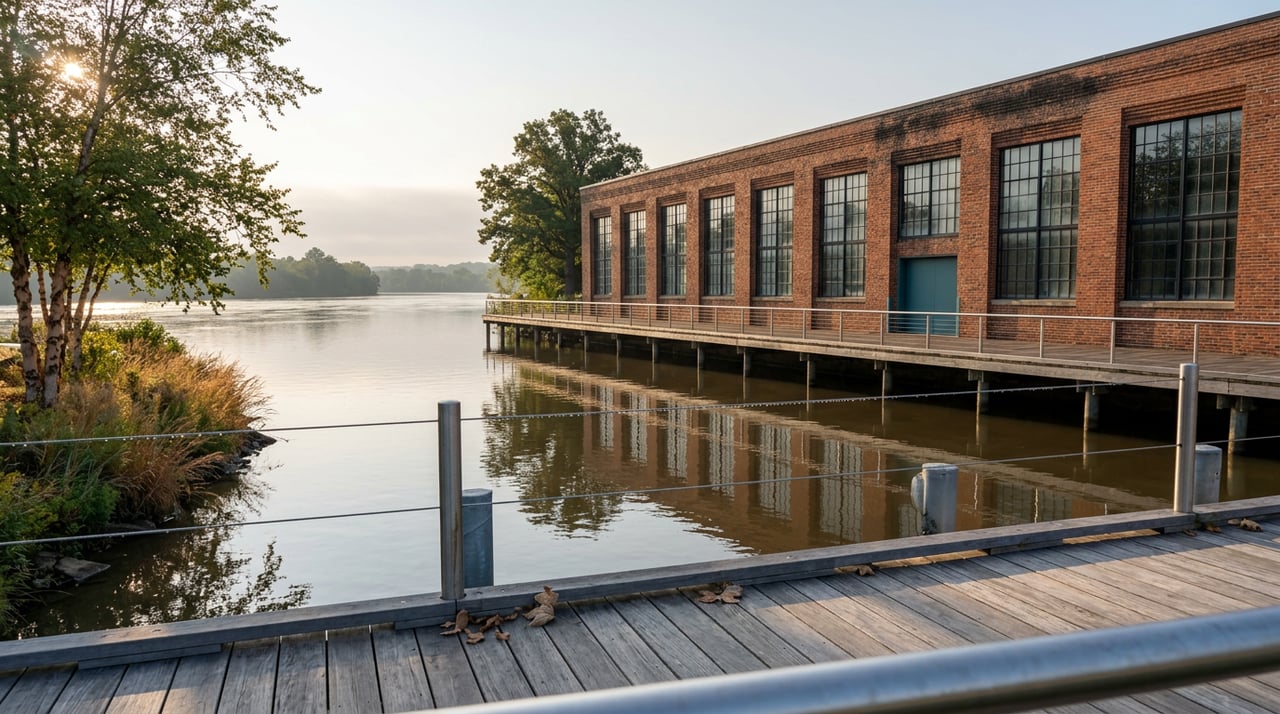
The Schuylkill Banks Boardwalk and Center City trail segment are some of the neighborhood’s biggest outdoor assets. Schuylkill Banks says the trail transformed former industrial land into a recreation and commuter corridor and now averages more than 37,000 user trips per week.
Visit Philadelphia notes that the boardwalk is a 2,000-foot promenade with skyline views, and the South Street Bridge is a popular crossing point and photo stop. If you like running, biking, walking, or just having easy access to the river, this is a meaningful part of Graduate Hospital living.
Parks Support Daily Neighborhood Life
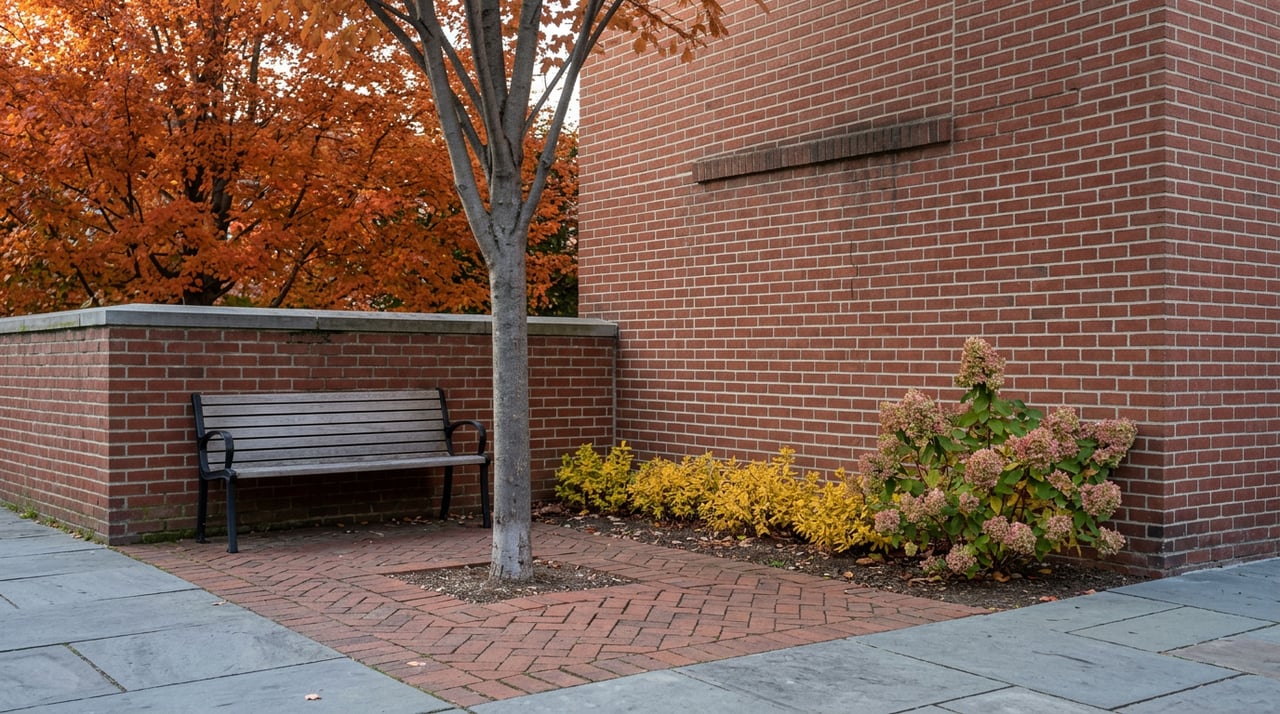
For local green space, Carpenter Green Park at 17th and Carpenter is described by SOSNA as an urban oasis in the heart of the neighborhood. Completed in 2020, it includes walkways, a sprayground, trees, and planting areas supported by ongoing volunteer stewardship.
Visit Philadelphia also points to Grays Ferry Triangle and Julian Abele Park as neighborhood green spaces. These smaller parks may not dominate the map, but in city living, nearby places to pause, play, or meet up can make a real difference.
Recreation Options Add Flexibility
The Marian Anderson Recreation Center is another important amenity nearby. The city describes the 3.4-acre site as including playground equipment, a ball field, a pool, basketball courts, and an indoor building with a gymnasium, boxing gym, dojo, computer room, and multipurpose rooms.
For buyers thinking about long-term livability, that kind of access matters. It supports a neighborhood routine that can include playground time, sports, swimming, and community programming without needing to travel far.
Who Graduate Hospital Often Fits Best
No neighborhood is one-size-fits-all, but Graduate Hospital tends to appeal to buyers who want balance. It offers urban access and neighborhood scale in the same package.
For many professionals and couples, the draw is simple: you get a walkable location, straightforward transit access, and a residential streetscape anchored by rowhomes. For many young families, parks, recreation space, and trail access add another layer of practicality.
If you are deciding between Graduate Hospital and another nearby neighborhood, it can help to think about your daily priorities. Do you want historic housing character? Easy coffee-and-dinner options? A realistic car-light setup? Access to parks and river trails? Graduate Hospital often checks several of those boxes at once.
What Buyers Should Notice Block by Block
Even in a neighborhood with a clear overall identity, the details matter. In Graduate Hospital, your experience can shift depending on the block, the street width, the housing type, and how close you are to major corridors like South Street, Broad Street, Washington Avenue, or the river.
That is especially true if you are comparing a classic brick rowhome with a renovated property or newer infill construction. The right fit depends on how you weigh layout, maintenance, parking considerations, and the kind of block feel you want day to day.
Working with a team that understands Philadelphia rowhomes, newer construction, and neighborhood-level tradeoffs can make that comparison much easier. If you are thinking about buying or selling in Graduate Hospital, The Stawasz Group can help you evaluate your options with clear, practical guidance.
FAQs
What types of homes are common in Graduate Hospital, Philadelphia?
- Most of the neighborhood is defined by historic brick rowhomes, with newer townhome and condo-style infill in select pockets, especially near Washington Avenue.
Is Graduate Hospital, Philadelphia walkable for daily life?
- Yes. The neighborhood is widely described as walkable, with local dining, shopping, parks, transit access, and trail connections that can support a car-light routine.
What outdoor amenities are near Graduate Hospital, Philadelphia?
- Key outdoor amenities include the Schuylkill Banks Boardwalk, the Schuylkill River Trail, Carpenter Green Park, Grays Ferry Triangle, Julian Abele Park, and the Marian Anderson Recreation Center.
How do you get around Graduate Hospital, Philadelphia without a car?
- SEPTA says the neighborhood is accessible via the B line at Lombard-South and bus routes 7, 12, and 40, which makes transit a realistic option for many residents.
Who is Graduate Hospital, Philadelphia a good fit for?
- Based on its housing mix, walkability, transit access, parks, and trail amenities, the neighborhood often appeals to professionals, couples, and young families looking for urban convenience with a residential feel.